Podcast: Play in new window | Download | Embed
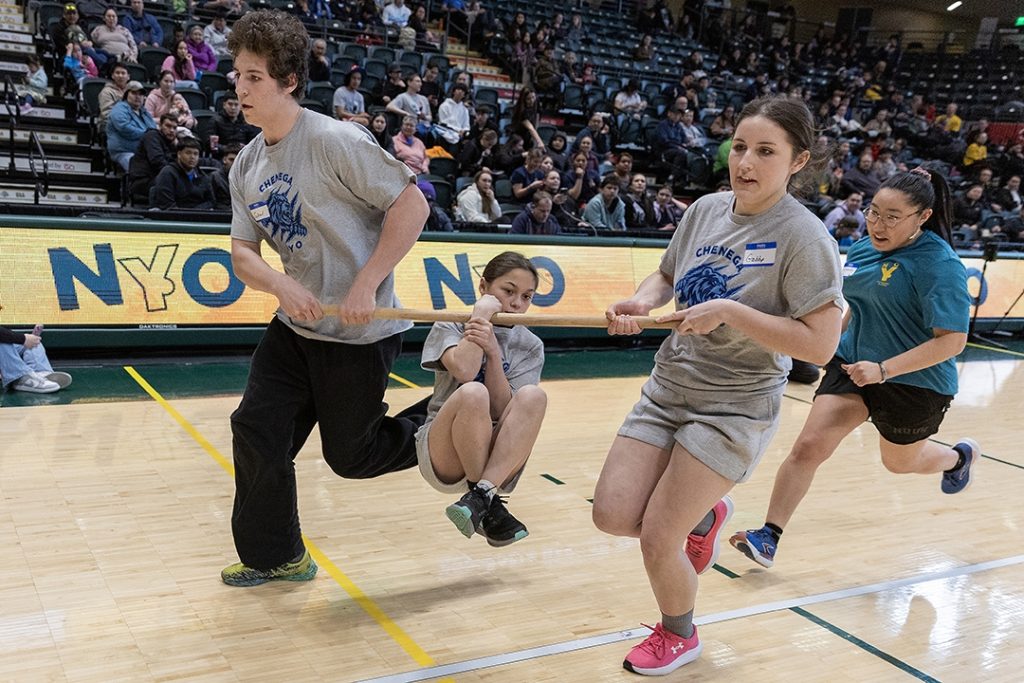
Opening ceremonies for the statewide Native Youth Olympic (NYO) games got underway at the Alaska Airlines Center in Anchorage, Alaska Thursday.
This year’s NYO coordinator, Brittany Vo, says it is impressive to watch the procession of 400 athletes from across Alaska enter the stadium, as they carry homemade banners that represent their schools and communities.
“It’s just so exciting to have so much representation in one room, which I think is really powerful to see how one event can bring us all together.”
Over the next two days, thousands of people will come to watch traditional Native games like the Alaskan High Kick, the Seal Hop, and Stick Pull – tests of skill, strength, and endurance, Vo says, that are rooted in survival off the land.
“It’s really important to me, because as a youth, I didn’t always feel like pride in my culture. And the fact that these students come and they’re proud to do these games is really important for self-esteem and confidence.”
This year marks the 40th year that the Cook Inlet Tribal Council has hosted NYO. Since then, the games have continued to grow.
Today, teams from more than 100 Alaska communities take part.
 The deadline to comment has passed on a Trump administration proposal that could roll back a two-decade ban on oil and gas drilling around a UNESCO World Heritage Site.
Within seven days, more than 70,000 comments were gathered by the Bureau of Land Management (BLM).
KJZZ’s Gabriel Pietrorazio has more on potential changes for public lands surrounding Chaco Canyon.
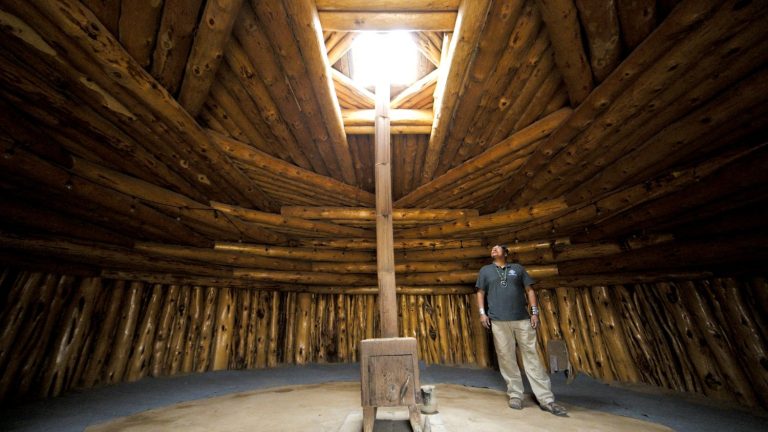
The BLM wants to repeal a Biden-era 10-mile buffer zone of more than 336,000 acres.
Rich in oil and gas, some 40,000 wells already dot the Greater Chaco Landscape.
“What we are fighting for is the last, right now, unleased federal lands.”
Marissa Naranjo is from the Santa Clara Pueblo. She is with the New Mexico nonprofit Sovereign Energy.
“Even when tribes lead, engage and help shape the process over many years, you know at this point, there’s no guarantee that those outcomes will be respected, as we’re seeing by the seven-day public comment. It could set the tone for how sacred sites and public lands are treated nationwide.”
The mineral leasing withdrawal in 2023 followed a 150-day comment period.
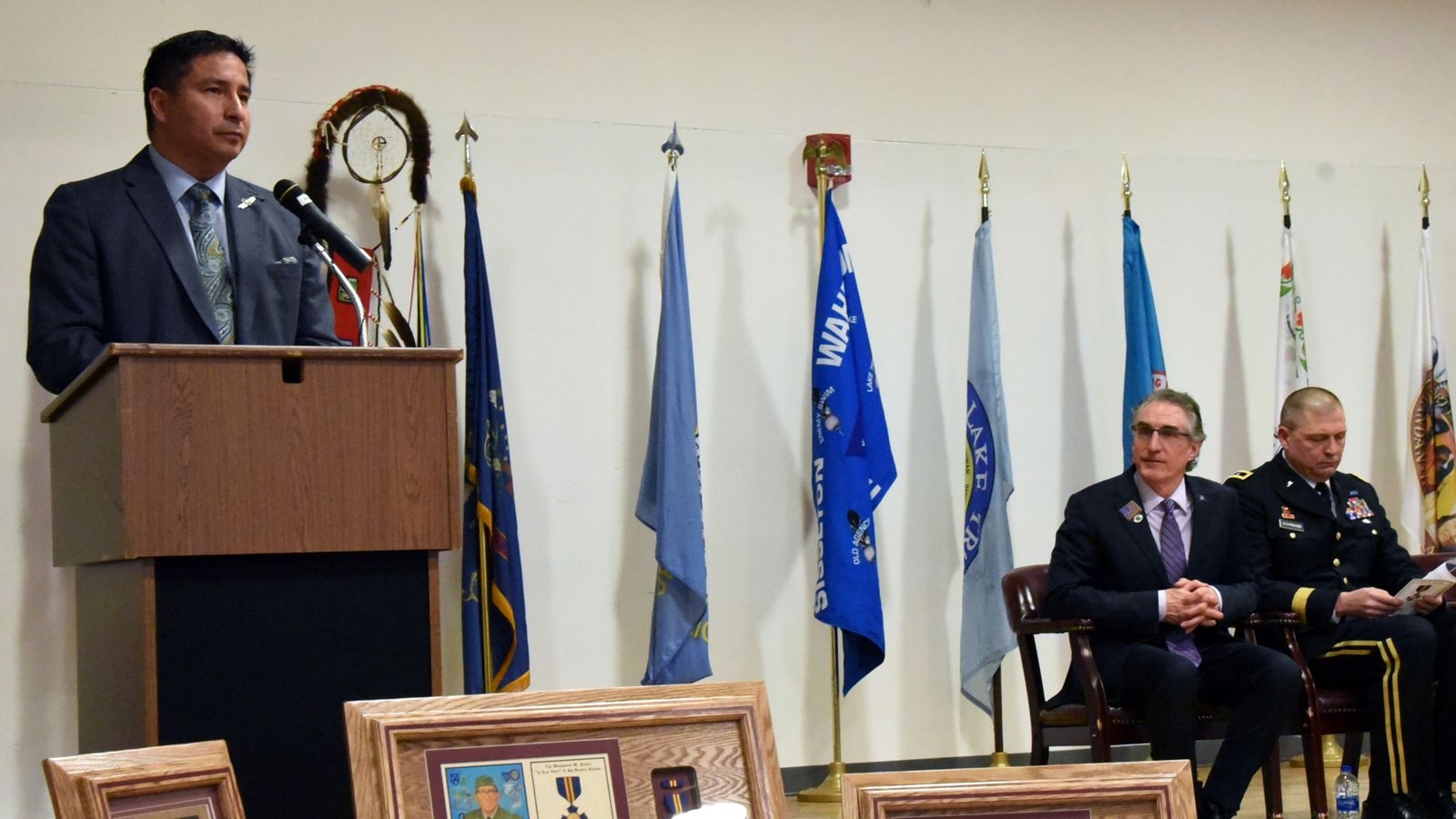 After a year of working for the U.S. Department of the Interior, Scott Davis has stepped down from his role as deputy assistant secretary of Indian Affairs (ASIA).
As Brian Bull of Buffalo’s Fire reports, Davis is now back in North Dakota and the private sector.
Davis is a citizen of the Standing Rock Sioux Tribe with Turtle Mountain Band of Chippewa heritage. He has long been a familiar face across North Dakota, having served as the executive director of the state’s Indian Affairs Commission from 2009 to 2021.
It was in that capacity that he became friends with Doug Burgum, then governor of North Dakota. When Burgum was confirmed as the 55th U.S. Secretary of the Interior last year, he tapped Davis to join his staff.
Davis confesses he was hesitant.
“You know when things started getting really busy, and not enough people power in the ASIA Hallway, I said I would help him get things set up, and whether that was a year, two years. But it wasn’t solely intended by no means, it was never my goal to be working in government, but sometimes that’s where the Creator puts you.”
Davis said he is proud to have met with 400 tribes and addressed red tape, natural resources development, and probate while in federal office.
He will go back to his consulting and lobbying firm, Tatanka Consulting, which he founded in 2023. He will also spend more time with his family.
Among the groups praising Davis’ tenure are the National Congress of American Indians (NCAI) and the InterTribal Buffalo Council.
Get National Native News delivered to your inbox daily. Sign up for our daily newsletter today.
Download our NV1 Android or iOs App for breaking news alerts.
Check out today’s Native America Calling episode