Podcast: Play in new window | Download | Embed
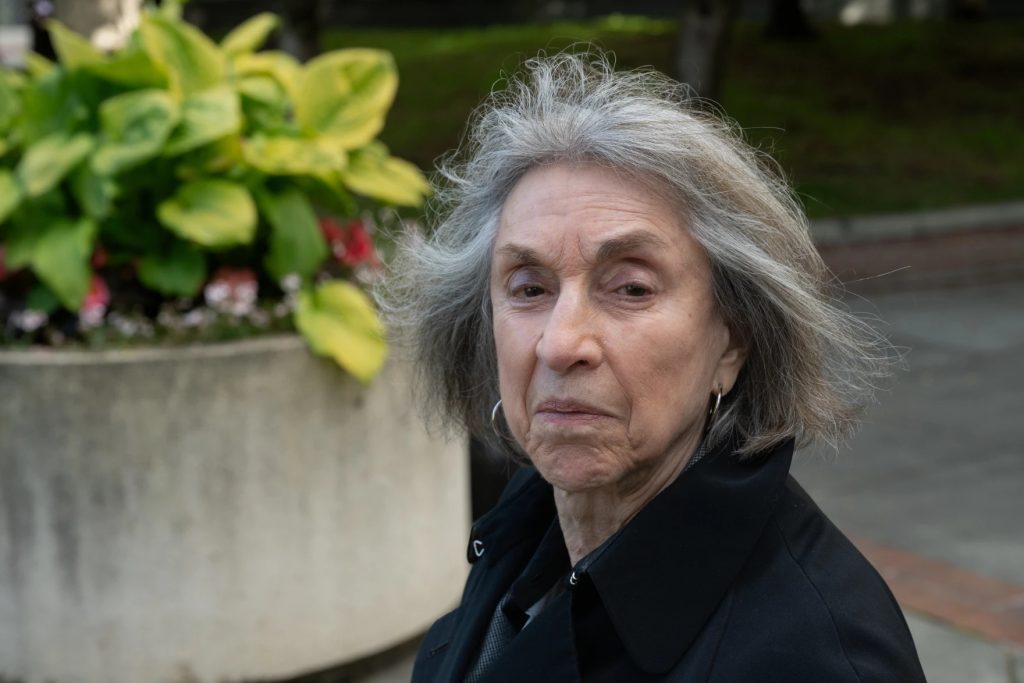
Photo: Marcia Lowry outside the federal courthouse in Anchorage on September 8, 2025. She was lead attorney in the class action lawsuit against the Alaska Office of Children’s Services. (Matt Faubion / Alaska Public Media)
Judge Sharon Gleason dismissed a federal class-action lawsuit filed against the Alaska Office of Children’s Services (OCS) Tuesday.
The lawsuit was brought by a national nonprofit working for foster care reforms.
Attorneys for the organization alleged Alaska foster children are at risk of harm because of systemic problems that violated federal laws, including the Americans with Disabilities Act and federal child welfare protections. They pointed to high caseloads for caseworkers and an inadequate hiring and training process.
About two thirds of kids in out-of-home care in the state are Alaska Native, but Gleason wrote that the attorneys did not prove that any of the foster youth represented were actually harmed.
Gleason also questioned the reliability of the evidence presented.
Marcia Lowry is attorney and executive director of A Better Childhood, which brought the suit. She calls the dismissal “quite disappointing”.
“We did do a trial that involved a lot of evidence that, I think, was largely undisputed about how high the caseloads are in Alaska, about the lack of placement resources for children, about the failure to basically make attempts to remedy that situation.”
She says a lot of children in Alaska are not getting benefits they are entitled to under federal law.
Lowry says A Better Childhood is not sure yet of its next steps but is considering an appeal.
“We have seen dysfunctional child welfare systems really, really change and provide good services to kids, but we have seen that only as a result of litigation.”
OCS declined an interview for this story. In a written statement they said they are pleased with the court’s decision and the verdict is an opportunity for the office to continue advancing its work.
This story was provided by Alaska Public Media’s Rachel Cassandra
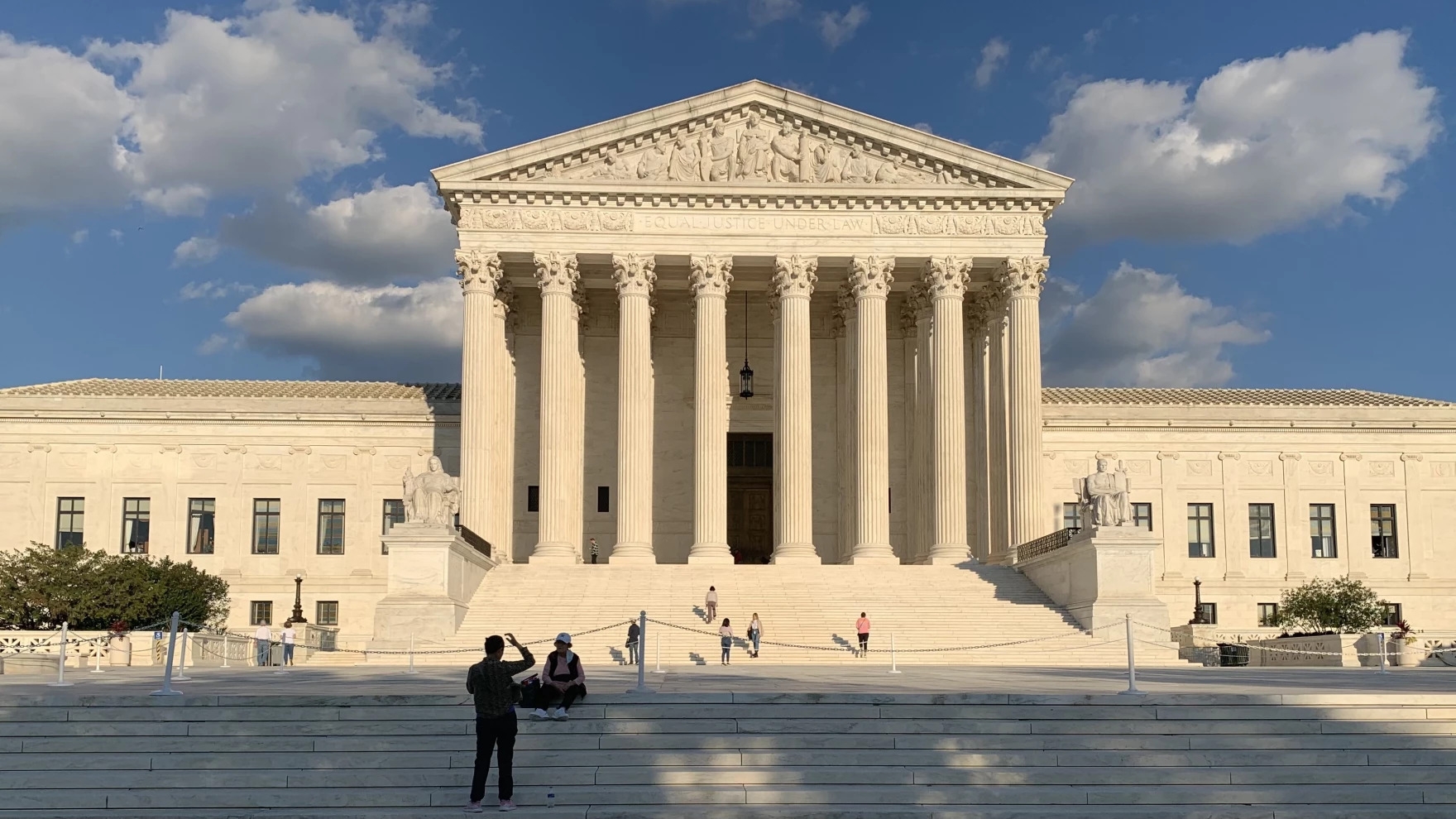
The U.S. Supreme Court building in Washington, D.C. (Photo: Gabriel Pietrorazio)
The U.S. Supreme Court last week spent two hours hearing a landmark case that could upend birthright citizenship.
A 19th century ruling on the citizenry of tribal members was at the heart of the Trump administration’s defense.
KJZZ’s Gabriel Pietrorazio has this report.
This was the exchange during oral arguments when U.S. Supreme Court Justice Neil Gorsuch pressed Solicitor General John Sauer, who presented the government’s case.
Sauer: “Yes, yes, so a tribal Indian for example gives up allegiance to…”
Justice Gorsuch: “Are tribal members born today birthright citizens?”
Sauer: “Uh, I think so – on our test, yes – if they’re lawfully domiciled here. I have to think that through, but that’s my reaction.”
Gorsuch: “I’ll take the yes, that’s alright.”
In an 1884 majority decision, the justices ruled John Elk, a Winnebago man living in Omaha, was not a U.S. citizen in spite of the 14th Amendment – codifying birthright citizenship.
“My mother was probably not a United States citizen when she was born in 1923 in Oklahoma.”
Bob Miller, who is Eastern Shawnee and with Arizona State University’s Indian Legal Clinic, has been teaching this very precedent of Elk v. Wilkins for three decades now.
“I disagree completely with the argument that that’s analogous to undocumented immigrants and them having children here.”
Get National Native News delivered to your inbox daily. Sign up for our daily newsletter today.
Download our NV1 Android or iOs App for breaking news alerts.
Check out today’s Native America Calling episode
Monday, April 6, 2026 – What the ‘conversion therapy’ court decision means for LGBTQ2+ protections


Leave a Reply