Podcast: Play in new window | Download | Embed
Leaders of the North Slope village of Nuiqsut sued the U.S. Department of Interior on January 28, for canceling a key subsistence protection for a development project, as The Alaska Desk’s Alena Naiden from our flagship station KNBA reports.
About a year ago, the U.S. Bureau of Land Management issued an agreement with Nuiqsut leaders that prohibited oil and gas development around Teshekpuk Lake, which is located in the northeastern corner of the National Petroleum Reserve-Alaska.
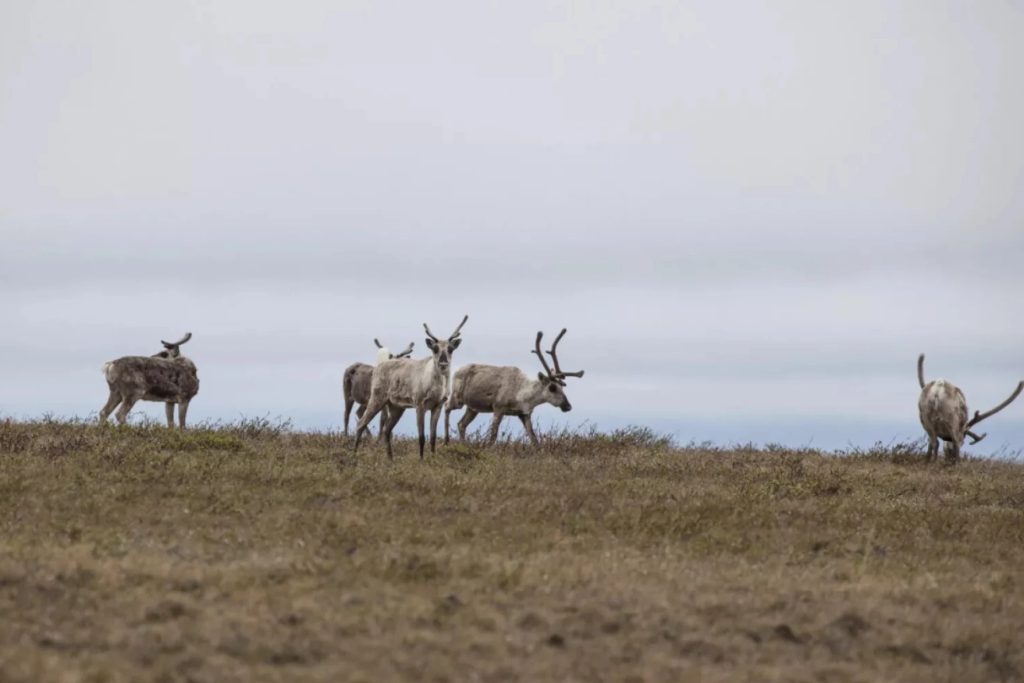
The goal was to mitigate the harm that the ConocoPhillips’ Willow project would have on caribou – a crucial subsistence resource for Nuiqsut residents. But last month, the Department of the Interior, which oversees BLM, canceled that agreement, saying it was improperly issued in the first place.
In turn, Nuiqsut’s leadership filed the lawsuit in the U.S. District Court for the District of Columbia, arguing that the cancellation was illegal.
“We’re fighting to protect the area and think about the caribou.”
George Tuukaq Sielak is the president of Nuiqsut’s Kuukpik Corporation. He says the cancellation was disappointing and damaged the trust of Nuiqsut residents.
“By pulling that right of way off, I mean, it’s just like throwing us away.”
Department of Interior officials declined to comment, citing the pending litigation.
When BLM approved the controversial Willow project in 2023, one condition was mitigating the harm on Teshekpuk Lake – a key habitat for the Teshekpuk Caribou Herd.
And BLM signed a right-of-way agreement with Nuiqsut to meet that condition. That conservation measure was backed by the law that directs the Department of Interior to conduct oil and gas leasing in the reserve.
The law also requires “maximum protection” for Teshekpuk Lake and other significant subsistence areas.
M Sielak, with Kuupik Corporation, says that Nuiqsut residents are careful when they consider development projects so close to their home, but the promise of additional protections for caribou helped more residents to get on board with Willow.
“We will support development in our area, as long as we work together to balance, such as what we’re doing here with a right of way.”
But the Department of the Interior said that the federal law does not authorize such conservation measures when it canceled the right-of-way agreement.
The department also said in its cancellation letter that right-of-way agreements are usually used to allow oil and gas activities, not prohibit them, and that the primary goal of the law regulating the reserve is to support oil and gas leasing, while subsistence protections come second.
The department indicated that they expect to hold lease sales this winter, which may include the area around Teshekpuk lake.
Nuiqsut leadership say they might consider legal avenues – like seeking injunctive relief – to protect the area, but no decision has been made yet.
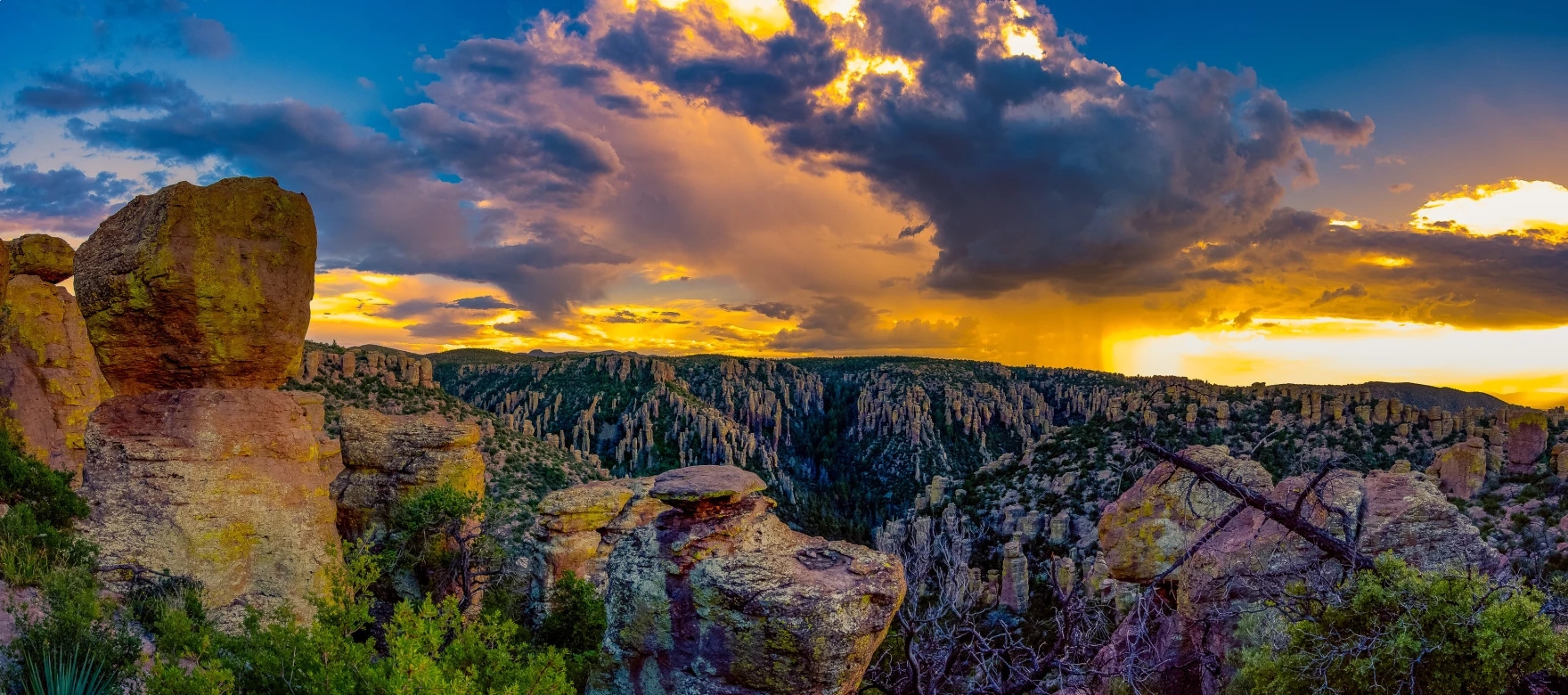
A moonson sunset at Massai Point inside Chiricahua National Monument in southeastern Arizona. (Photo: Ron Stewart / National Park Service)
A bipartisan bill on Capitol Hill is looking to turn one of Arizona’s federal monuments into the state’s fourth national park behind Saguaro, the Petrified Forest, and the Grand Canyon.
KJZZ’s Gabriel Pietrorazio has details.
Established in 1924 by President Calvin Coolidge, Chiricahua National Monument is known by many as the “Wonderland of Rocks”.
From Geronimo to Cochise, this land is also steeped in Apache history, something the San Carlos Apache Tribe and neighboring Mescalero Apache Tribe in New Mexico, want to see permanently protected.
The effort is being led by U.S. Sens. Mark Kelly and Ruben Gallego (D-AZ) and U.S. Rep. Juan Ciscomani (R-AZ) in the House.
If passed, Arizona would tie fourth-overall with Colorado – behind Utah, Alaska, and California – for states with the most national parks.
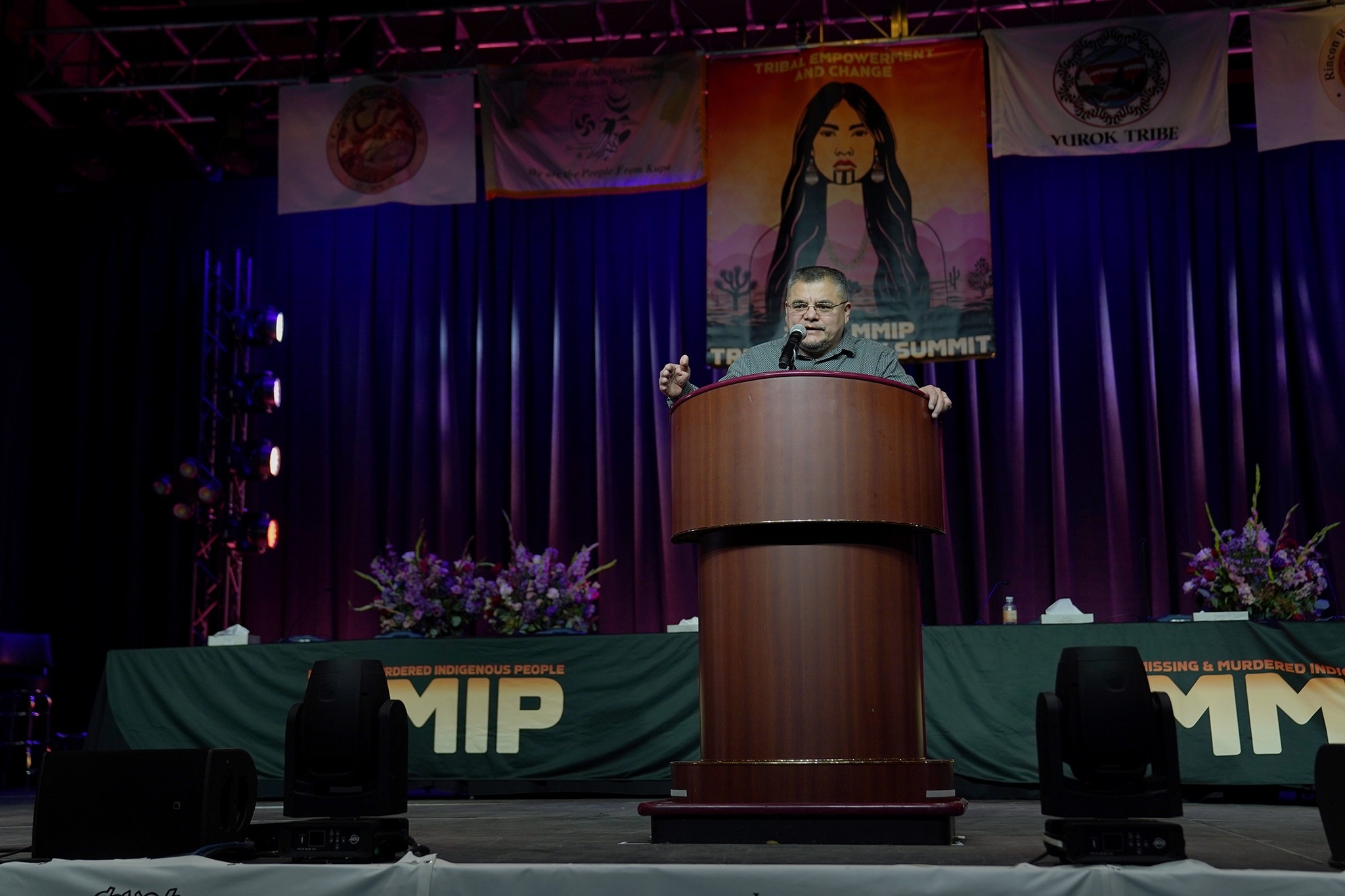
Yurok Chairman Joseph L James speaks at the 2025 MMIP Tribal Policy Summit. (Courtesy Yurok Tribe / Facebook)
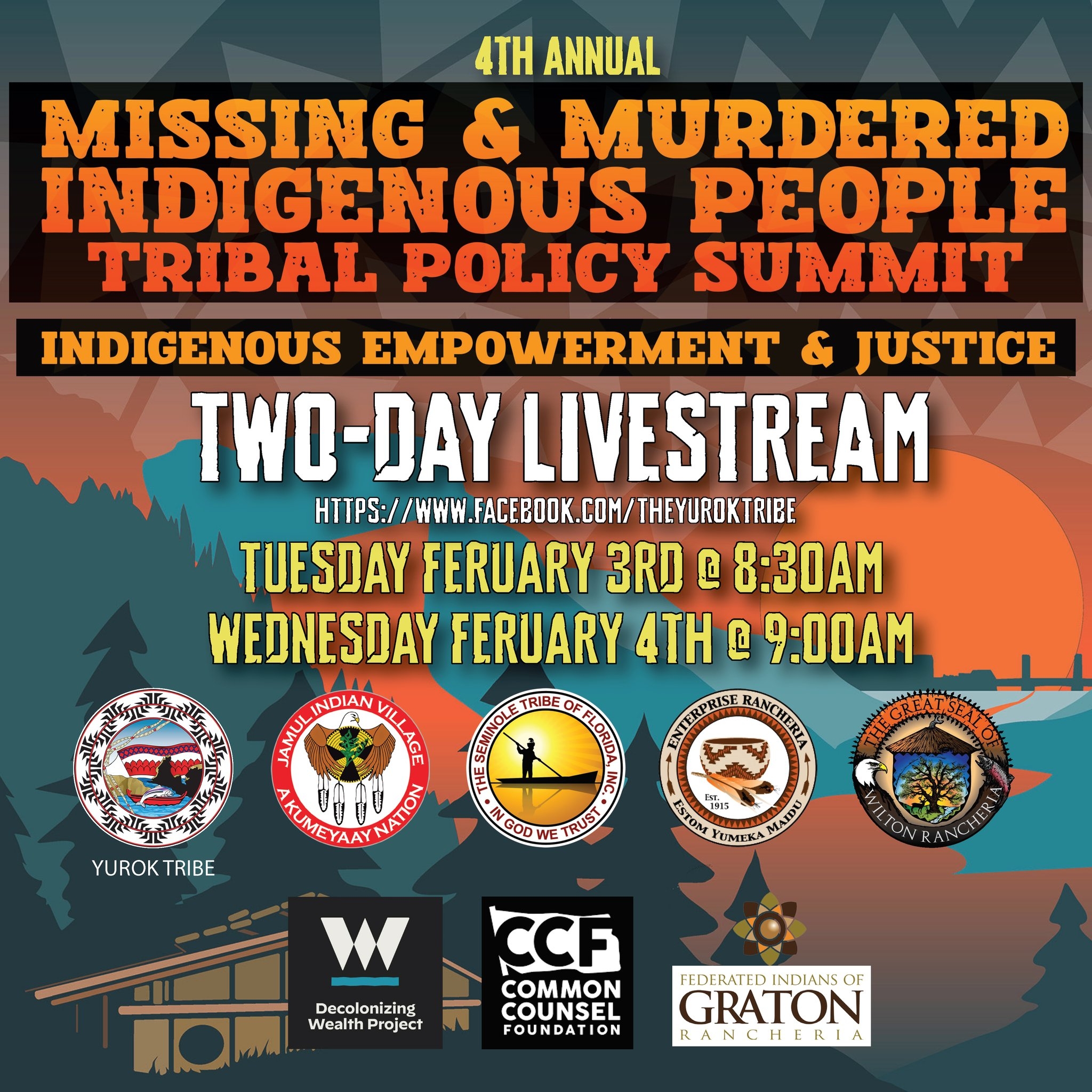
California tribes are gathering this week for the Missing and Murdered Indigenous People (MMIP) Tribal Policy Summit.
The annual summit in its fourth year and is expected to draw tribal leaders, lawmakers, advocates, and victims’ families.
The theme is justice, healing, sovereignty, and solutions to the MMIP crisis.
Two proposed pieces of legislation will be discussed: a bill to establish a MMIP Justice Program within the state justice department – and a bill to establish a Tribal Foster Care Prevention Program to prevent Indigenous children from entering the child welfare system, which advocates say is a MMIP pathway.
The event is taking place Tuesday and Wednesday at the Hard Rock Hotel and Casino Sacramento.
Get National Native News delivered to your inbox daily. Sign up for our daily newsletter today.
Download our NV1 Android or iOs App for breaking news alerts.
Check out the latest episode of Native America Calling
Monday, February 2, 2026 – Native Americans are compelled to respond to indiscriminate ICE pressure