Podcast: Play in new window | Download | Embed
For decades, Native women and other women of color were subjected to forced sterilization by the federal Bureau of Indian Affairs and the Indian Health Service.
New Mexico lawmakers introduced a memorial last week to create a truth and reconciliation commission that would conduct a study into the history, and continuing impacts of this abuse.
KUNM’s Jeanette DeDios (Jicarilla Apache and Diné) has this report.
Senate memorial 14 includes research dating to the 1970s which shows between 25%-50% of Indigenous women ere sterilized, with some of the highest incidents occurring in New Mexico.
The memorial would develop a plan to create a state truth and reconciliation commission to research and find all cases of sterilization in the state, gather survivor testimony, and review and recommend educational policy.
Keely Badger is a human rights advocate who wrote her dissertation on the forced sterilization of Native women.
Lawmakers asked her about challenges finding and accessing records.
“I do think that the requests have to come from an official state body, official agencies, to get to the heart of this information. It is going to be more than one person’s ability to accumulate this information.”
She says this may have been intentional by the states.
“At a national level, they have sealed some of these records for a reason, in the same way that a lot of the information about the boarding school system was very challenging; took decades and decades of research to accumulate to get to a point where we could have a national apology.
“I believe that this is one of those situations where it is going to require real political will and advocacy from civil society groups to get to the real heart of this from a national perspective.”
If the memorial goes into law, New Mexico would be the first state in the nation to formally investigate and acknowledge these violations.
The memorial will head to the senate floor for a vote and if passed, will go to the House of Representatives.
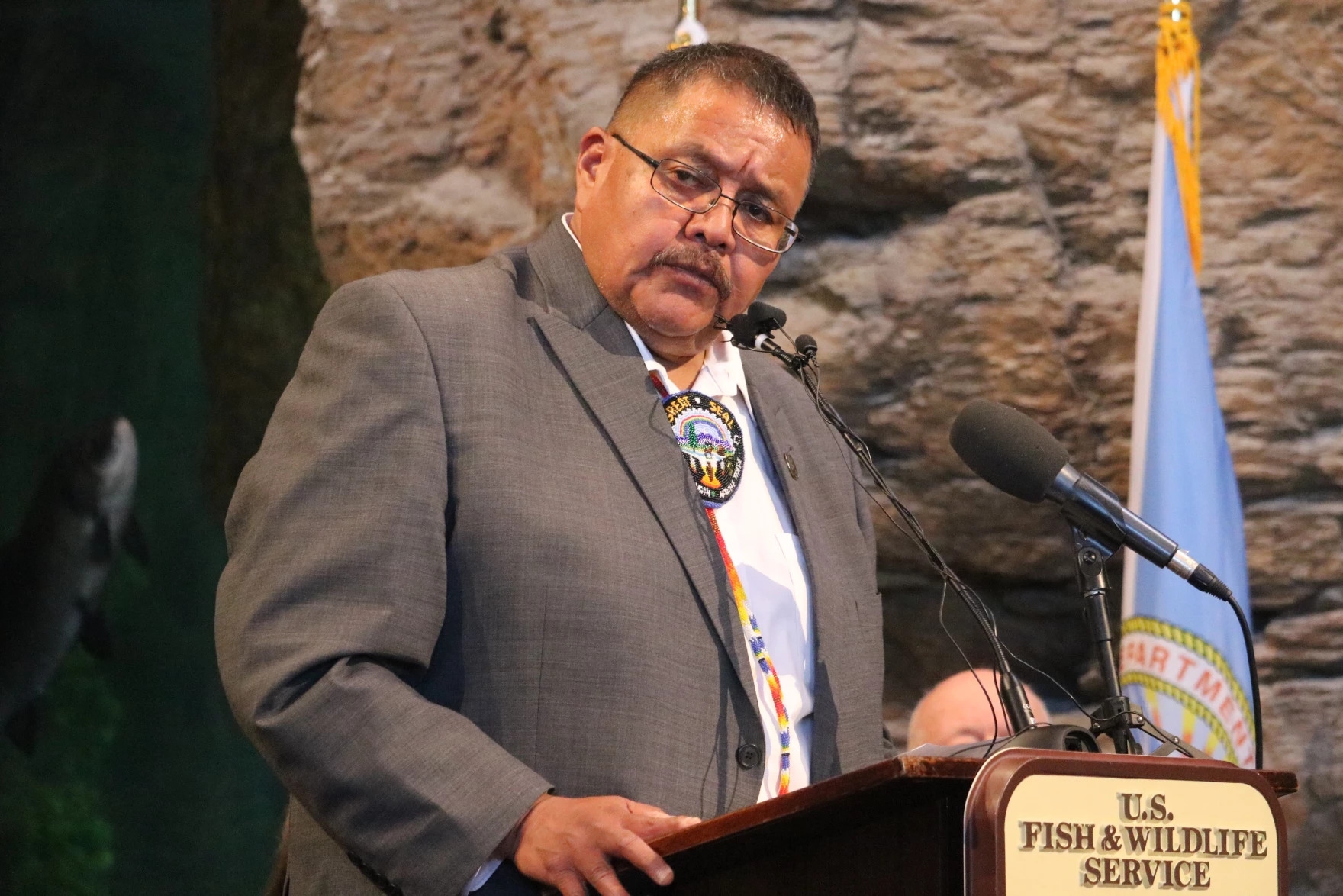
White Mountain Apache Chairman Kasey Velasquez speaks about the significance of the Apache trout in Mesa, Ariz. on September 4, 2024. (Photo: Gabriel Pietrorazio / KJZZ
Thousands of members from the White Mountain Apache Tribe went to the polls last week to vote in a primary election that resulted in the sitting chairman losing his chance at another term.
KJZZ’s Gabriel Pietrorazio reports.
In a three-way race, Chairman Kasey Velasquez earned a little over 400 votes, while his challengers both received nearly four times as much, according to the tribe’s election commission.
In the end though, longtime Whiteriver school board member Orlando Carroll got the most votes by a margin of more than 50 ballots. He will face off against Councilman Gary Alchesay in the April general election.
Also on Wednesday, the tribe announced that a special prosecutor declined to criminally charge Velasquez under tribal law for allegations of sexual harassment against the HR director.
A civil investigation by the tribe is still ongoing.
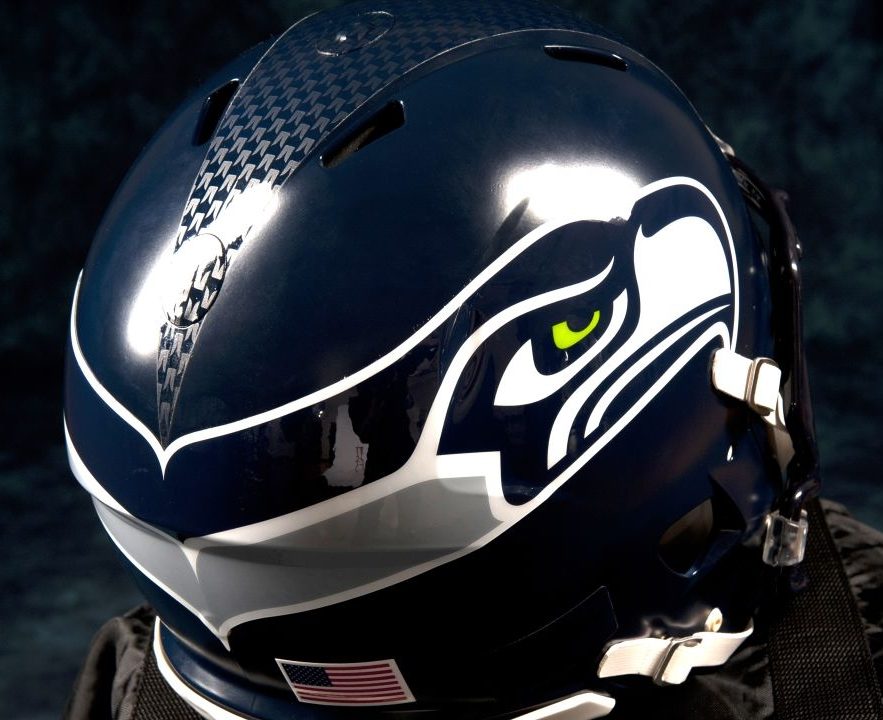 And you will be seeing lots of commemorative Seahawks swag now that Seattle’s NFL team has won Super Bowl 60.
The ‘hawks beat the New England Patriots 29-13.
The BBC reports that many Native American and First Nations people appreciate the team’s logo.
Turns out, it is based on a carved transformation mask from the Kwakwaka’wakw Nation from the late 1800s.
The logo was chosen by the Seahawk’s manager in the 1970s.
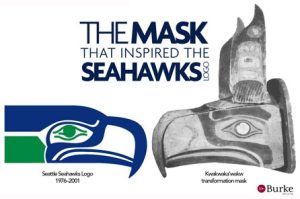 Seattle’s Burke Museum traced the origins of it to a photo of a ceremonial mask in an old art book. This led them to the Hudson Museum in Maine.
The mask was loaned to Seattle for a ceremony with tribal members and team representatives.
The BBC reports that, unlike other major league sports teams, the Seahawks logo has not sparked backlash because it respectfully borrows from Indigenous culture and does not resort to racist stereotypes.
Some Indigenous people from Canada and the U.S. say it has inspired them to learn more of their own culture.
A ceremony and parade for the Seahawks will be held in Seattle Wednesday morning.
Get National Native News delivered to your inbox daily. Sign up for our daily newsletter today.
Download our NV1 Android or iOs App for breaking news alerts.
Check out Native America Calling’s special coverage of the 2026 State of Indian Nations address