Podcast: Play in new window | Download | Embed
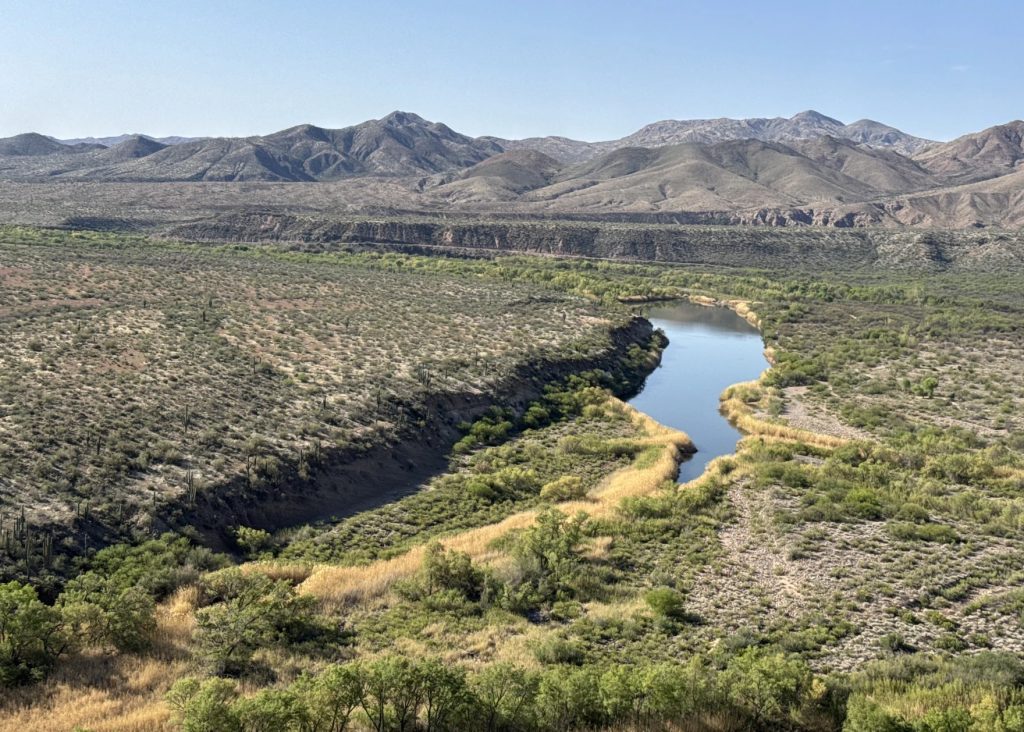
Monday is the deadline for the public to weigh in on a potential rule change by the U.S. Environmental Protection Agency (EPA) that could impact which water bodies may be protected from pollution.
As KJZZ’s Gabriel Pietrorazio reports, tribes are among those asking for a 30-day extension to comment.
The Waters of the United States (WOTUS) guides which resources fall under the federal Clean Water Act, but as written, the EPA rule would narrow the law’s enforcement with estimates suggesting that 80% of the nation’s wetlands could be at risk.
Daniel Cordalis (Diné) runs the nonprofit Tribal Water Institute.
“I think it’s a big picture concern for everyone really. I think most tribes who want clean water – or the ability to make sure that water is usable, are probably going to write in opposition to kind of what the rule stands for.”
While tribes can regulate waters on their reservations, they lack jurisdiction elsewhere.
“Tribes can’t look to the EPA anymore. And arguably, there’s a duty on the federal government to protect these tribal resources, but who’s going to do that?”
Some states are stepping up, like Colorado, New Mexico, and Arizona.
Trevor Baggiore is the water quality division director at the Arizona Department of Environmental Quality.
“We’re coordinating with our neighbors, tribes or states or country on our southern border, to make sure that we each know what each other is doing. Hopefully, this new rule will add some clarity, as long as they are able to provide scientific tools to help us determine what’s regulated and what’s not.”
Groups including the National Tribal Water Council, Association of Clean Water Administrators, and Environmental Council of the States are all asking for a 30-day extension to reply.
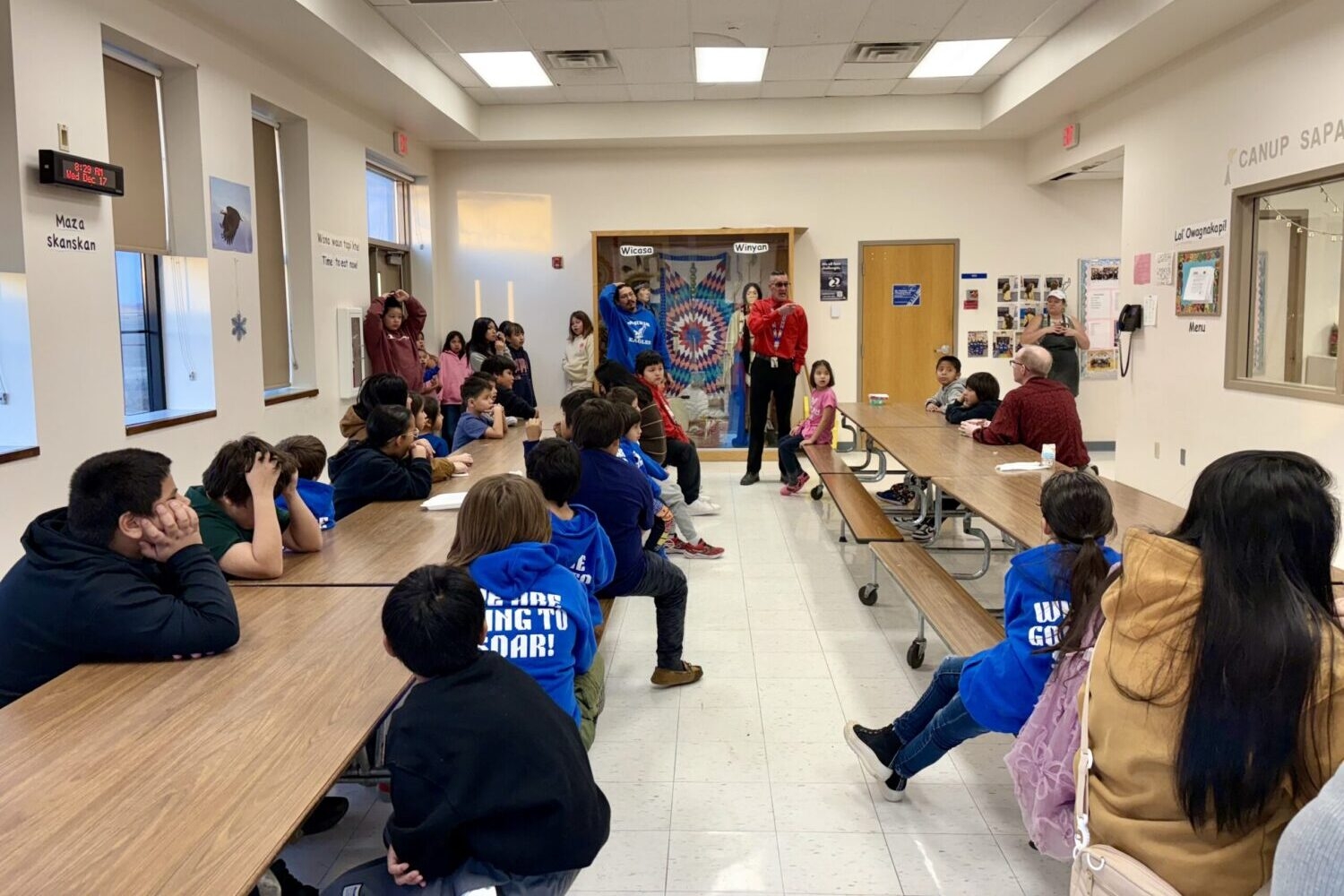
Principal Brian Brown leads morning announcements as a part of his daily routine on December 17, 2025, at Norris Elementary School in Norris, S.D. (Photo: Meghan O’Brien / South Dakota Searchlight)
Attendance at a school near the Pine Ridge and Rosebud reservations has nearly doubled in the past three years.
School leaders say they are engaging one-on-one with students and families.
They also are implementing Lakota language and cultural programming.
South Dakota Searchlight’s Meghan O’Brien reports.
“I’ve been waiting all morning for you…”
This is a typical morning at Norris Elementary, where most of the students are Native American.
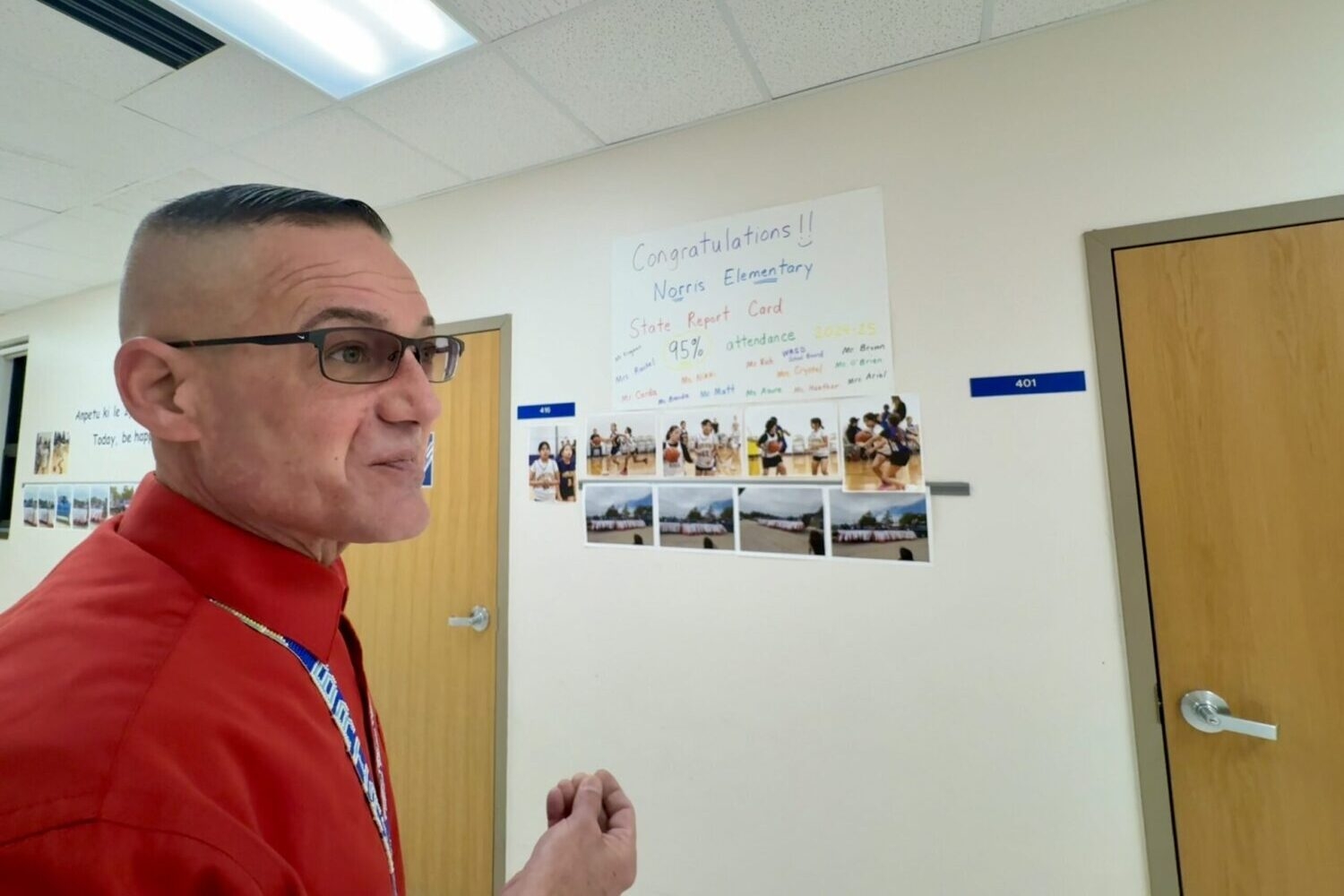
Principal Brian Brown walks the halls on December 17, 2025, and discusses a sign that celebrates Norris Elementary’s attendance rate. (Photo: Meghan O’Brien / South Dakota Searchlight)
Principal Brian Brown greets students and staff at the cafeteria tables as breakfast is served.
Brown also asks teachers who is missing. It’s a way of getting ahead of the problem, he says.
When students are not at school, he makes phone calls and home visits.
Just three years ago, barely half the students came to school regularly. Now, the school’s attendance rate is above 90%. That is higher than the state average.
It’s a source of pride for Brown, who took over as principal in 2022.
“I was very happy. I was very pleased, but more proud of the kids and the parents for their support and believing in Norris.”
The leader of South Dakota’s Education Department sees the success at Norris.
The leadership and cultural engagement are important parts of that, says Joseph Graves.
“So, now we want to see what kind of results this produces. We have the attendance. We have the drops in chronic absenteeism. Now we want to see what’s gonna happen with those proficiency rates and the graduation rates.”
The school is on a gravel road about a half-hour from other schools in the White River School District. Its isolation makes it difficult to hire and recruit teachers.
In a small community, it takes everyone to keep students involved, Brown says. Some teachers have multiple grade levels in one classroom. The school’s head custodian and office administrator are also bus drivers.
Brown steps in at lunchtime to help serve food.
He also finds ways to make Lakota culture and language an important part of every student’s day. Students sing every morning.
Brown teaches Lakota studies to each grade once a week, and started the school’s first drum group: the Black Pipe Singers.
Get National Native News delivered to your inbox daily. Sign up for our daily newsletter today.
Download our NV1 Android or iOs App for breaking news alerts.