Podcast: Play in new window | Download | Embed
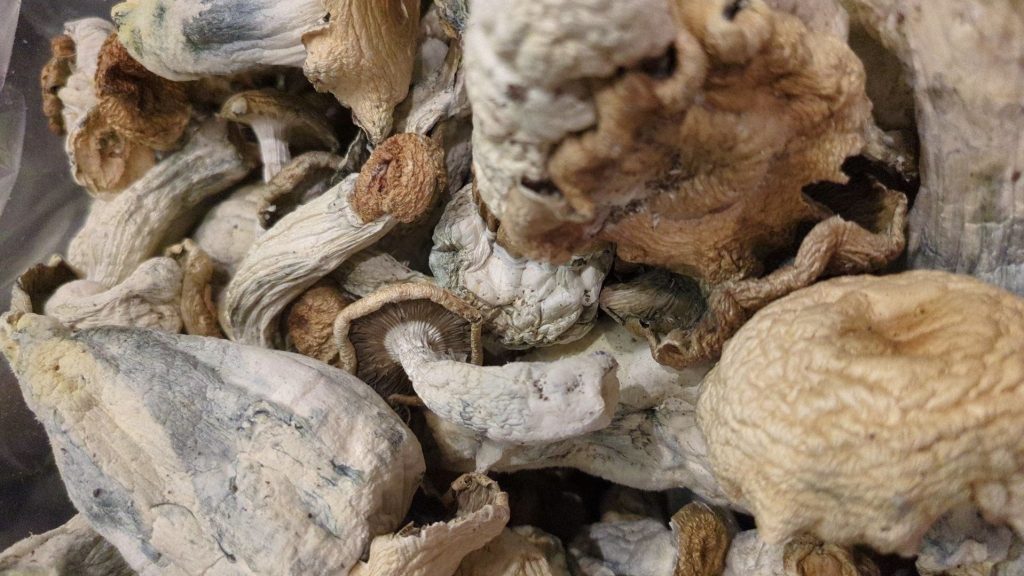
A state task force in Alaska released recommendations last month for making psychedelic therapy available, if treatments are approved at the federal level.
Alaska Public Media’s Rachel Cassandra has the story.
The Alaska state legislature established a task force in 2024 to examine psychedelic therapies, which hold a lot of promise but are still considered experimental.
Jennie Armstrong is a former state representative who was on the task force. She says the group tackled questions like how to make therapy accessible and how to offer safe and culturally competent care.
“The whole point of the task force was to bring up these types of questions so we’re not scratching our heads when this becomes medicalized and scrambling and being reactive, but we’re actually being proactive.”
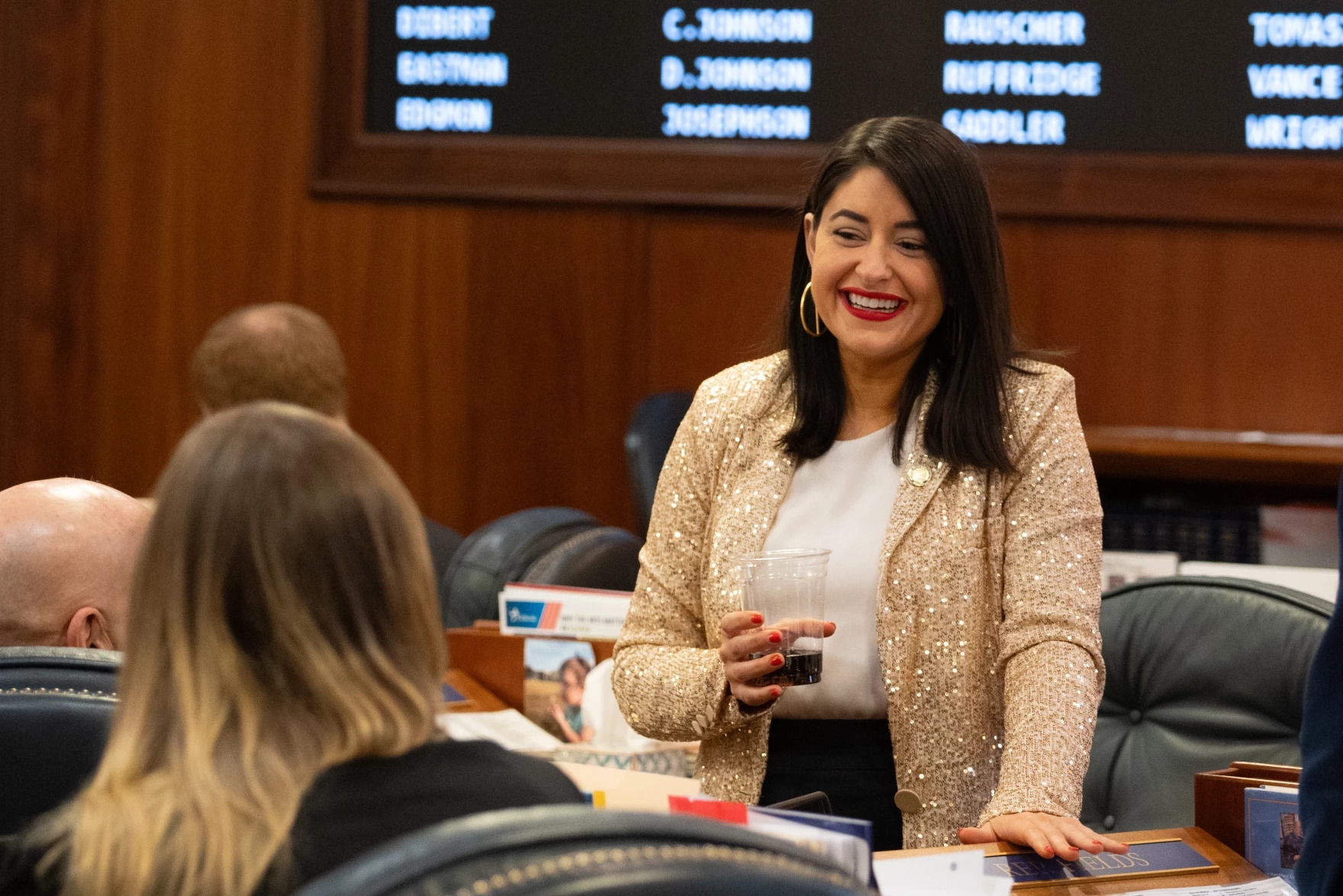 The task force did not take a stance on whether psychedelic therapies are good or bad, but recommends Alaska incorporate them as they are legalized nationally.
None of the task force’s recommendations are binding, but Armstrong says they are meant to guide legislators on the types of laws the state would need to offer access.
Armstrong says the task force recommends incorporating a training program for therapists and healthcare providers who want to guide therapy.
“Everyone needs to go through this type of training, because just being a doctor doesn’t make you qualified to facilitate this type of care.”
And she says the aim is to make training accessible so a diversity of people can become certified. She says that would ensure people getting treated are a good fit with the person who guides them.
Armstrong says Alaskans could benefit a lot from psychedelic therapies if they are legalized. That is because the state has such high rates of post-traumatic stress disorder, substance use disorders, and other mental illnesses.
Psychedelic therapies are being studied to treat those disorders and Armstrong says some of the research is promising.
“There are so many folks who, through these trials, went from being suicidal and having treatment resistant depression, unable to work, unable to function, to being in remission within months.”
She says that can change how people and communities can thrive.
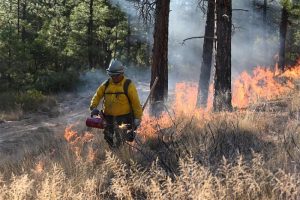 There is a new career pathway for tribal students looking at wildland firefighting jobs.
KJZZ’s Gabriel Pietrorazio has more on the partnership between the Bureau of Indian Education (BIE) and Bureau of Indian Affairs (BIA).
Highschoolers across six BIE-run schools are participating, including Northwest High School in Shiprock, Ariz. on the Navajo Nation.
Carmelia Becenti (Diné) is chief academic officer for BIE. She credits President Donald Trump’s executive order on “expanding educational freedom”.
“This just happened to occur organically.”
They are also pitching the curriculum to colleges.
Garth Fisher is with the BIA Division of Wildland Fire Management.
“We are trying to somewhat steer them towards being stewards of our lands. That doesn’t always happen.”
Fisher says they are teaching coursework about leadership, fire suppression, and Federal Emergency Management Agency (FEMA) readiness.
Once done, students put their training to the test during a field day.
“They get to put the gear on, how it feels. They get to look like a firefighter.”
That equipment is expensive, says Becenti, which is why the BIE is buying it now.
“And that way, year after year, as we recruit more students at these schools and across the bureau, you know, we have this {#[Personal Protective Equipment] PPE that we can use over and over and over.”
Get National Native News delivered to your inbox daily. Sign up for our daily newsletter today.
Download our NV1 Android or iOs App for breaking news alerts.
Check out today’s Native America Calling episode
Monday, March 2, 2026 — Native crews help solve the growing marine trash problem

Leave a Reply