Podcast: Play in new window | Download | Embed
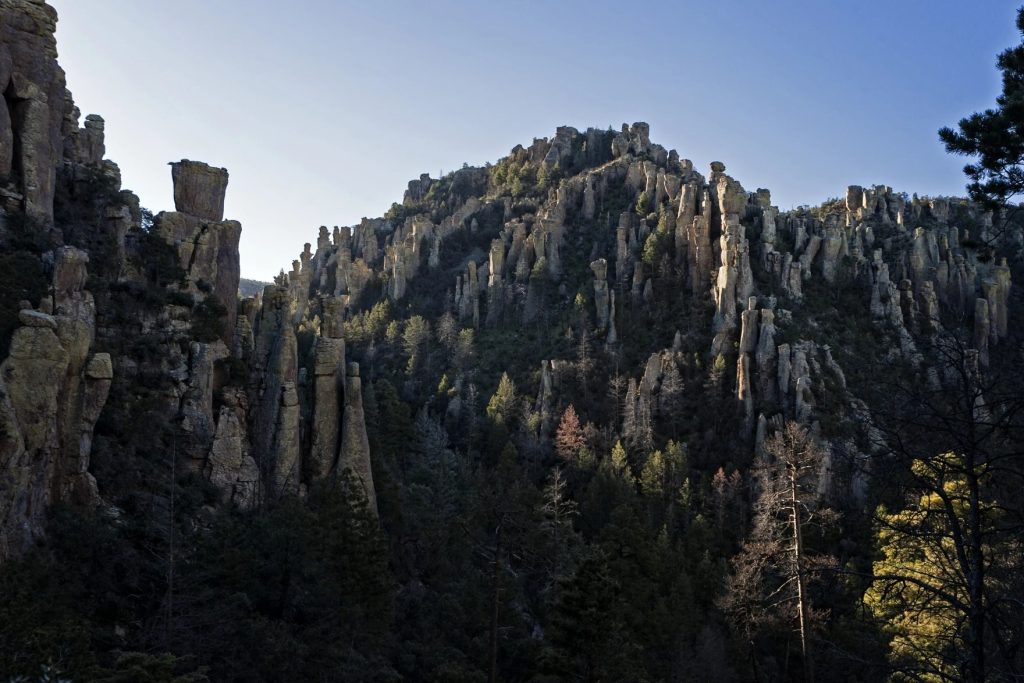
Photo: Rhyolite formations at Chiricahua National Monument in southern Arizona. (Charles Dischinger)
The U.S. Senate unanimously passed a bill last week that would turn the Chiricahua National Monument in Cochise County into Arizona’s fourth national park.
As KJZZ’s Gabriel Pietrorazio reports, the southern Arizona congressman who championed the bill is confident it will get President Donald Trump’s signature.
Chiricahua is the unmistakable name of the Apache band that nomadically inhabited the rugged borderlands between the U.S. and Mexico. Among them was Geronimo.
Historically, tribes like San Carlos, Mescalero, and Fort Sill Apache have not backed the national park designation.
The bill’s sponsor, U.S. Rep. Juan Ciscomani, R-Arizona, sought to ease concerns that Apaches could no longer access the 12,000 acre site for ceremonies, but Ciscomani promised them that their right to pray and worship freely would not be infringed upon because of visitors or traffic.
“We were able to assure them of that and make sure that was protected. That addressed most of their concerns on this – enough to not oppose this anymore.”
Ciscomani is confident that Trump will sign the bill despite his administration’s funding and staffing cuts to the National Park Service.
“We expect this to get done very soon, sooner than later. We should expect the president to sign this – no indication at all that there’s any kind of reservation from the White House on this. Quite the opposite, they’re celebrating it.”
The state currently has three national parks – Grand Canyon, Petrified Forest, and, most recently, Saguaro, which was designated in October 1994.
“So October has become a great month to designate national parks in Arizona – 32 years apart – but nevertheless it happened in the fall. Beautiful time of the year. I encourage everyone listening to go check out the Chiricahuas, and a lot more people are going to find out about them soon.”
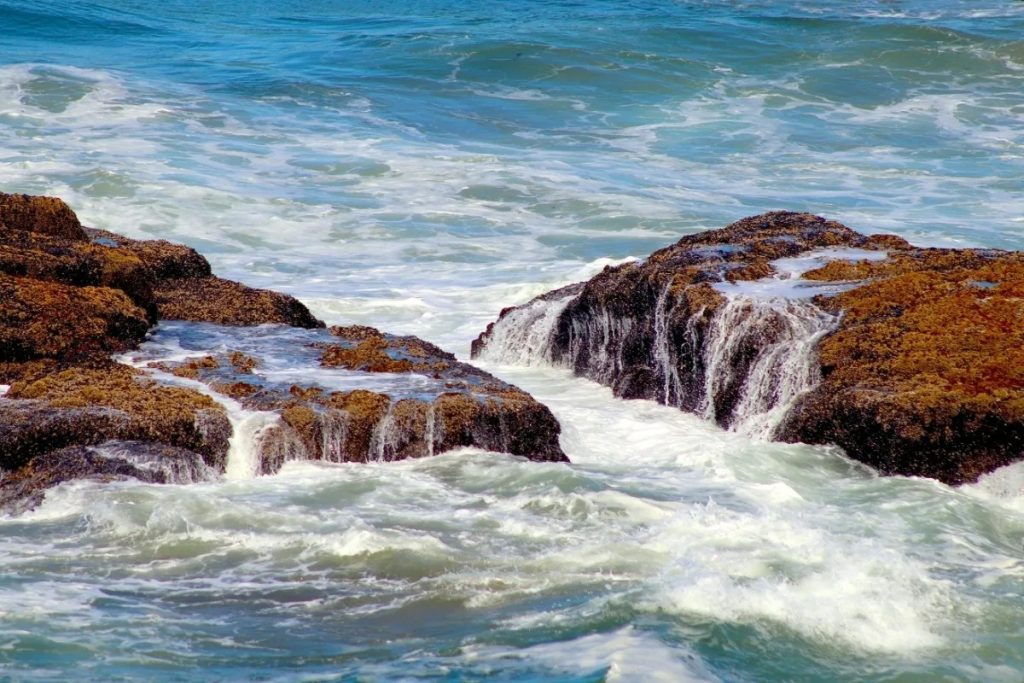
Rocky Shore area in September 2026. (Photo: Andrea Taylor)
The Confederated Tribes of Siletz Indians ceded much of their ancestral land as the U.S. ratified treaties across Oregon in 1855, but as Brian Bull of Underscore Native News and KLCC reports, some of that land will be returned soon.
It is called Rocky Shores, and it is on the Oregon coast south of Yachats.
After colonization, it fell under private ownership, but with the help of the McKenzie River Trust and some conservation non-profits, this seven-acre area will soon be back under the tribe’s stewardship.
The Siletz’s natural resources director, Angela Sondenaa, says Rocky Shores is a pristine space rich in biodiversity.
“There is a freshwater stream that runs through it. It’s rich in ferns and mosses and mushrooms. Abundant salal, other coastal species that are so critically important to us and our efforts to restore kelp and sea otters to our territory.”
The acreage was bought for $120,000 and is expected to be transferred to the Siletz soon.
The tribe will not open it to the public to protect its ecosystem, but might hold organized events there.
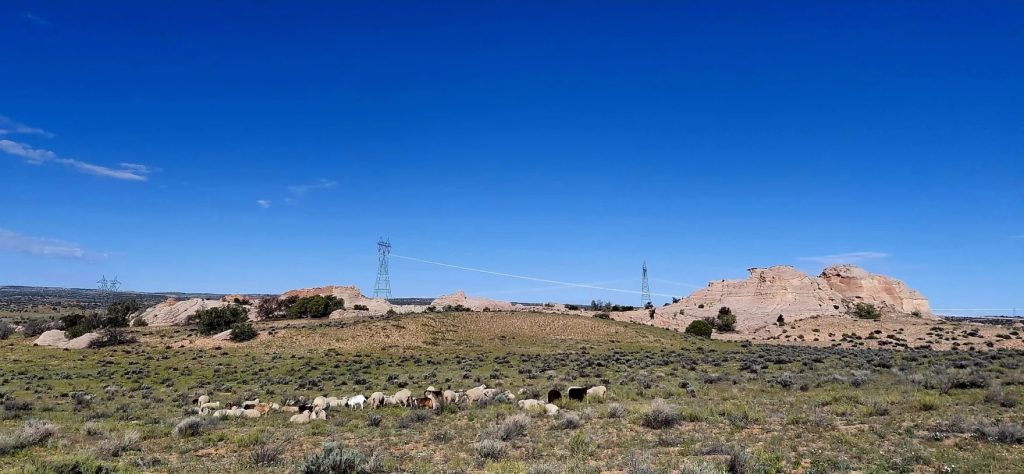
Land within Coppermine Chapter on the Navajo Nation. (Courtesy Loren Thomas)
A Navajo Nation community near Page, Arizona passed a resolution in August denying a controversial copper mine proposal.
KNAU’s Chris Clements reports the denial means the mine likely will not be able to move forward — for now.
The resolution says the community of Coppermine unequivocally opposes any company digging for copper due to concerns about public health.
David Kelley is the CEO of Chakana Copper, the Canadian mining company tied to the proposal. He says he is aware of the resolution.
“We want a project that’s wholeheartedly endorsed by by the community until such time that it gets to that point, then you know there there’s not going to be a project.”
That comes as a big relief to tribal members like Destinee Bigman, who opposed the mine because she is worried about environmental impacts.
“Our land holds a lot of meaning to us as a family, and it means a lot. I mean, we ranch out there. Everything we do our traditional ceremonies there.”
Bigman says she does not think the community will ever allow the mine to move forward.
Get National Native News delivered to your inbox daily. Sign up for our daily newsletter today.
Download our NV1 Android or iOs App for breaking news alerts.
Check out today’s Native America Calling episode
Monday, October 5, 2026 — One tribe breaks from the pack on prediction markets

Leave a Reply