Podcast: Play in new window | Download | Embed
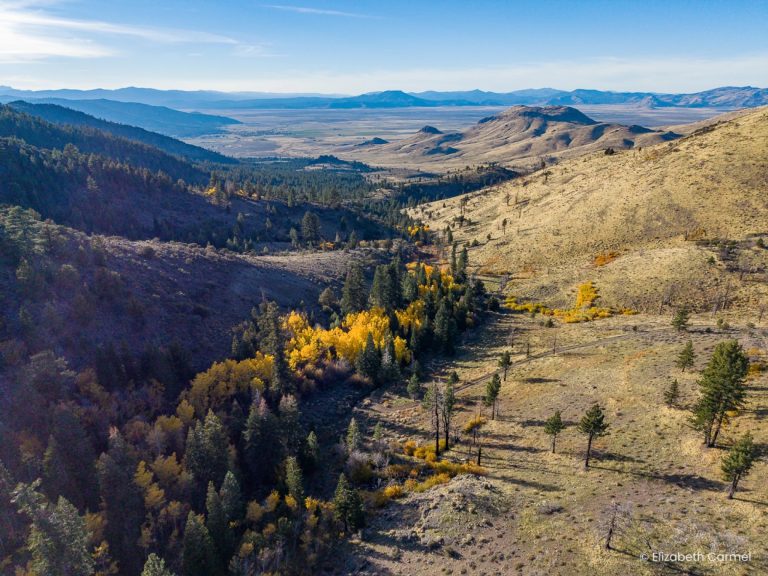
Photo: A wide shot of the west side of the WélmeltiɁ Preserve in north Lake Tahoe, Calif. (Courtesy Elizabeth Carmel)
The Washoe Tribe announced its acquisition of more than 10,000 acres of land north of Lake Tahoe.
This new WélmeltiɁ Preserve marks the largest tribal land return in the Sierra Nevada and third largest in California.
KUNR’s Mariel Day has more.
The Washoe Tribe recently finalized the purchase of the land in partnership with organizations like the Wildlife Conservation Board.
The land spans across from the northeast of Lake Tahoe and to about 20 miles north of Reno.
Washoe Tribal Chairman Serrell Smokey says this is an opportunity for the tribe to revitalize their traditional practices, stewardship and language preservation.
“The Washoe People, being removed from our lands, fought hard to get every little bit back, and now we actually have something to call ours.”
Although the preserve is the first under the Waší·šiw Land Trust, they hope to acquire more of the Washoe homelands.
In the meantime, Smokey hopes to start restoring the land and focus on conserving the wildlife and its natural resources – while ensuring it’s a safe place for everyone.
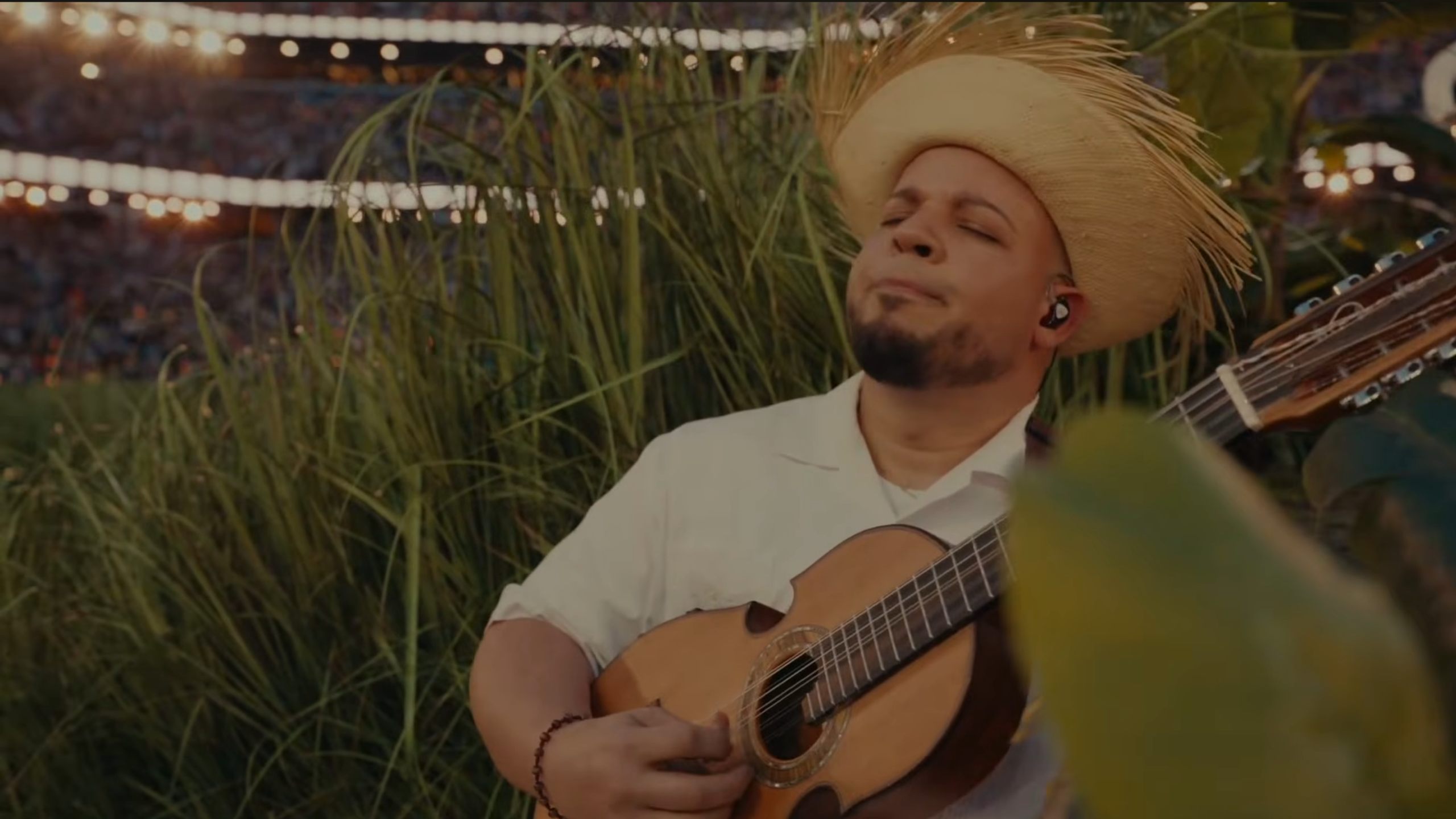 Super Bowl Halftime headliner Bad Bunny recently won three Grammys, including Album of the Year. He’s from Puerto Rico and one song explores colonization in his home and Hawaiʻi.
HPR’s Cassie Ordonio spoke with Puerto Ricans and Hawaiians last year about the similarities between the islands.
Bad Bunny’s song, “Lo Que Le Paso A Hawaii”, translates to what happened to Hawaiʻi. Many locals say it highlights stark similarities and is a reminder of the islands’ colonial past.
Daniel Kauwila Mahi is a Native Hawaiian artist. He interpreted the song as Bad Bunny protecting his homeland by taking a political stance against statehood.
Puerto Rico became a U.S. territory in 1898, six years after the overthrow of the Hawaiian Kingdom.
Mahi underscored that Native Hawaiian musicians have been raising issues of over tourism and sovereignty rights.
These artists include, but are not limited to, Sudden Rush, Braddah Iz, and “Israel Kamakawiwoʻole’s Hawai‘i ‘78”.
“For this broader conversation is how Kanaka Maoli and Latino culture have been. through music since Paniolo came to Hawaii and our have have influenced each other for a lot longer than people think.”
Angel Santiago-Cruz is a 69-year-old Puerto Rican who has lived in Hawai‘i for about 40 years. He joined the U.S Army with a guarantee to be stationed in Hawaiʻi. He wanted to see what statehood looks like.
“What are you going to lose?”
One lyric that stood to him was to never forget the lelolai. Santiago-Cruz says it’s an expression from the jibaro, which is a person who is connected to the land.
“When the Hawaiians say, ea, that’s an expression for your Hawaiianness, that’s an expression to the connection to the island. Lelolai is the same.”
Get National Native News delivered to your inbox daily. Sign up for our daily newsletter today.
Download our NV1 Android or iOs App for breaking news alerts.
Check out today’s Native America Calling episode
Friday, February 20, 2026 – Remembering Osage leader Jim Gray