Podcast: Play in new window | Download | Embed
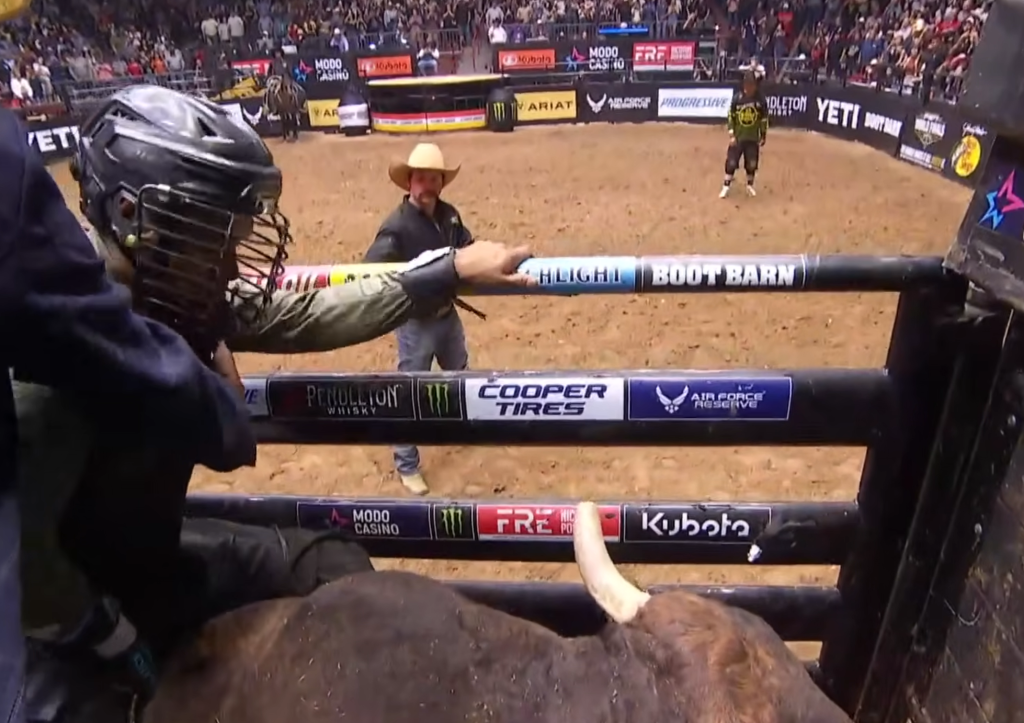
Over the weekend, a Diné pro athlete from the Arizona Ridge Riders ascended to the top ranks of competitive bull riding worldwide. KJZZ’s Gabriel Pietrorazio has more.
“Keyshawn just crafted his career moment, and he perches above them all and is the master of the Pit.”
For the first time, Keyshawn Whitehorse from Kraken Springs, Utah won the Ty Murray Invitational after hanging onto a bucking bull named “Lights Out”.
The 28 year old had a perfect weekend, going 4 for 4 on rides, with pretty much everybody in the building was right behind him.
“And all you guys, Navajo Nation, the support here in Albuquerque, N.M. – I’ve dreamed of this moment in my entire life, and now we’re on track for a gold buckle. This is a great stepping stone.”
With this title win, Whitehorse is among the top 10 riders in the world.
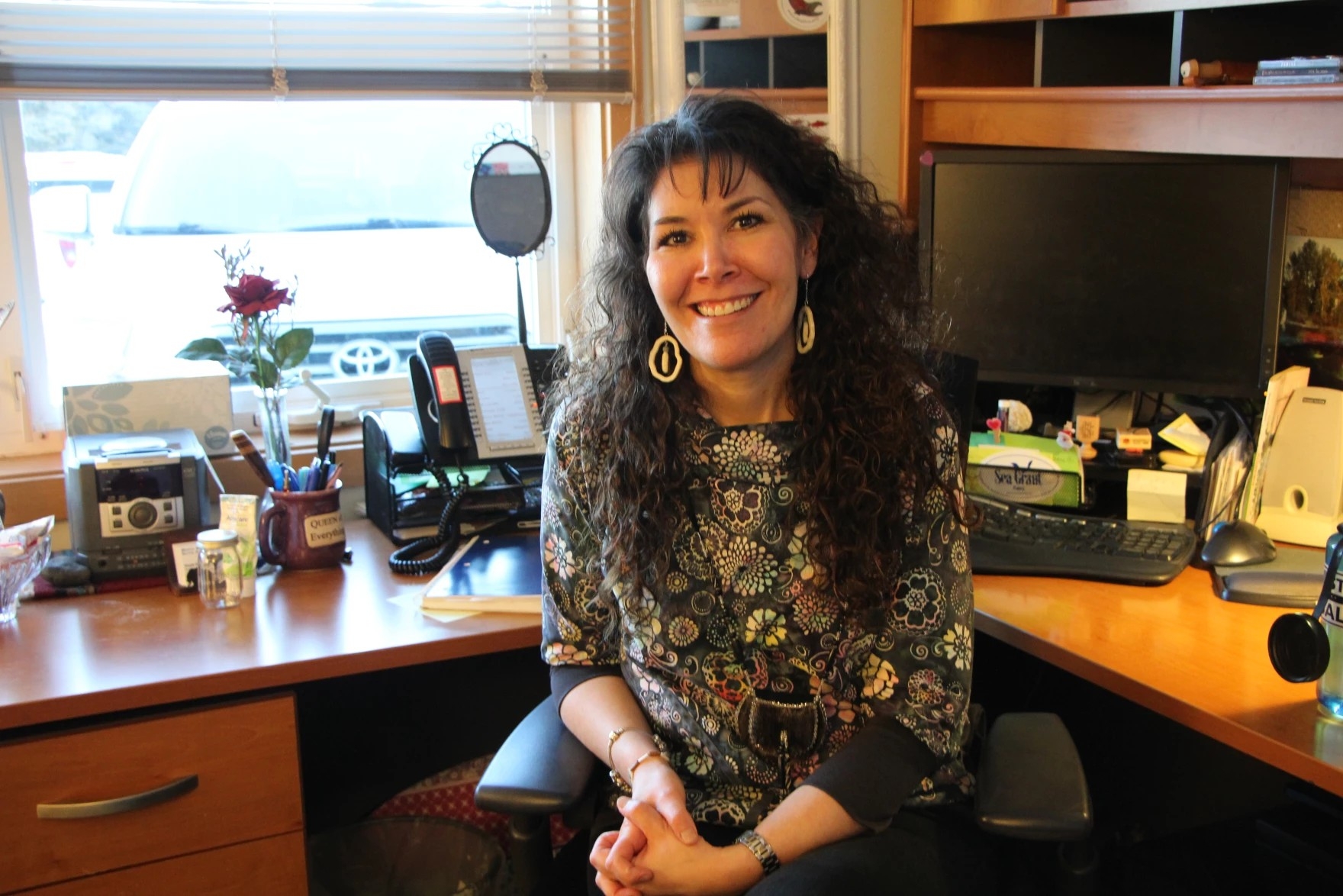
Gayle Hoseth (Yup’ik), Alaska Federation of Natives Co-Chair. (Photo: Avery Lill / KDLG)
Alaska Native groups have scrambled to make their voices heard on a series of subsistence proposals from Safari Club International, which aims to reshape fish and game management on federal lands.
By the time the deadline for public comment passed on Monday, more than 2,000 people had weighed in.
Rhonda McBride from our flagship station KNBA reports.
The letters are emotional, overwhelmingly from rural hunters and fishers, worried that the Safari Club’s proposals to the U.S. Interior Department would threaten their ability to live off the land.
Tribal leaders like Gayla Hoseth (Yup’ik), Alaska Federation of Natives (AFN) Co-Chair, say these battles never seem to end.
“We’re often times, repeating ourselves, over and over.”
This time, Native groups are facing off against one of the most powerful sport-hunting advocacy groups in the nation, which seeks to overturn Biden-era policies that added three tribally nominated seats to the Federal Subsistence Board.
The Safari Club also wants to remove three other public seats and return the board to its original make-up, limited to the heads of five federal agencies.
“We’ve said this many times on the record that it’s a revolving door of these regional administrators that come through our state – and that are here for a time — and not really knowing and being on the land.”
As a senior advisor to Interior Secretary Deb Haaland during the Biden Administration, Raina Thiele shepherded the process of adding the additional tribal seats.
Although it took about three and a half years to get them in place, Thiel says it was worth the effort.
Along the way, tribal leaders introduced many ideas on how to improve subsistence management on federal lands
“Nobody really lives the way we live in Alaska. It’s an incredibly unique system so folks just don’t have the context or the history with it to really understand it.”
The Safari Club has also called on federal managers to defer to the state when overseeing wildlife on federal land, which opponents say conflicts with a 1980 law that gives rural Alaskans priority for hunting and fishing on federal lands.
John Sturgeon, a longtime Alaska Safari Club policy maker, says the group does not oppose rural priority for hunting and fishing.
“The word deference means consideration. It’s not a mandate. So bottom line, Fish and Game does not have the authority to promulgate regulations. We’re not asking for that. We’re saying that we have to listen to (the Alaska Department of) Fish and Game, and we don’t think they’ve been doing that over the years.”
Alaska’s dual management system for state and federal lands has spawned many a battle over the right to hunt and fish – and this one could be the start of another long fight.
Get National Native News delivered to your inbox daily. Sign up for our daily newsletter today.
Download our NV1 Android or iOs App for breaking news alerts.
Check out today’s Native America Calling episode
Thursday, April 2, 2026 – The promise and curse of social media


Leave a Reply