Podcast: Play in new window | Download | Embed
The FBI announced earlier this month that it is, once again, putting extra agents in the field to address a backlog of cold cases on tribal lands.
As KJZZ’s Gabriel Pietrorazio reports, this effort is part of a years-long joint initiative with the Bureau of Indian Affairs (BIA).
Under Operation Not Forgotten, more law enforcement personnel will be filtering through nearly a dozen FBI field offices with close ties to Indian Country.
Agents are being sent to cities like Phoenix, Ariz., Billings, Mont., Albuquerque, N.M., and Denver, Colo.
Kevin Smith is with the FBI Phoenix Field Office.
“A lot of our state is tribal territory. Right now, we’re set for 14 agents.”
The FBI is handling 4,100 active Indigenous criminal cases nationwide.
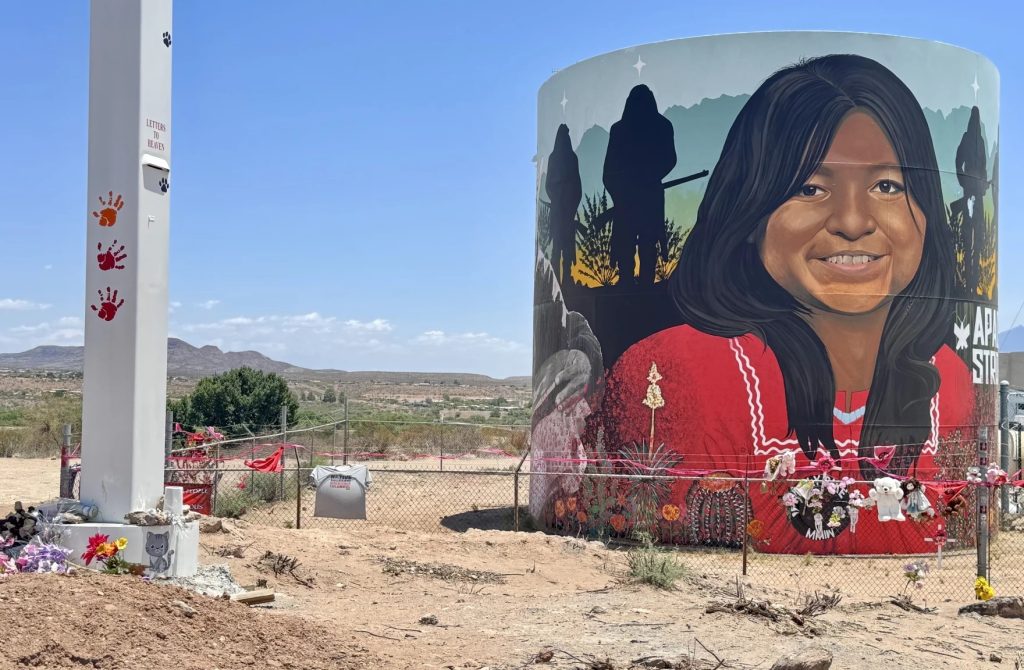
Smith says Arizona’s share is in the hundreds – including two high-profile ones for San Carlos Apache teen Emily Pike and 8-year-old Navajo Maleeka “Mollie” Boone.
“Every case is unique, and every case takes the time that it takes.”
The Alaska Supreme Court heard arguments last month on whether prisoners can be forcibly medicated with psychiatric drugs — without a court hearing and the right to a lawyer.
In the state corrections system, Alaska Native people are incarcerated at about twice the rate of white Alaskans.
Alaska Public Media’s Rachel Cassandra has more.
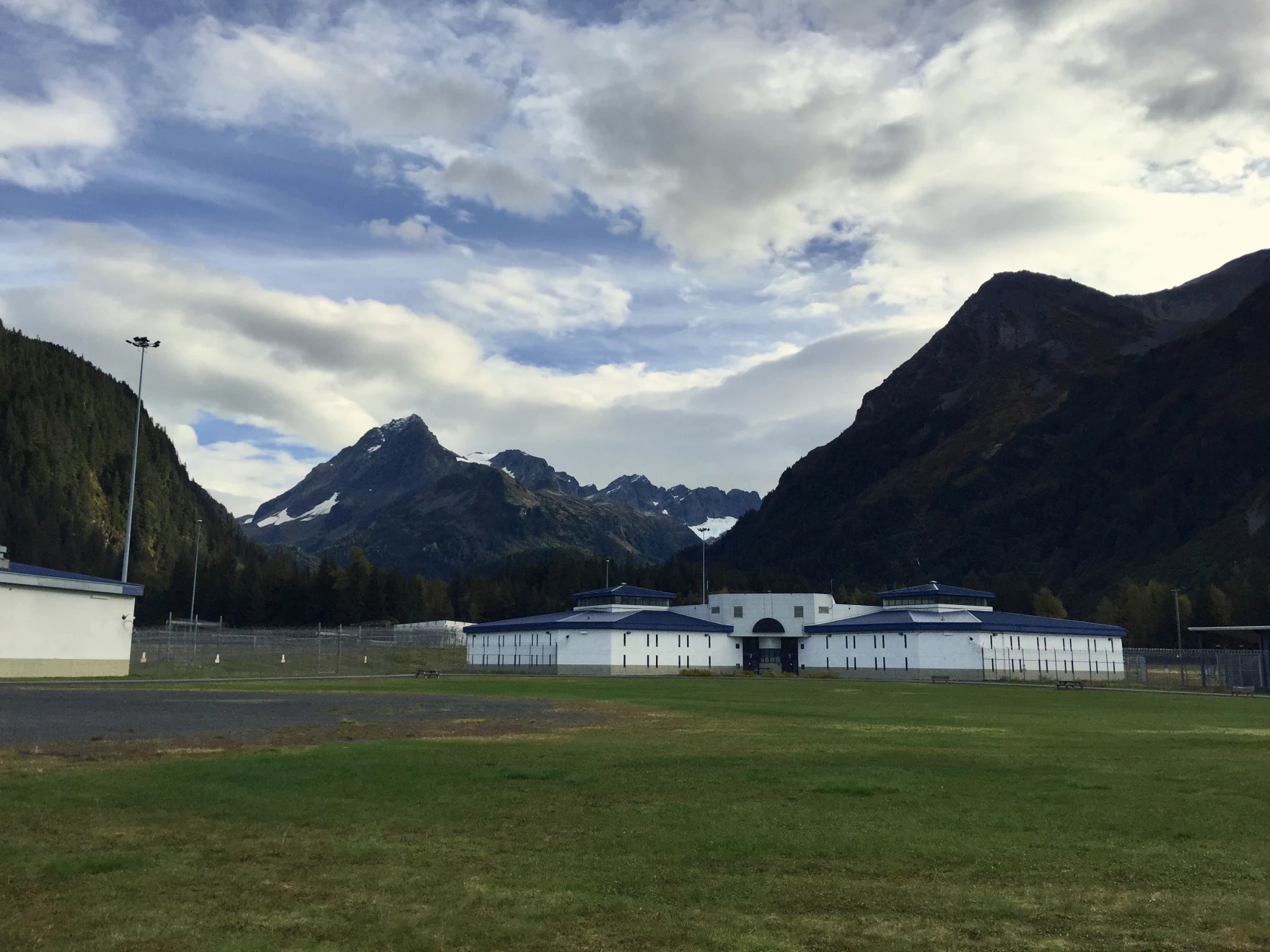
Prisoner Mark Andrews is housed at Spring Creek Correctional Center in Seward, Alaska. (Photo: Anne Hillman / Alaska Public Media)
The Alaska Supreme Court heard arguments this month on whether prisoners can be forcibly medicated with psychiatric drugs — without a court hearing and the right to a lawyer.
In the state corrections system, Alaska Native people are incarcerated at about twice the rate of white Alaskans.
Alaska Public Media’s Rachel Cassandra has more.
The American Civil Liberties Union (ACLU) brought the case against the Department of Corrections (DOC) on behalf of a prisoner, Mark Andrews.
He says he has been unjustly drugged with powerful psychotropic medication for most of the last seven years, without due process or access to legal counsel.
The Department policy currently allows prisoners to be drugged against their will if they are gravely disabled or are in imminent risk for harming themselves or others.
Doron Levine is a lawyer for the ACLU. He argued at the hearing that the policy infringes on rights protected by the state constitution.
“Few things are more personal than someone’s body, and arguably, nothing is more personal than a person’s mind. It’s the locus of a person’s identity, and it’s a last refuge of freedom for people who are incarcerated.”
Under department policy, prisoners have the right to hearings every six months with department staff. And they have the right to appeal the decision to a department committee.
The ACLU argues that Andrews did not have sufficient access to hearings or an appeal.
Justice Jennifer Henderson questioned Kimber Rogers, the attorney representing DOC.
Justice Henderson says the facts seem to suggest that the prisoner was denied the rights promised in the department’s policy.
Justice Henderson: “How do you respond to that?”
Kimber Rogers: “Your Honor, I agree that there were definitely some problems, and Mr. Andrews’ hearings, but I don’t think that that’s important.”
Henderson: “There were more than some problems. There were long periods of time where there were no hearings, for example.”
Rogers: “Well, Your Honor, I would dispute that actually.”
The ACLU lawyer argued that there should be a hearing in a courtroom because DOC staff may be biased to protect the institution over the person, but Rogers says a hearing inside prison is the best approach.
When the Supreme Court issues a ruling, the decision could apply to the approximately 22 Alaska prisoners who are being forcibly drugged.
Get National Native News delivered to your inbox daily. Sign up for our daily newsletter today.
Download our NV1 Android or iOs App for breaking news alerts.
Check out today’s Native America Calling episode
Thursday, April 9, 2026 — Roller derby skaters don’t let anyone push them around

Leave a Reply