Podcast: Play in new window | Download | Embed
Leaders with the Confederated Tribes of Grand Ronde’s treatment and recovery services say they’re making strides in opioid addiction treatment in both the tribal community and in neighboring towns and cities.
Jennifer Worth is the Operations Director for Great Circle Recovery in Oregon.
“There are no throwaway people, everybody deserves the chance for hope and help.”
Kelly Rowe is the Executive Director of Health Services for the Confederated Tribes of Grand Ronde.
“It’s changed lives. It’s saved lives for us.”
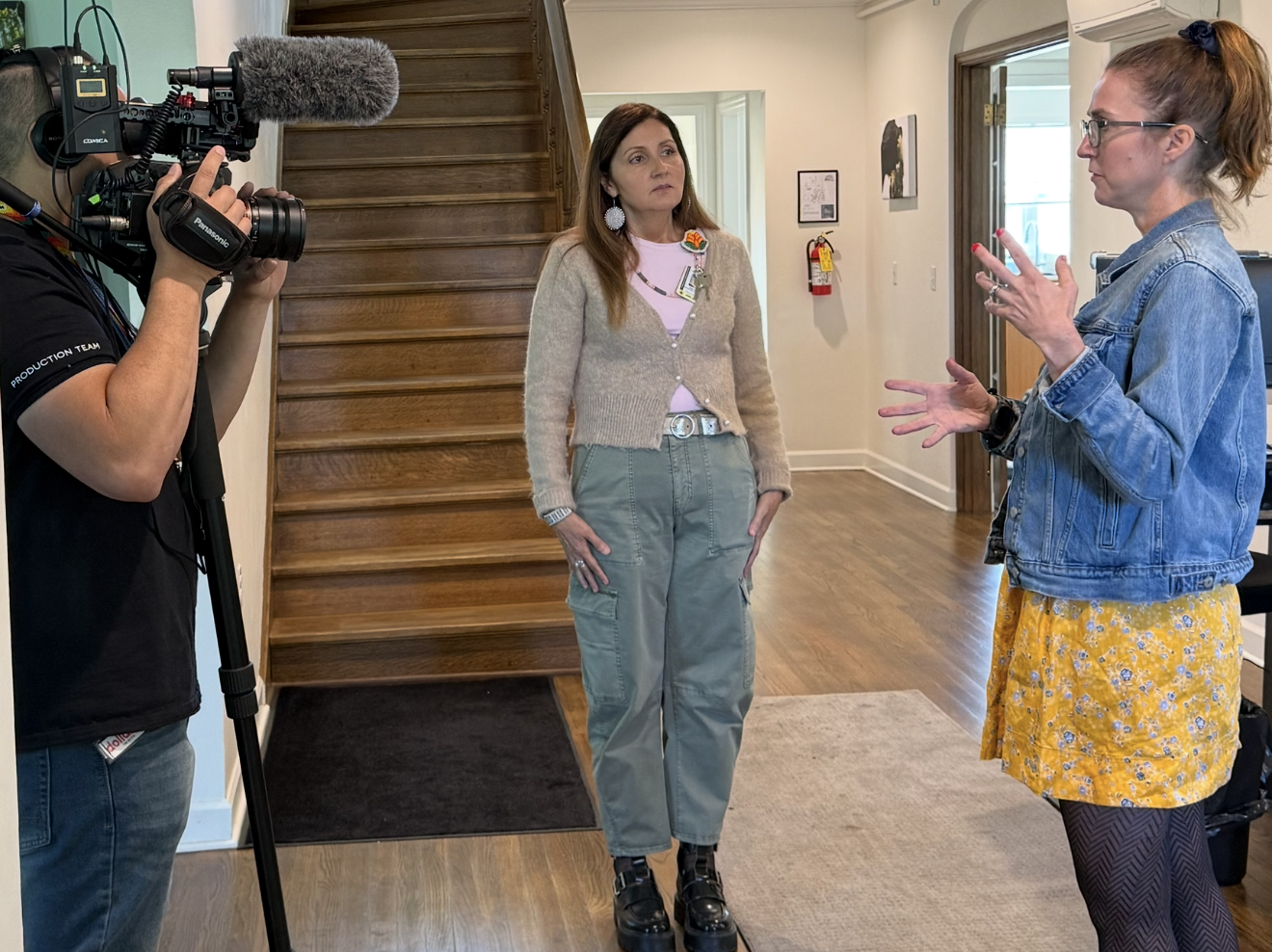
Kelly Rowe and Jennifer Worth talk about Grand Ronde’s recovery services.
Worth says Great Circle started out of an idea to help figure out what to do about overdoses.
“Folks were coming in and out of jail, there was a pattern where they were kind of noticing that there would be higher overdoses. And that’s because when people have an opioid use disorder and they go into incarceration and there’s no support during that time and they come out, they are more at risk and more vulnerable of an overdose. Being able to find other tools and avenues to support that was part of the vision of Great Circle.”
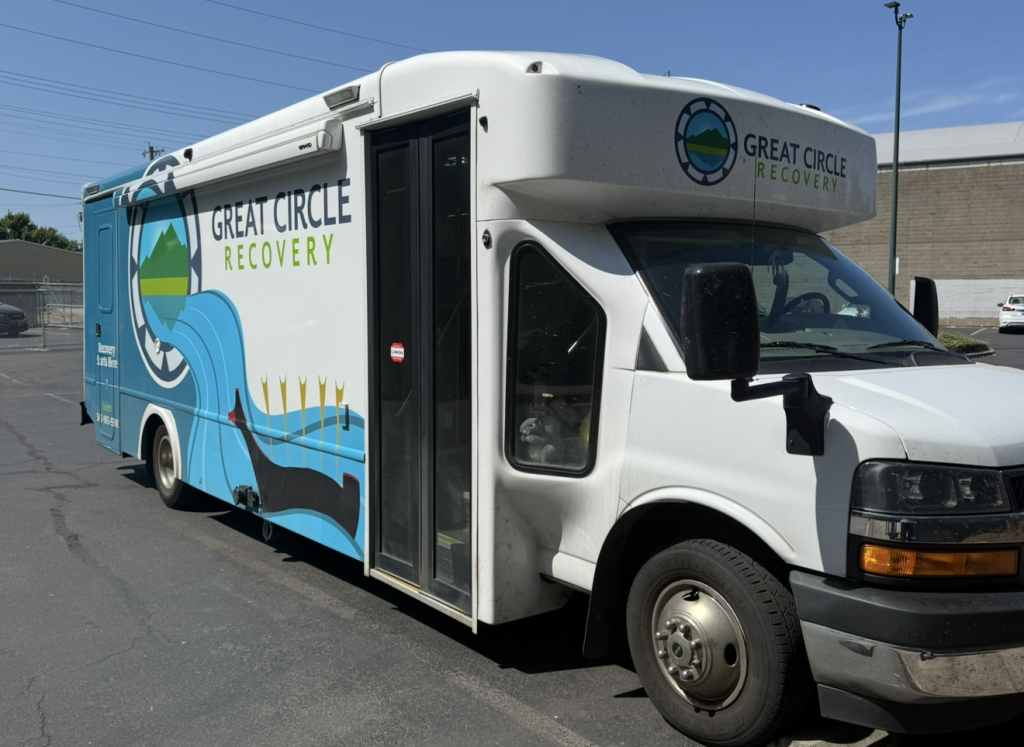
The care is located on the reservation and off through Great Circle Salem, Great Circle Portland, and two mobile clinics.
“Great Circle is steeped in the cultural and community values that Grand Ronde shares. And the way they care for their people is the way that we care for every patient that walks through these doors. And everybody matters. Everybody heals in community. And there is hope for each person that walks through that door. “
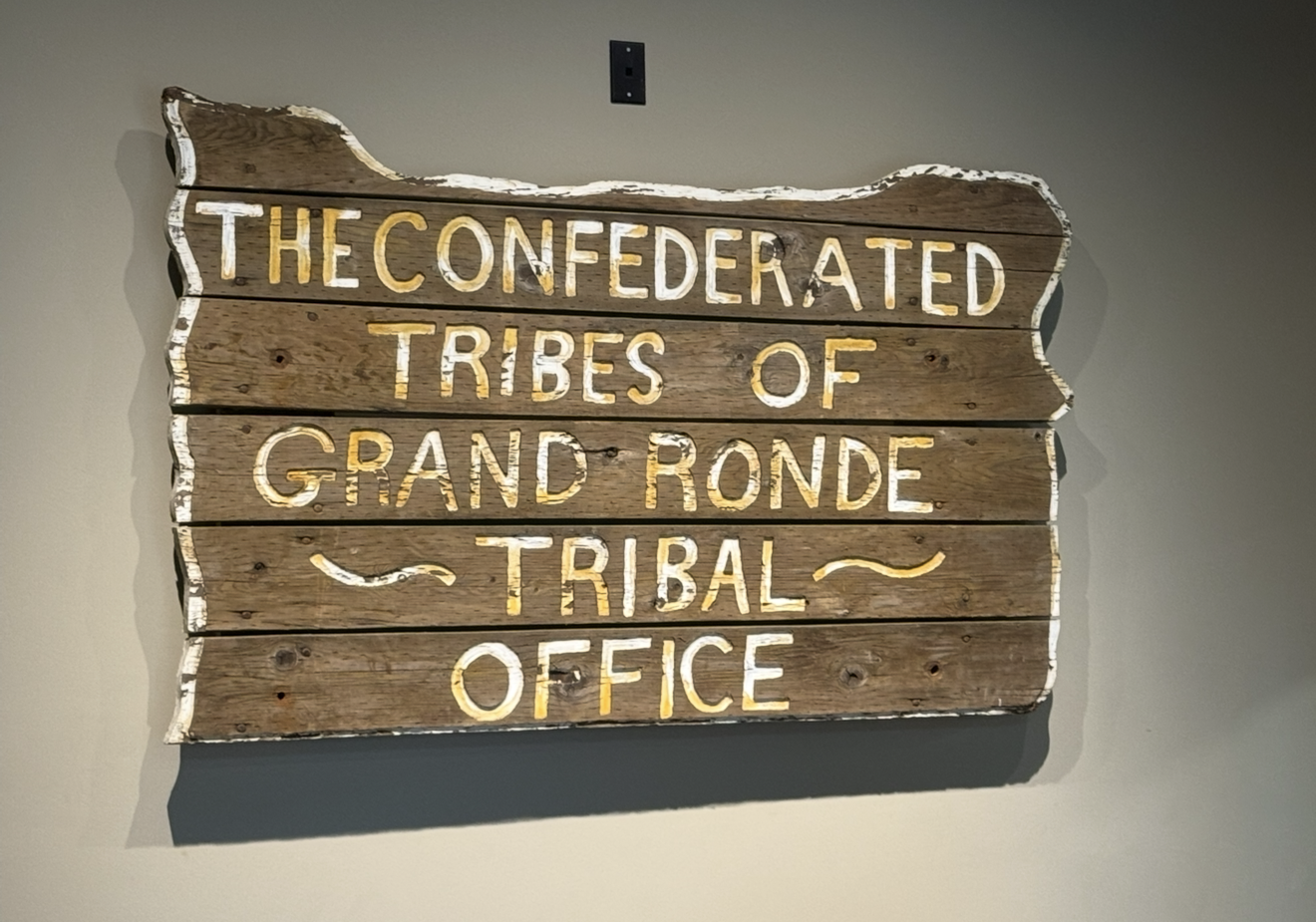 Taking care of the health and wellness of community members is a key tribal value, says Rowe.
“We are doing it not just for Indian people, but for each other. And I know that when I’m coming to work and we’re building programming or giving services, it’s for me, my relatives, it’s for my son, my grandson, and so on and so on and so on. And truly is the seven generations ahead … the substances that are out there now that are so hard to get away from it’s been difficult to make sure that we have enough services available to give to our people and we fight for beds, we fight for space to send our people to and that’s what really led for us to make these services our own.”
Chairwoman Cheryle Kennedy is the tribe’s longtime leader and also has a long career in Native American health care, which includes addressing drug and alcohol addiction treatment.
“I don’t believe that anyone, if you ask them today, ‘How many want to be an alcoholic or an addict?’. how many people are going to raise their hand? ‘Yeah, me, let me.’ No one starts like that, but it creeps in and it takes over, it consumes you. And pretty soon you have no life. You are then under the power of either the drink or the drug of choice, whatever it might be … as Native people, we think about ourselves in the whole. Colonization had those kind of effects … addictions, of use, misuse, need to be addressed.”
The state, like many other states in the U.S., has been hit by the opioid crisis, including the misuse of prescription and illicit drugs.
Addressing stigma around opioid use disorder is part of the work.
Worth says this type of treatment shouldn’t be any different than having a chronic health condition that needs to be managed.
“Substance use shouldn’t be any different, but yet it is. And so, the more we can normalize and have these clinics out and available and embedded into the other services that are happening, it just destigmatizes that for everybody.”
Great Circle is the first tribally-owned opioid treatment program in the state.
This story is a collaboration with First Nations Experience Television (FNX TV) with support from the Public Welfare Foundation.
Get National Native News delivered to your inbox daily. Sign up for our daily newsletter today.
Download our NV1 Android or iOs App for breaking news alerts.