Podcast: Play in new window | Download | Embed
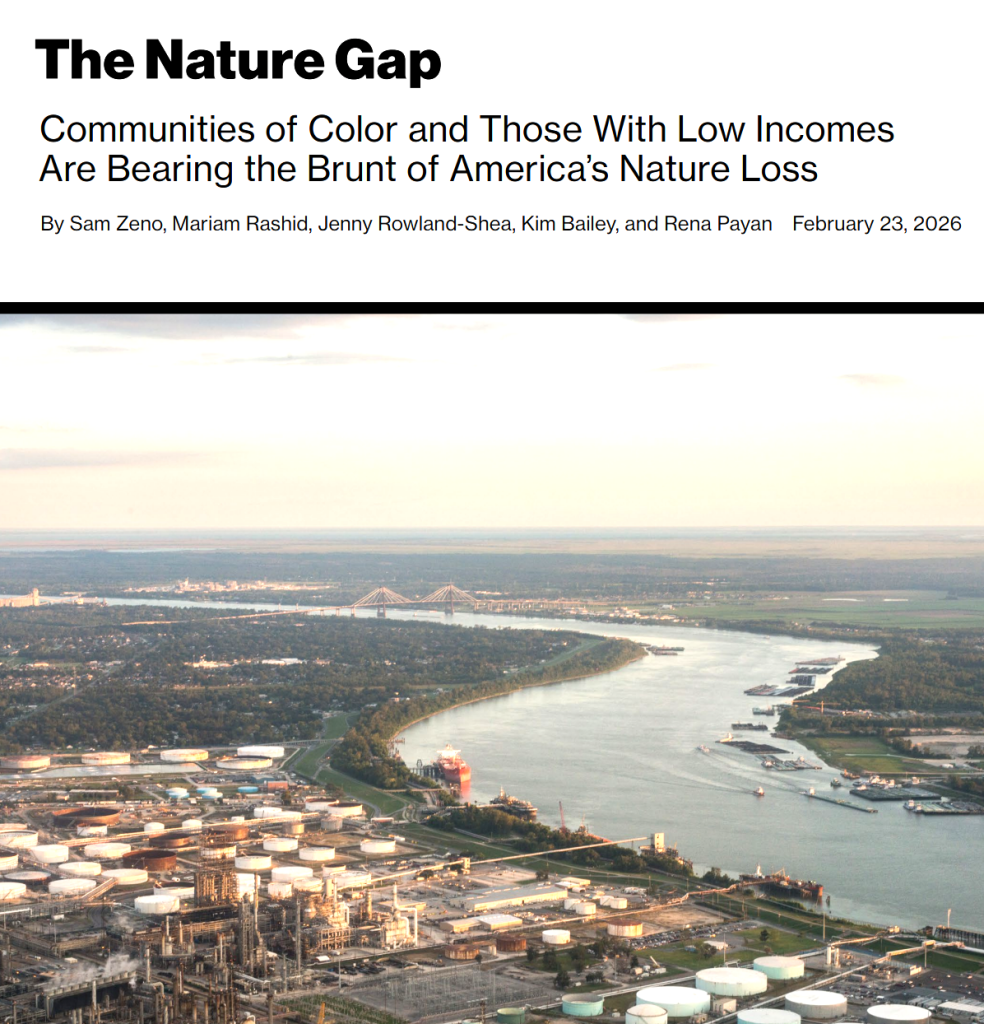
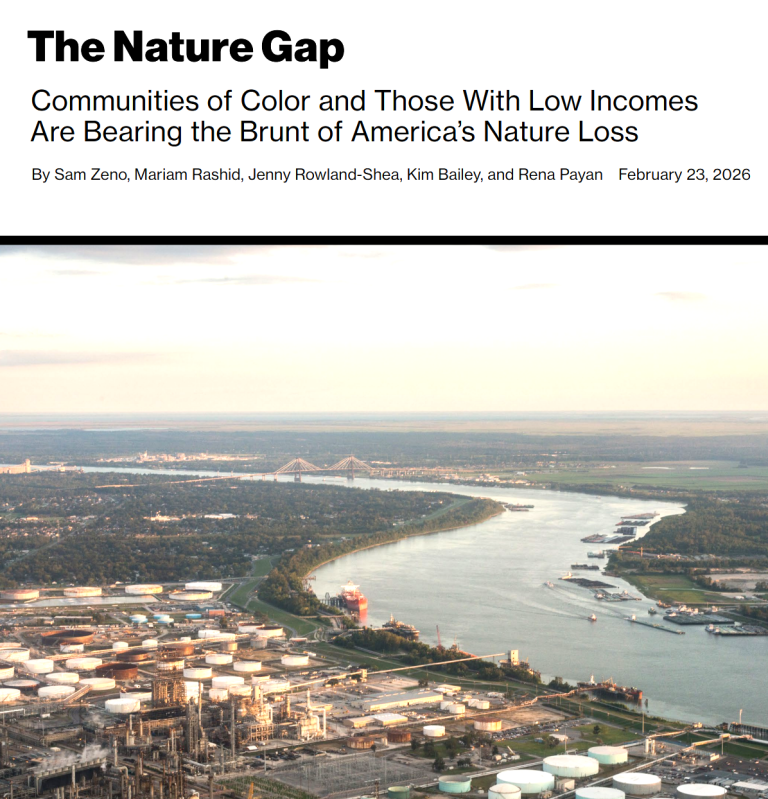
A new report shows access to nearby nature in the U.S. is not equal and the gap is closely tied to race and income.
Researchers say Indigenous communities are among those most affected.
The Mountain West News Bureau’s Kaleb Roedel has more.
Communities of color are three times more likely than white communities to live in places with severe nature loss — fewer parks, fewer trees, more pollution.
That is thanks in part to resource extraction and the rapid development of natural spaces.
Researchers say that is significant for tribal areas, where land is closely tied to cultural traditions and food systems.
Rena Payan with Justice Outside, which co-produced the report, says losing nearby nature isn’t just about scenery.
“Nature deprivation isn’t just about the aesthetics of who has access to ‘big nature.’ It’s also about who has access to clean air and clean water.”
The report also highlights Indigenous-led solutions.
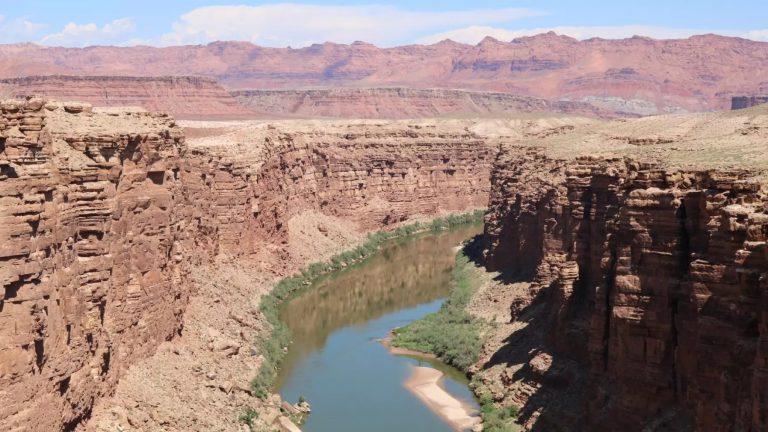
On the Navajo Nation, local groups are restoring native grasslands and wildlife habitat.
In Alaska, Native organizations are protecting salmon streams and coastal ecosystems that support subsistence.
Researchers say efforts grounded in Indigenous stewardship could help close what they call the nation’s growing nature gap.
 Reliable high-speed internet is still out of reach for many tribal communities.
A new report highlights ongoing barriers to broadband access in Indian Country.
Daniel Spaulding has more.
The report from the Urban Institute says many Indigenous communities lack reliable high-speed internet, especially in rural areas.
Recent federal investments have helped expand broadband in some tribal communities, but gaps remain.
Tomi Rajninger is a co-author of the report.
“In certain parts of the country, especially in Indian Country and a lot of rural communities, folks have a lot less access to high speed broadband than other parts of the U.S.”
The Urban Institute’s Gabe Samuels says geography is one of the biggest challenges.
“Because of the historic way where a lot of tribes are relocated, they’re often located in maybe more remote rural areas that are physically harder to access, it’s just kind of compounds the challenge to accessing.”
Rajninger and Samuels both say allowing tribes to manage their own broadband infrastructure will be key to improving access.
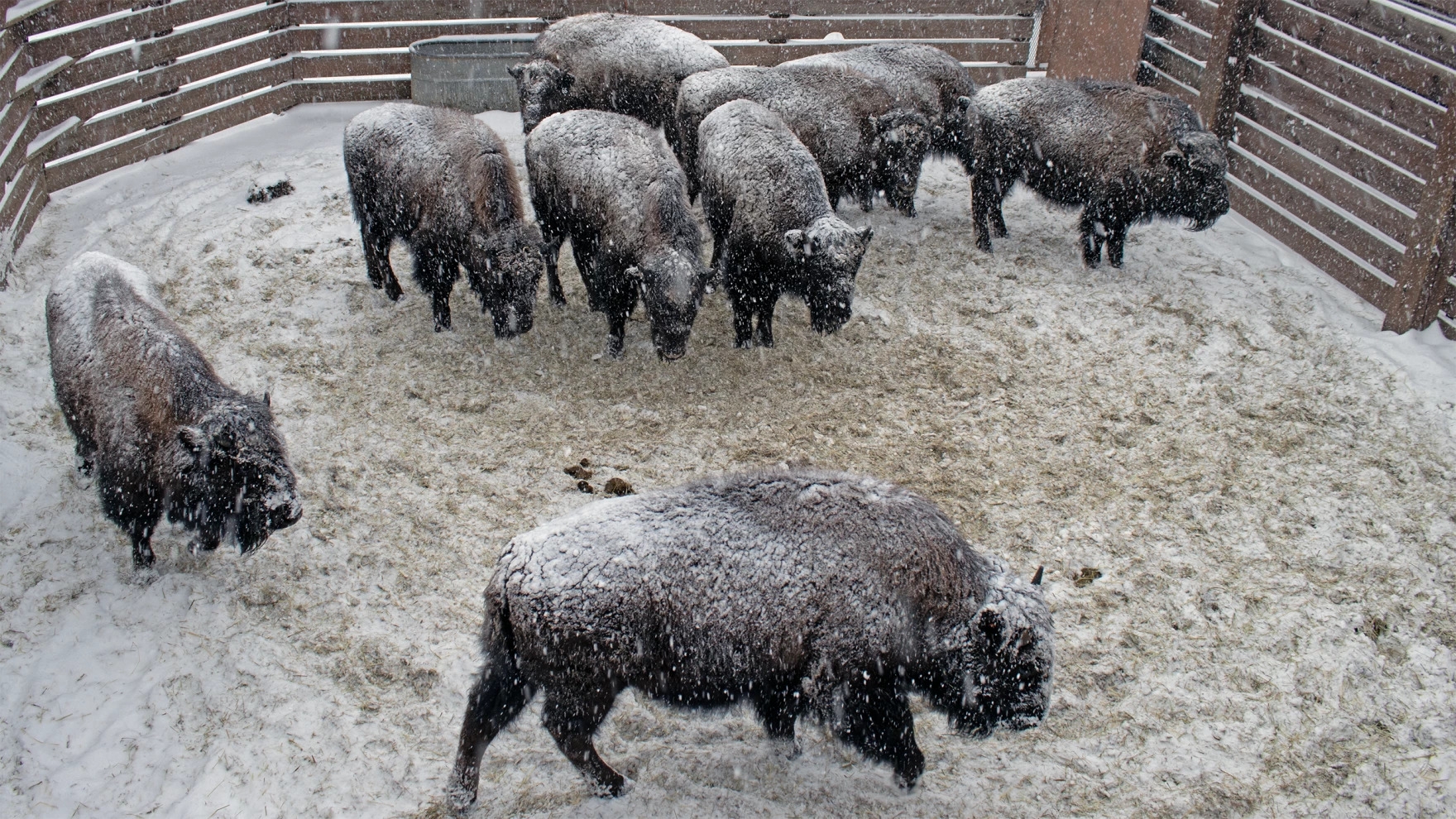
American bison inside a pen at Genesee Park near Golden, Colo. on March 6, 2026. (Courtesy Denver Parks and Recreation)
American bison are a symbol of the West that might have vanished from this landscape entirely, if not for conservation efforts.
As KJZZ’s Gabriel Pietrorazio reports, the city of Denver donates bison from a long-established herd to tribes and nonprofits each year.
Snow powdered the 34 bison inside a pen while tribes blessed them.
Eleven went to the Navajo Nation. The rest were sent to the Northern Cheyenne Tribe, a Lakota nonprofit, Buffalo First, in South Dakota, and the Denver-based Tall Bull Memorial Council.
This keystone species once roamed the Great Plains, but faced the brink of extinction.
In 1908, the Denver Zoo had only 18 animals left in captivity, but they would help form a herd near Golden, Colo.
The city has transferred more than 170 buffalo into tribal hands.
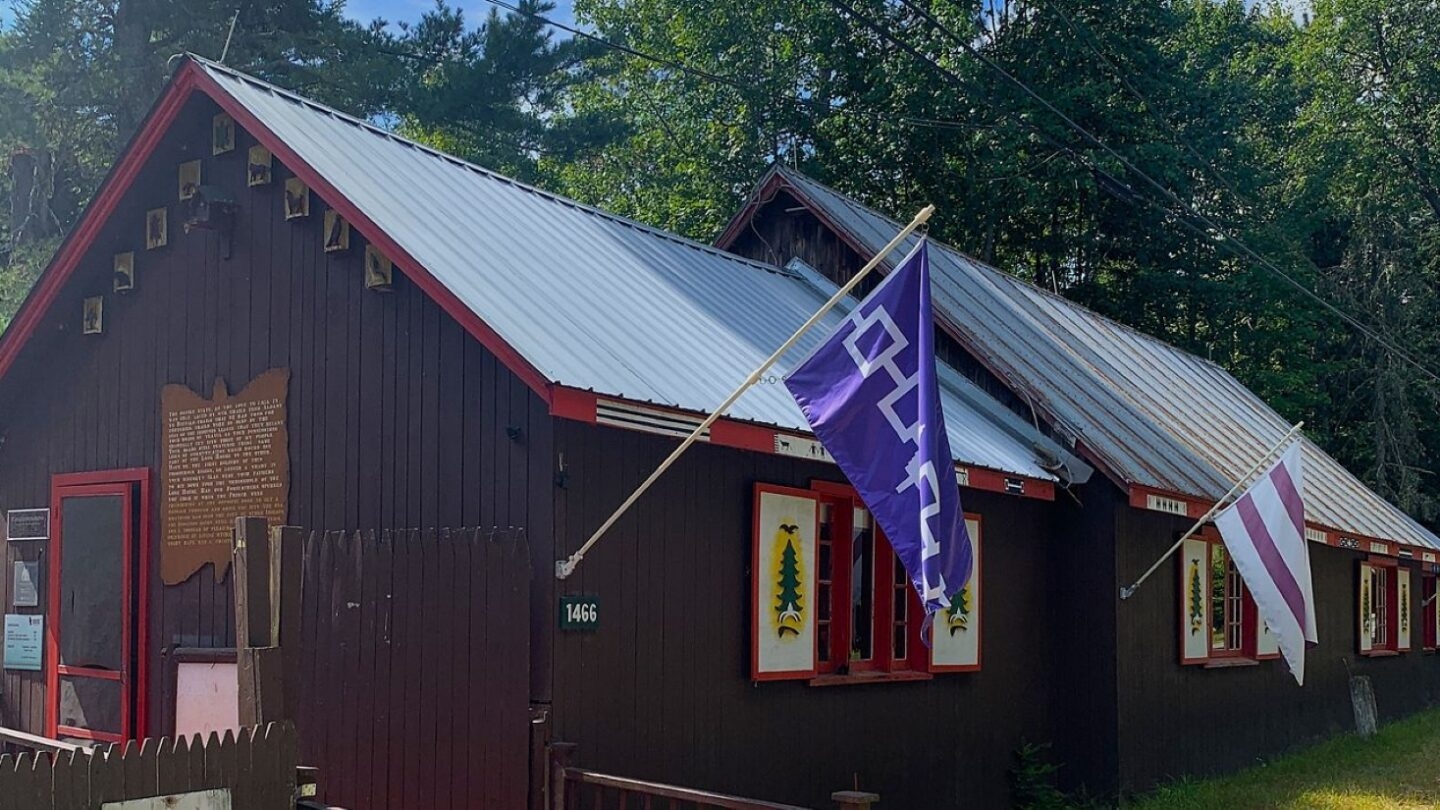
(Courtesy Six Nations Iroquois Cultural Center)
In New York state, more than 900 acres of land is returning to Indigenous care.
The Six Nations Iroquois Cultural Center, Paul Smith’s College, the Nature Conservancy, and the Adirondack Land Trust joined in the land-back partnership.
The Nature Conservancy purchased 600 acres of land for $1.1 million from the college and transferred ownership to the Six Nations Iroquois Cultural Center.
The cultural center will privately own and steward the land.
The land trust has already transferred 300 acres of adjoining land to the cultural center.
Get National Native News delivered to your inbox daily. Sign up for our daily newsletter today.
Download our NV1 Android or iOs App for breaking news alerts.
Check out today’s Native America Calling episode
Thursday, March 12, 2026 – Confronting a past of forced sterilization

Leave a Reply