Podcast: Play in new window | Download | Embed
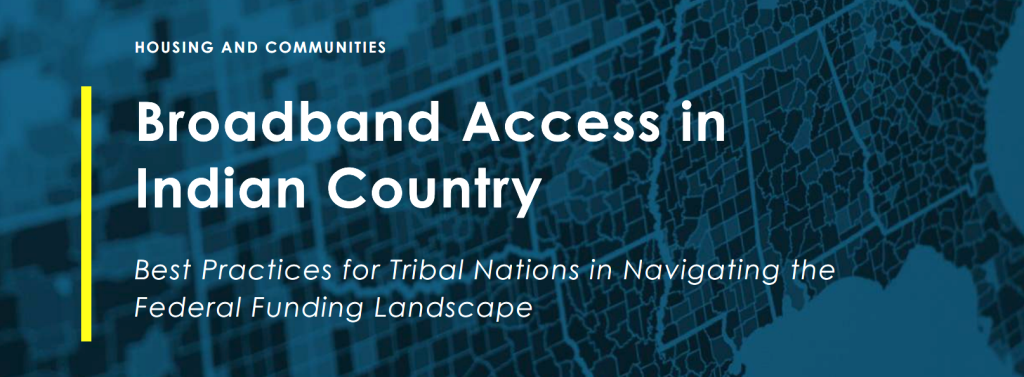
A new report by the Urban Institute based in Washington D.C. is looking closely at Native American tribes and their continued challenges with broadband infrastructure.
KUNM’s Jeanette DeDios (Jicarilla Apache and Diné) spoke with Amanda Hermans, a research associate for the report, on how sovereignty comes into play.
Hermans says, as sovereign nations, Native American tribes have the right to govern their own digital infrastructure, which in the past was not possible.
“This was rooted in a history of you know them not having the ability to take sovereignty over their access to things like broadband and other utilities.”
Hermans said broadband providers in the past have not allowed tribes a seat at the table when it came to making decisions on how to serve their communities with internet, but, she says, that’s changing and tribes are building expertise in broadband construction — and taking back control of these plans.
That does not mean they have to do it by themselves.
“Some tribes, depending, you know, on their priorities, may not have the desire or the capacity to do that all themselves and there’s also a lot to be gained by partnering with knowledgeable industry experts and maybe contracting out some of those services or roles to bolster their capacity.”
She says building broadband infrastructure on tribal lands is crucial on many levels — and can help bring in revenue and create jobs for tribal members.
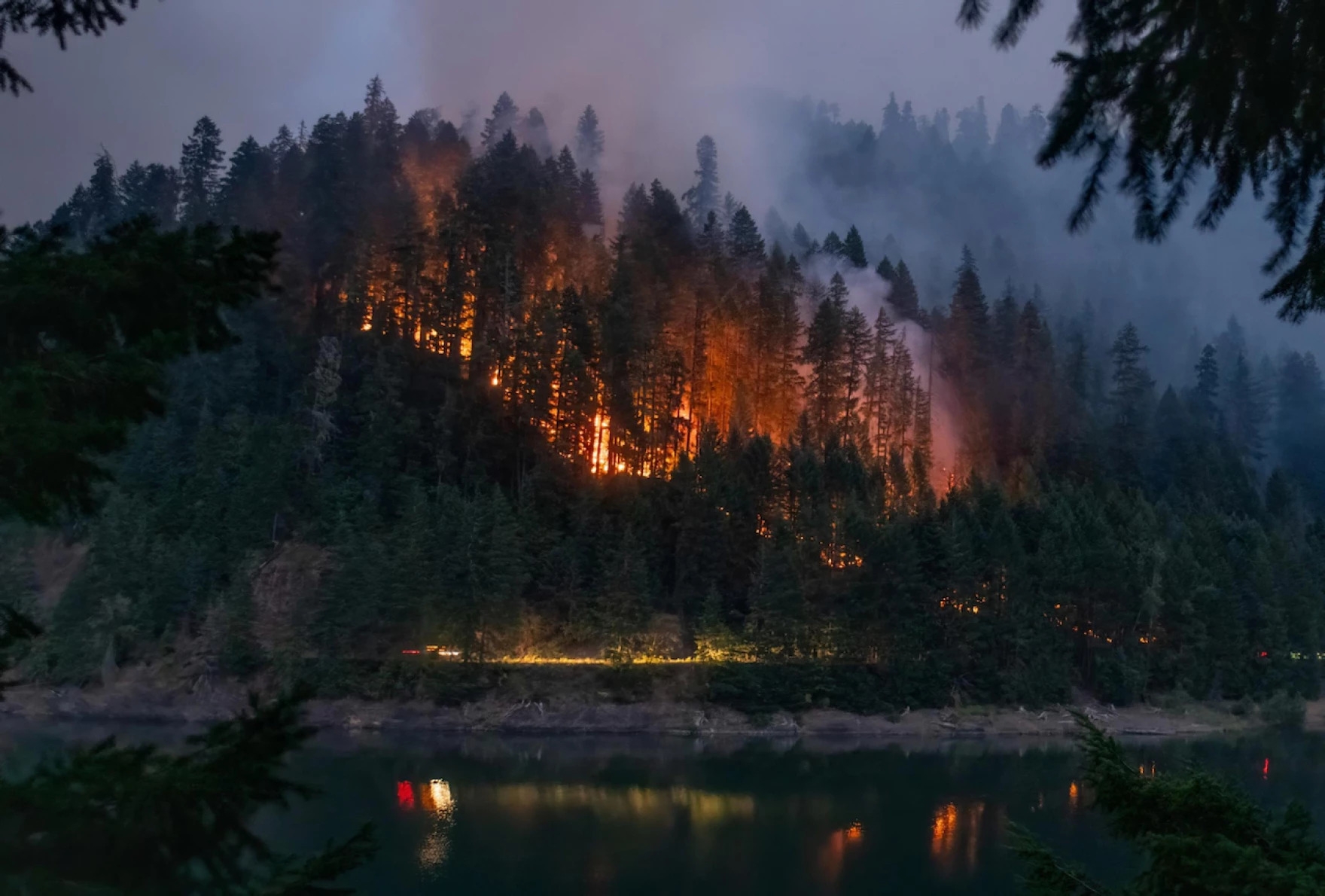 Old growth forests with just modest exposure to fire are now most at risk for severe wildfires, according to scientists with Oregon State University (OSU) and the U.S. Forest Service (USFS).
As KLCC’s Brian Bull (Nez Perce) reports, part of the problem is lack of Native stewardship.
Researchers say three-fourths of the Pacific Northwest’s forests that historically saw low and mixed severity fires are highly vulnerable to devastating blazes today.
Part of this vulnerability came after Indigenous people were driven out and therefore unable to practice controlled burns to reduce slash and pests, as well as rejuvenate the landscape.
Meg Krawchuk is OSU fire ecologist and forestry professor.
“There’s a reawakening of that knowledge and movement forward in terms of indigenous fire stewardship, but there are so many parts of the landscape that are not ready to receive fire well, and that require additional care and tending to bring back fire to our landscape.”
Pockets of landscape less susceptible to crown fire called fire refugia may help buffer these sensitive forest areas, and reduce severe fire risk by up to 20 percent.
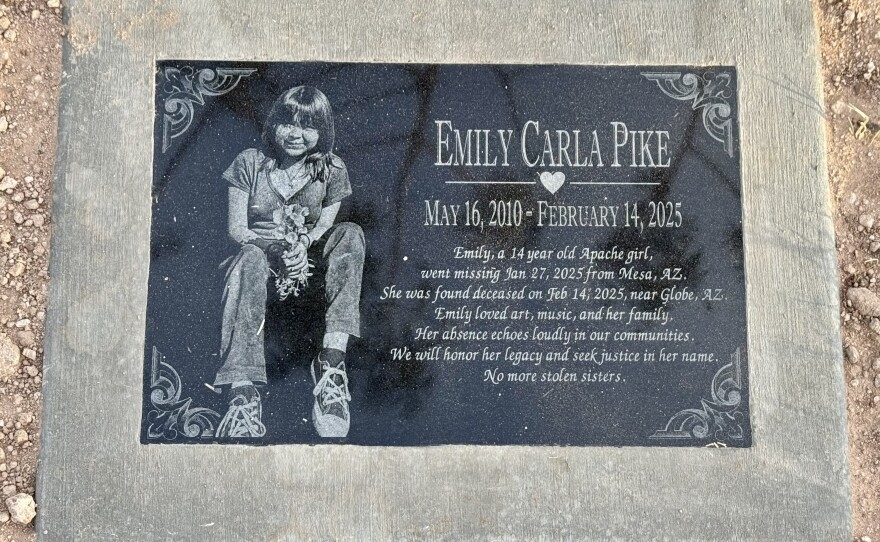
A playground near the permanent tribute for 14-year-old Emily Pike within Fitch Park. (Photo: Gabriel Pietrorazio / KJZZ)
Spring training is in full swing at Fitch Park, home of the A’s.
Near the baseball diamonds and a playground, the city has planted a tree.
Next to the sapling is a plaque with an image of Emily that reads, in part, “No more stolen sisters.”
Beside that is a metal bench, engraved with a bloody handprint.
This is all a few miles south of Mesa Drive and McKellips Road – the intersection where Emily was last seen alive – and where the makeshift shrine was erected.
Her family is now asking everyone to leave that old spot alone.
Get National Native News delivered to your inbox daily. Sign up for our daily newsletter today.
Download our NV1 Android or iOs App for breaking news alerts.
Check out today’s Native America Calling episode


Leave a Reply