Podcast: Play in new window | Download | Embed
Photo Courtesy Stewardship Utah / Instagram
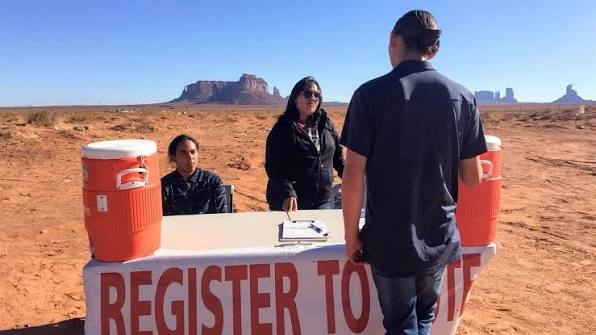
Rural Native American voters in Utah often face long distances, unreliable mail service, and changing election rules ahead of the November 3 midterm election.
As Mark Richardson reports, the challenges are especially acute in rural San Juan County.
The Navajo Nation covers about one-third of the county’s land, with more than 6,000 people in that portion of the county.
Lenise Peterman is rural director for Stewardship Utah. She says rural residents can face both current and historic voting obstacles.
“Rural counties, and especially when we talk about San Juan, is so large that people who reside on Navajo Mountain literally have to drive four hours to get to a polling place.”
The county lists Election Day sites in Blanding, Montezuma Creek, Monument Valley, Navajo Mountain and Monticello.
Navajo and Ute language help and ballot boxes will be available at each site.
Peterman says a recent legislative audit found San Juan County generally conducts elections well, but auditors also found compliance gaps.
County officials will mail ballots on October 13, and early voting starts October 20.
“We encourage people to immediately fill them out if they’re dropping them back in the mail, because postal service on Navajo Nation is questionable, and if it’s not received on November 3, it will not count.”
Peterman says Stewardship Utah has worked on another basic barrier: street addresses. The group worked with Google and Google Earth Maps in 2018 to help Navajo Nation residents establish mapped addresses.
She says the effort improved ballot delivery, but the memory of past voting problems may be harder to overcome.
“There’s not a lot of trust there. There’s not a lot of buy-in to the system. But we’ve been trying to educate and work with them and let them know that you do have a voice.”
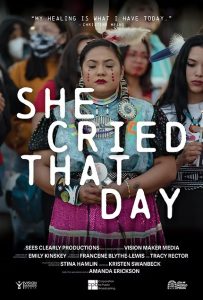
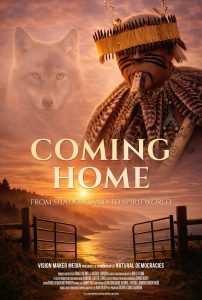
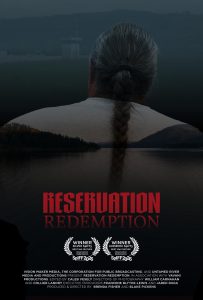
Vision Maker Media is bringing five new Native documentaries to public television in November for Native American Heritage Month.
The films will air nationally on the PBS WORLD channel and explore issues ranging from land return and missing and murdered Indigenous people to boarding school history, incarceration and cultural resilience.
“Coming Home: From Shadowland to Spiritworld” follows Kashia Pomo Tribal members in California seeking the return of ancestral coastal lands after generations of dispossession.
“She Cried That Day” follows Christine Means and her family as they seek answers surrounding her sister’s death, bringing them into the MMIP movement in New Mexico.
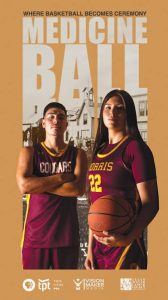
“Medicine Ball” follows Native basketball players at the University of Minnesota Morris, which sits on the site of a former Native boarding school. The film examines how basketball has become a source of resilience and cultural pride in Native communities.
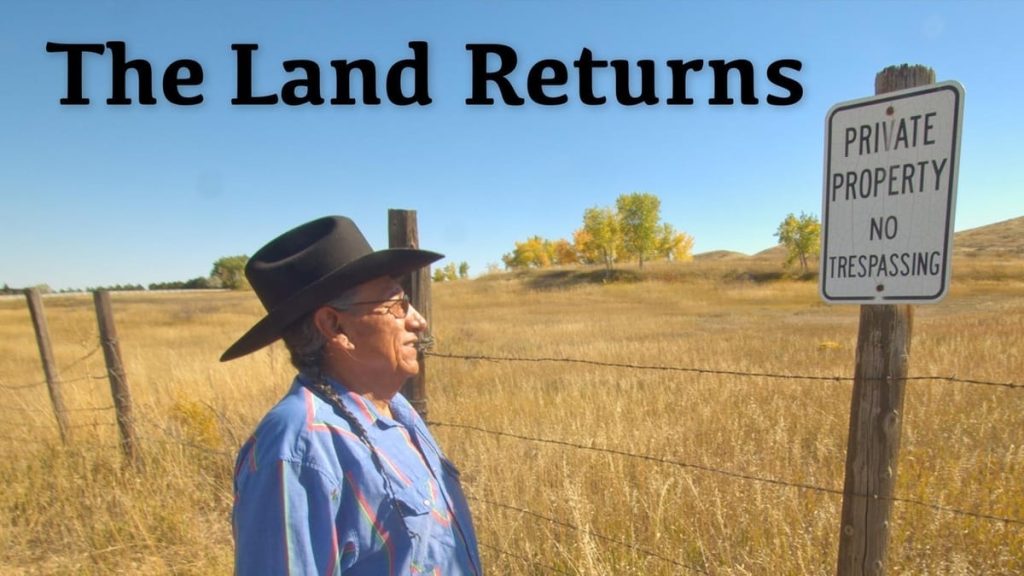
The lineup also includes “Reservation Redemption” about a Colville citizen who reconnects with his heritage during decades in prison – and “The Land Returns”, examining efforts to return land to Indigenous nations.
Vision Maker Media President and CEO Francene Blythe-Lewis says audiences can expect stories of “reciprocity, recovery, and perseverance.”
Two new episodes of “First Peoples, First Stories”, featuring films from emerging Native filmmakers, will also air in November.
Get National Native News delivered to your inbox daily. Sign up for our daily newsletter today.
Download our NV1 Android or iOs App for breaking news alerts.
Check out today’s Native America Calling episode


Leave a Reply