Podcast: Play in new window | Download | Embed
U.S. Immigration and Customs Enforcement agents arrested three people during a traffic stop within the Gila River Indian Community in Arizona earlier this month.
As KJZZ’s Gabriel Pietrorazio reports, the Valley tribe’s leader says the encounter stoked fear.
Gov. Stephen Roe Lewis claims the tribe made a deal allowing federal agents to conduct activities on their sovereign lands – so long as they first notify the Gila River Police Department.
But tribal officers will not assist.
“Now with this recent incursion, that agreement clearly broke down and needed to be urgently and directly and clearly addressed.”
In a video message on social media, Lewis revealed he has contacted the U.S. Department of Homeland Security.
“And to their credit, they understood immediately that this was a genuine problem, and arranged that same day to put our new chief of police in touch with the local regional ICE leadership.”
None of the apprehended men are reportedly tribal members.
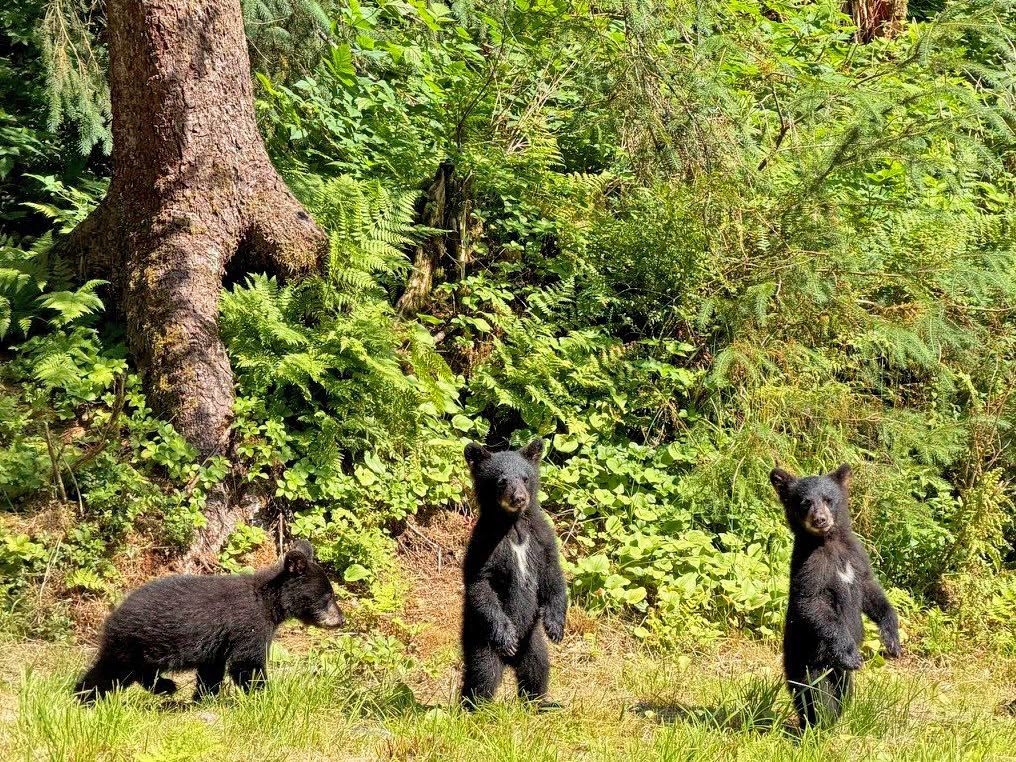
Three cubs belonging to Osso in the Anan Wildlife Observatory at Tongass National Forest. (Courtesy U.S. Forest Service / Facebook)
A proposed logging project in Alaska’s Tongass National Forest is facing opposition over concerns it could affect wildlife and subsistence hunting in Southeast Alaska.
The U.S. Forest Service plans to log thousands of acres of old-growth forest near Ketchikan, Alaska, as Mark Moran reports.
Conservationists are pushing back on a massive old growth logging plan by USFS that would carve new roads through thousands of acres of Alaska’s Tongass National Forest.
The agency says it will revitalize the logging industry and improve habitat and ecosystems for native species.
The Revilla Integrated Research Project aims to log 4,000 acres of old growth trees in the Tongass near Ketchikan, harvest 83 million board feet of timber, and build more than 40 miles of roadway.
Southeast Alaska Conservation Council’s Nathan Newcomber says the development plan threatens the habitat of a number of animals. He says even the Forest Service has acknowledged the risk.
“Deer, bears, wolves, birds like the Queen Charlie Goshawk. They also state that they acknowledge the significant likelihood of impact to subsistence, including on deer harvest.”
There were at least 120 objections to the plan during a public comment period, but the Forest Service says it intends to begin the work and address legal challenges later.
Southeast Alaska has been transitioning away from clear cutting old tree stands in favor of what is known as young growth logging, which Newcomber and other environmental advocates support, even though the practice now comprises only about 1% of the region’s economy.
“To go back to this bygone era from the 1970s where you just clear-cut landscapes, it makes absolutely no sense. Nobody supports it apart from extractive industry and politicians. But local communities in Southeast Alaska, they wanna protect what we have. It’s our cultural way of life. It’s the way that people live up here.”
Southeast Alaska is also highly dependent on tourism to support local economies.
Driven largely by cruise ship traffic, the region sees as many as two million visitors a year, according to Alaska’s Southeast Conference.
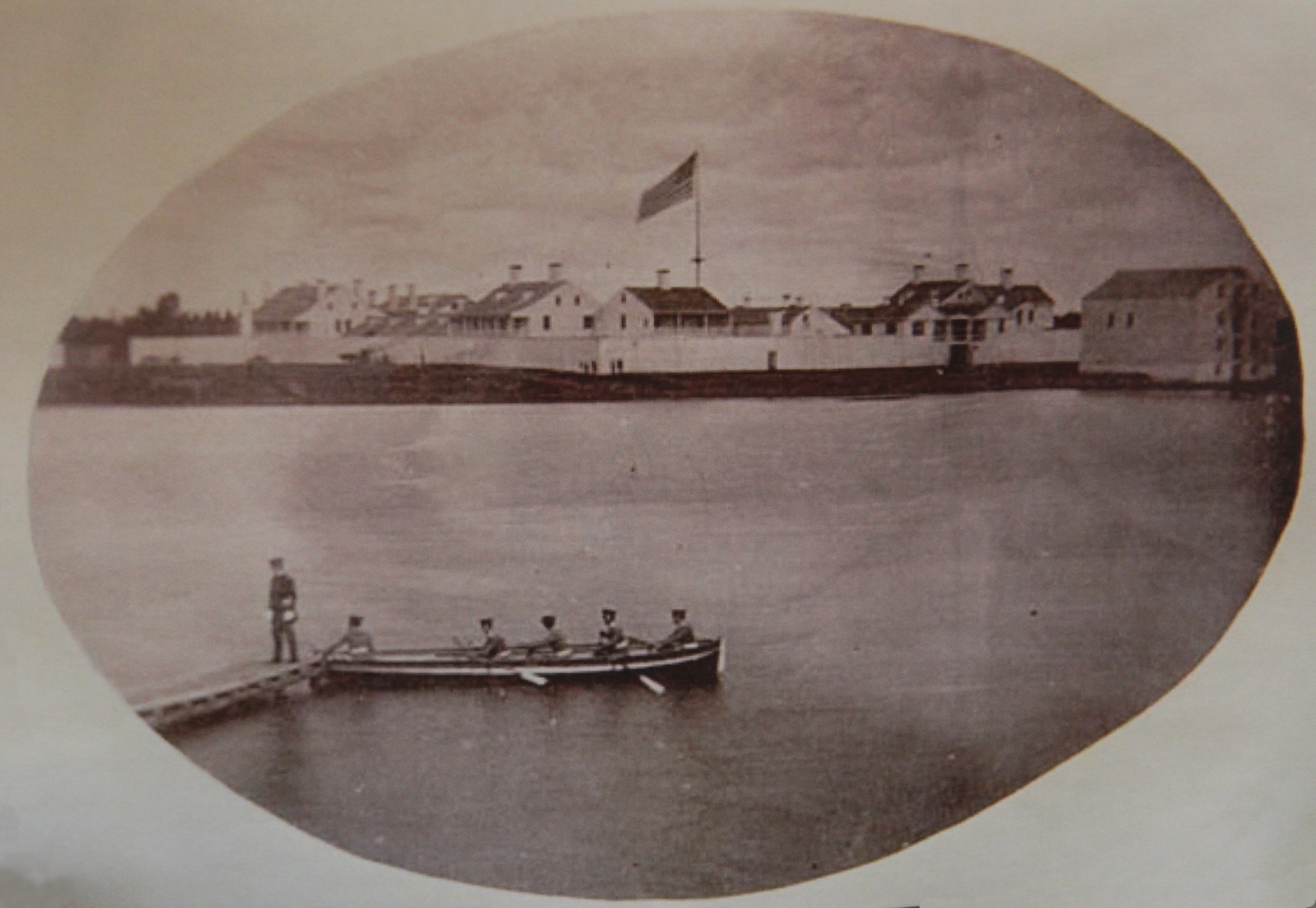
Fort Howard along the Fox River in what would become known as Green Bay, Wisc. is where the treaty was signed on Aug. 25, 1828.
And on this day in 1828, Ho-Chunk, Potawatomi, Ojibwe, and Ottawa leaders signed a treaty with the United States at Green Bay.
The Native leaders had declined a U.S. request to cede additional land.
Instead, the agreement established a temporary boundary amid conflicts over white settlers occupying Native lands for mining.
The United States also agreed to provide $20,000 in goods as compensation for damages caused by the occupation.
Get National Native News delivered to your inbox daily. Sign up for our daily newsletter today.
Download our NV1 Android or iOs App for breaking news alerts.
Check out today’s Native America Calling episode