Podcast: Play in new window | Download | Embed
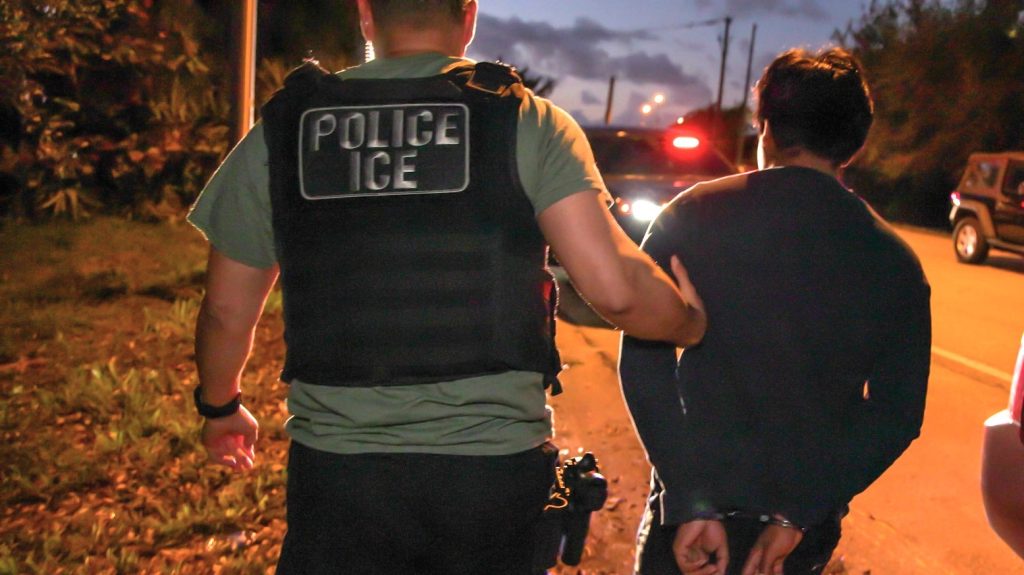
As immigration enforcement actions continue across the country, Indigenous people are increasingly concerned they are being targeted by U.S. Immigration and Customs Enforcement (ICE). And some have been detained.
For the Mountain West News Bureau, Daniel Spaulding has more.
On the morning of December 5, ShyLynn Allen received a panicked phone call from Jose Joaquin Sanchez Alvarado, the father of her children.
Alvarado was driving from his home in Meridian, Idaho to pick up their 10-year-old son to take him to school. Suddenly, he was surrounded by police.
“He called me from inside the car and he’s like, ‘I think,’ he’s like, ‘I think they’re taking me.’ And he was just like, ‘I’m pretty sure.’ He’s like, ‘I’m pretty sure they’re detaining me.”
Allen is a member of the Shoshone-Paiute Tribe in Idaho and Nevada. Alvarado, who is undocumented and not a tribal member, came to the United States from Mexico when he was just 11-years-old.
“He doesn’t have a criminal record. I don’t even know why they’re really targeting him. You know, he’s a good person. He’s not. He’s never been in trouble like he always works like that’s all he does is work.”
Alvarado is now being held in an ICE detention facility near Las Vegas, Nev.
Allen says the emotional toll has fallen heavily on their children.
“Now they don’t even want to go outside or do anything.”
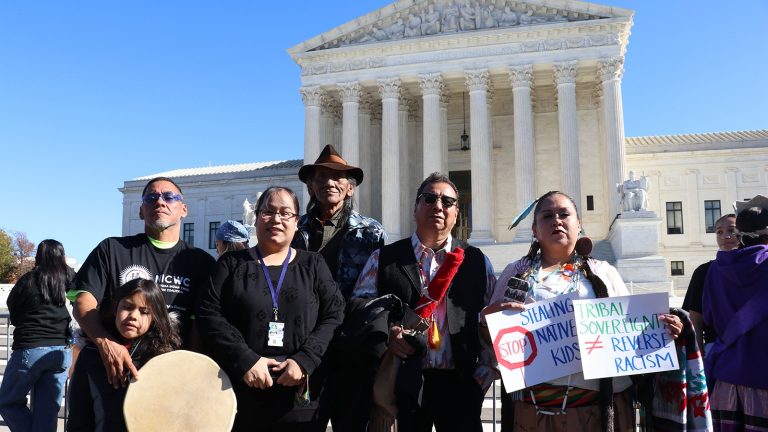
As ICE ramps up operations across the country, that fear is widespread in Native communities. Despite being U.S. citizens and members of sovereign tribal nations, Indigenous people are increasingly being questioned – and in some cases detained – by immigration agents.
In January, Peter Yazzie, an enrolled member of the Navajo Nation, was detained by ICE in Phoenix before being released later that day.
“We are the first peoples of the country, and our citizenship should never be questioned or challenged by anyone.”
That is Crystalyne Curley, the Speaker of the Navajo Nation Council.
In January, the council passed legislation calling on ICE to formally recognize Navajo Nation identification documents.
Many tribes across the country are urging their citizens to carry tribal IDs at all times.
In January, the Native American Rights Fund (NARF) hosted a know your rights webinar. Over a thousand people attended.
Beth Wright (Laguna Pueblo) is a senior staff attorney at NARF.
“Yeah, we’re getting a lot of outreach from folks all over the country. I think there’s a lot of concern about what to do if tribal citizens are stopped by ICE and what their rights are in different encounters with ICE. I think one of the important messages to convey is that tribal citizens are citizens of the U.S.”
But many Native parents are worried that tribal IDs won’t be enough. Eva Flores is a member of the Pascua Yaqui Tribe in Arizona. She lives in Caldwell, Idaho.
“You know, I fear for my kids to go out, even just to school or activities, not knowing if, you know, they’re coming home or if they’re going to be picked up.”
In a statement, the Department of Homeland Security said its agents are trained to determine a person’s immigration status and whether they are subject to removal.
As tribal leaders call on federal authorities to respect tribal sovereignty, parents like ShyLynn Allen are focused on protecting their children.
“We don’t need ICE on our street. They’re only terrorizing brown people. And it’s not doing any good. They’re violating constitutional rights, they’re killing people.”
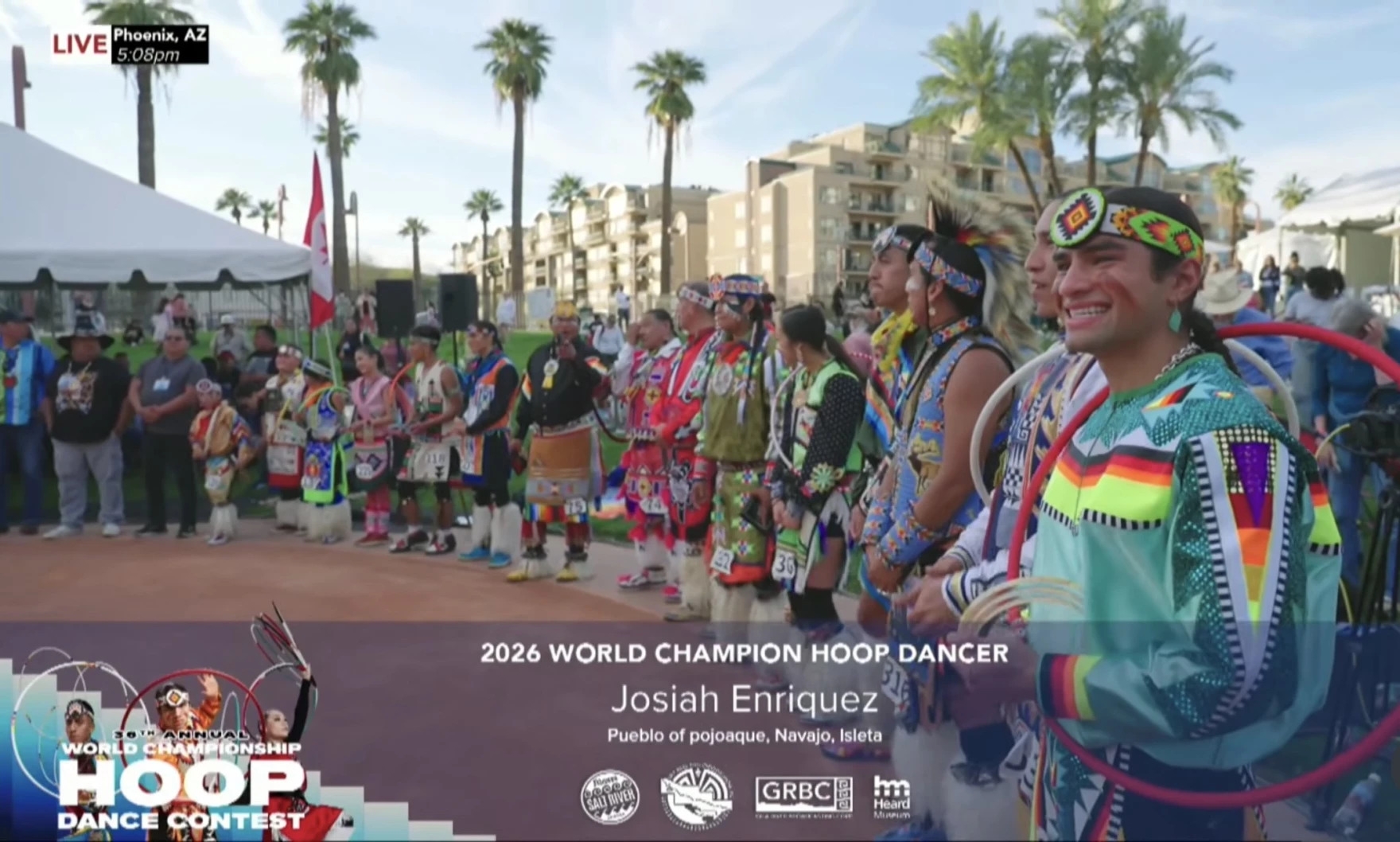
Defending adult division world hoop champ Josiah Enriquez wins his third title in a row at the Heard Museum on February 15, 2026. (Courtesy Heard Museum / Gila River Broadcasting Corporation)
The annual Indigenous hoop dancing championships was held over the weekend, returning to the Heard Museum in Phoenix, Ariz.
As KJZZ’s Gabriel Pietrorazio reports, the reigning titleholder made history by defending his crown once more.
A two point difference – 214 points – a three-time champion, Josiah Enriquez…”
The three-peat adult division champ, who is Navajo and from the pueblos of Isleta and Pojoaque in New Mexico, made history Sunday night.
His victory marks a very rare feat no one else has achieved, except the sport’s most decorated dancer three decades ago.
Arizona’s Derrick Suwaima Davis (Hopi and Choctaw) won three of his record-setting seven world titles in a row between 1996 and 1998.
Get National Native News delivered to your inbox daily. Sign up for our daily newsletter today.
Download our NV1 Android or iOs App for breaking news alerts.
Check out today’s Native America Calling episode
Tuesday, February 17, 2026 – Will limiting commercial trawler bycatch save salmon in Alaska?