Podcast: Play in new window | Download | Embed
Tribal leaders are among those raising concerns about the stability of local mental health and substance abuse services.
That’s after a temporary major cut in federal funding last week, as Chuck Quirmbach reports.
The White House announced roughly $2 billion in cuts to Substance Abuse and Mental Health Services Administration (SAMHSA).
The government said the money no longer aligned with President Donald Trump’s public health agenda. Then, about 24 hours later, and without explanation, the grants were restored.
The HoChunk Nation is one of about 2,000 organizations that would have lost funding.
HoChunk President Jon Greendeer says last week’s cuts, had they held, would have been on top of other reductions announced a year ago, that were only partly restored.
“Those never came back on line completely. Especially those who work closely with the program.”
Greendeer says the Indian Health Service has also lost staff nationwide.
He says the uncertainty not only harms Indigenous communities, which he calls America’s most vulnerable populations.
“It is dealing with the most vulnerable populations within a vulnerable population. We are working on mental health issues, we are working with addiction, domestic abuse and all the, you know, social determinants of health.”
Greendeer says overall, the HoChunk Nation is providing a good level of services, but only after greater partnering with the state of Wisconsin and some nearby counties.
The question for some organizations is whether the Trump administration will try again sometime to make major cuts in federal dollars.

(Courtesy Sitting Bull College)
Indigenous students and families are concerned about rising costs as the U.S. Department of Education resumes wage garnishment for federal student loans in default.
The Mountain West News Bureau’s Daniel Spaulding has more.
The Department of Education started to send notices to borrowers whose loans have gone unpaid for more than nine months.
Employers can withhold up to 15% of disposable income without a court order.
This policy may hit Indigenous communities especially hard. Higher education analysts say that about 40% of Native borrowers default on their federal loans, and many carry balances longer after graduation than other groups.
Nez Perce tribal member Sienna Reuben, who graduated from the University of Idaho in 2021, says wage garnishment adds another financial burden to Native families already stretched thin.
“I feel like student loans obviously come last because are you eating them? Are they feeding you? Are they housing you? Are they doing any of this stuff?”
Reuben also says that Indigenous alumni often have the additional responsibility of supporting family members.
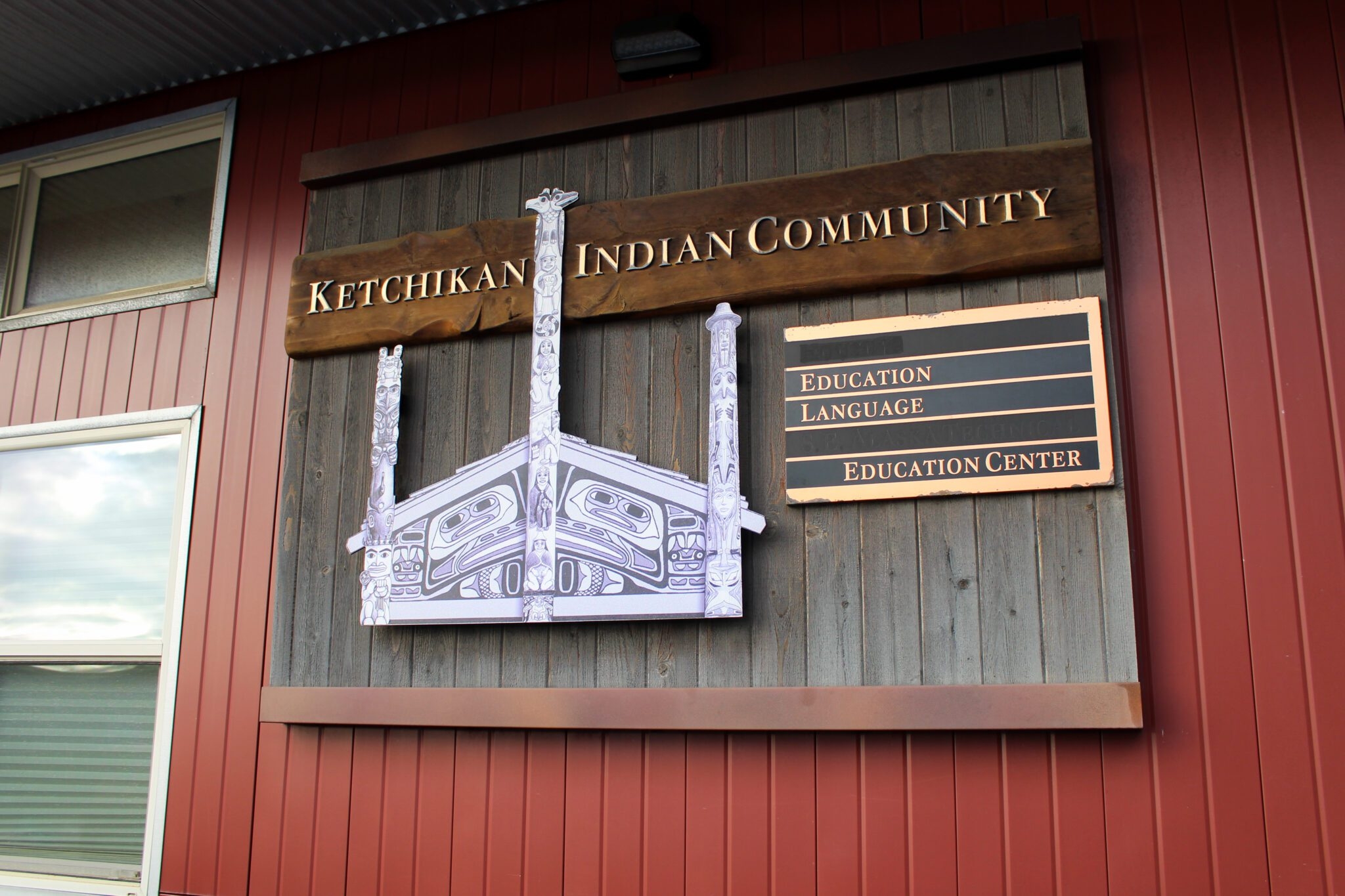
The Ketchikan Indian Community is one of over a dozen tribal governments that have signed onto the new alliance. (Photo: Michael Fanelli/KRBD)
More than a dozen tribal governments have formed the Alliance of Sovereign Tribes of Southeast Alaska.
KRBD’s Hunter Morrison reports.
The new partnership promotes a unified approach to addressing regional tribal concerns while acknowledging each tribe’s individual differences.
Gloria Burns is the president of the Ketchikan Indian Community. She says the new partnership has already improved communication between the region’s tribes.
“And as we communicate, we’re going to partner with each other, and when we partner with each other, then we’re creating real movement and change with each other.”
Albert Smith is the mayor of the Metlakatla Indian Community, the only reservation in Alaska. He says there has not been an established partnership of Southeast Alaska tribes in more than 20 years.
“The importance is just tribes helping tribes, working together for a common goal of the betterment of our region, and Indigenous peoples of our region.”
Other tribal governments in the alliance include the Craig Tribal Association, the Organized Village of Kake, and the Central Council of the Tlingit and Haida Indian Tribes of Alaska.
Get National Native News delivered to your inbox daily. Sign up for our daily newsletter today.
Download our NV1 Android or iOs App for breaking news alerts.
Check out the latest episode of Native America Calling

Leave a Reply