Podcast: Play in new window | Download | Embed
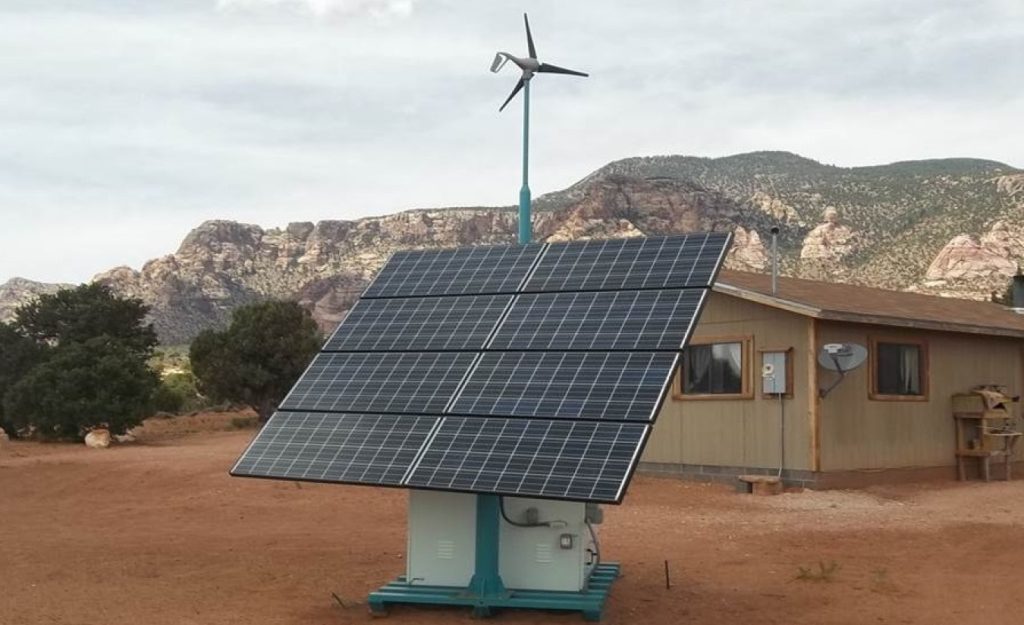
New funding is supporting efforts to help fossil fuel-dependent communities in our region adapt to other forms of energy.
One of the projects will focus on the Four Corners region, including the Navajo Nation and Hopi Tribe.
The Mountain West News Bureau’s Kaleb Roedel has more.
The work is part of an effort led by the nonprofit group Resources for the Future and partner universities.
The Four Corners project is backed by about $70,000 and focuses on a Mountain West region long shaped by coal production and power plants and, lately, rising energy costs.
Daniel Raimi helps lead the initiative. He says the focus is not simply on replacing fossil fuel jobs.
“It doesn’t have to be solar or wind or geothermal or nuclear or anything else. There might be a great opportunity in aerospace, or there might be a great opportunity in some kind of medical sciences, or there might be a great opportunity in tourism.”
He says it is about helping tribal communities build new economic paths — on their own terms.
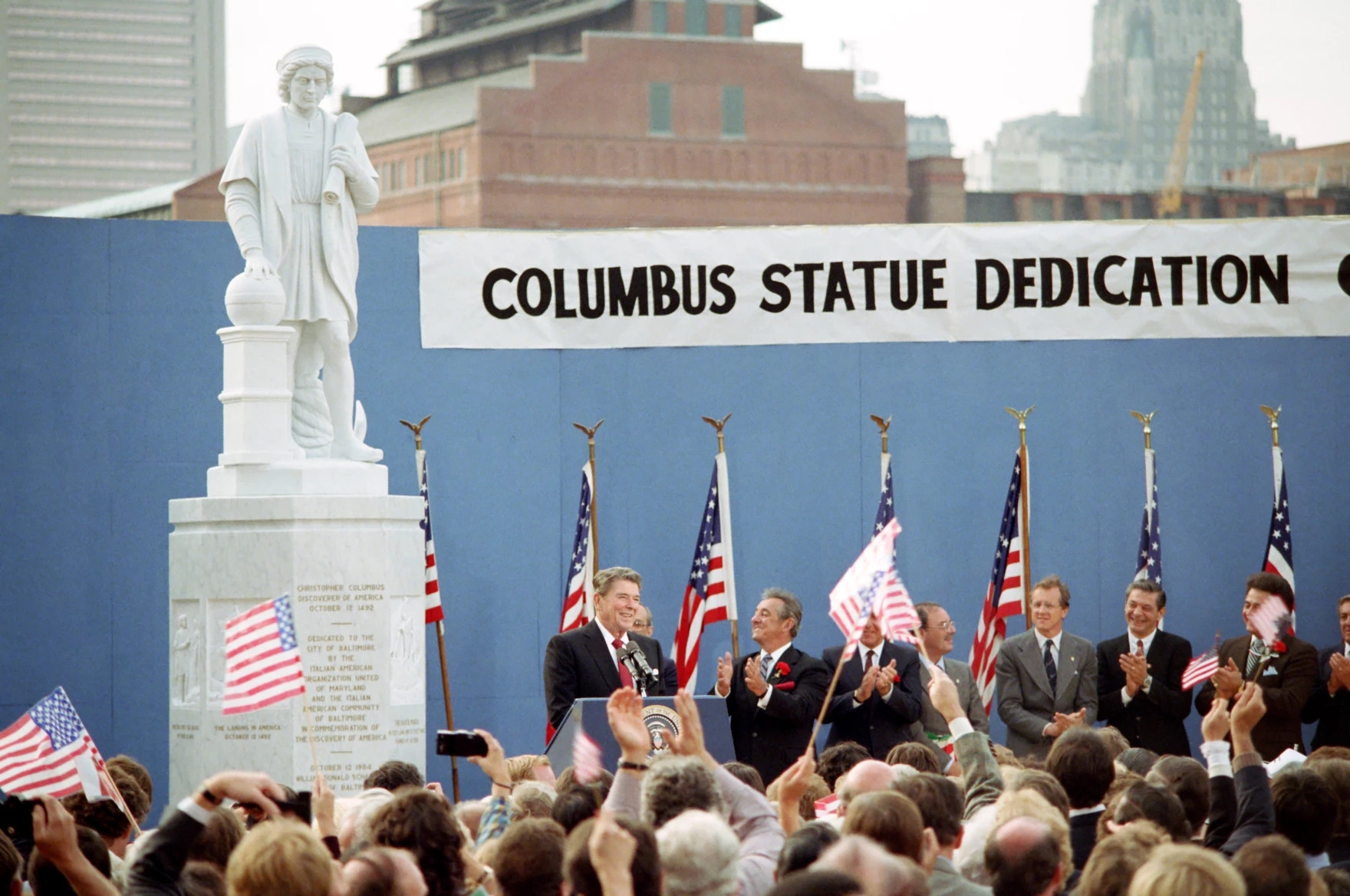
President Ronald Reagan speaking at the Christopher Columbus statue dedication at Baltimore’s Inner Harbor on October 8, 1984. (Public domain)
The Trump administration has placed a one-ton statue of controversial Italian explorer Christopher Columbus on White House grounds.
KJZZ’s Gabriel Pietrorazio has more.
A national Italian American coalition gifted it to President Donald Trump.
The towering 13-foot statue is actually a replica of one first presented by Ronald Reagan to the city of Baltimore. It was toppled by protesters in 2020, but never replaced.
Italian-born Massimo Sommacampagna is part of the national group and president of the AZ Italian American Chamber of Commerce. He says they celebrate Columbus Day as an American civic holiday.
“Not necessarily the individual and the atrocities that he’s been known for in the past.”
Especially against Native Americans. David Martinez is Akimel O’odham and runs ASU’s Institute for Transborder Indigenous Nations.
“I mean he bragged about abusing Indigenous women in his diaries.”
He thinks erecting a statue of Columbus sends a strong message.
“Then you’re saying that all of the historical trauma that colonization inflicted on Indigenous people was worth it.”
Meanwhile, Phoenix and cities across the country are moving swiftly to erase markers of Cesar Chavez, following allegations of rape and sexual abuse.
Martinez believes Americans would feel differently about the Yuma-born labor rights icon if he came to prominence centuries prior.
“If Chavez was 400 years ago, we’d probably be seeing a different reaction right now. More people would be inclined to preserve the historic symbolism of Chavez and ignore the criminal behavior.”
Arizona lawmakers are looking to abolish a state holiday named after him.
Tribal leaders are raising concerns about potential federal cuts that could impact services across Indian Country.
The issue came up during a congressional hearing last week in Washington, D.C., on funding for tribal programs.
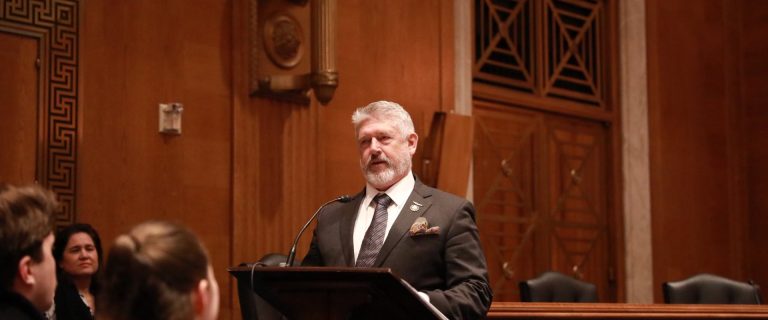
During the hearing, Mark Macarro, president of the National Congress of American Indians (NCAI), says, “Just this week, we learned that the Bureau of Indian Affairs is planning significant cuts to staff critical in administering programs.”
Leaders say those changes could delay funding and disrupt services tribal communities rely on.
Get National Native News delivered to your inbox daily. Sign up for our daily newsletter today.
Download our NV1 Android or iOs App for breaking news alerts.
Check out today’s Native America Calling episode


Leave a Reply