Podcast: Play in new window | Download | Embed
For people experiencing addition, it can help to talk to someone who has been through recovery themselves.
Peer support specialists offer a different kind of support from therapists or psychiatrists.
And in Alaska, there are state certifications for peer support roles, including a special track for Indigenous people with lived experience in recovery.
Alaska Public Media’s Rachel Cassandra has more on peer-to-peer care in the state.
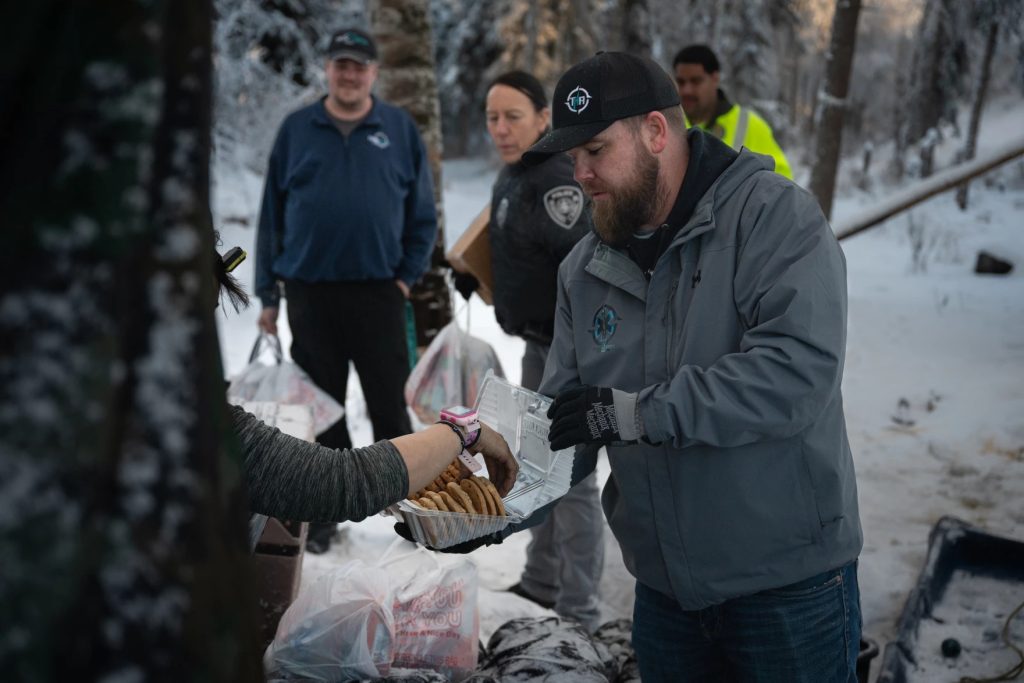
Josh Engle is bundled up on one of the first really cold days in October.
He walks along a forest path to do outreach in an encampment in Anchorage. He approaches a man in a weathered coat.
“How long you been out here on the streets?”
“Too long. Yeah. Yeah.”
Several tents and makeshift structures lean together.
“You connected with any resources?”
Engle is a manager and peer support specialist at True North Recovery – and one of his aims today is to help guide people into recovery.
It’s a path Engle knows well because he’s in long-term recovery himself.
Now he supports people in ways that go well beyond what a more traditional therapist or psychiatrist can do. He may text with clients outside business hours, help them find work or get connected with benefits – anything that supports them in a way that might lead to recovery.
“I personally, really enjoy being able to connect with them on a personal level of someone that has walked their path.”
When patients interact with workers with lived experience, research shows it can aid recovery and can reduce healthcare costs.
Aaron Surma is Executive Director of the National Alliance on Mental Illness (NAMI) in Juneau, which runs training for peer support. And Surma experiences mental illness himself.
He says psychiatrists and mental health professionals play an important role in supporting recovery and treatment, but there is a strong power difference.
“You’re in a small room, you’re making intense eye contact, and the dynamic is that you have the expert and the person who needs help.”
Surma says he was arrested multiple times during high school and was court ordered to go to Alcoholics and Narcotics Anonymous meetings. He says hearing peers in those groups was awesome, but things felt different when talking with his formal providers.
“When I was a teenager, I was lighting stuff on fire and buying garbage bags of weed. So then to go into a small room and talk to somebody who you know, like, imagine the counselor from “South Park” who’s saying ‘Drugs are bad, Mkay?’ And it’s a million miles from what you know.”
He says it’s easier for peers to bridge those gaps in early recovery.
Peer support specialists speak the language of addiction and mental illness and also understand the more traditional language of behavioral health professionals.
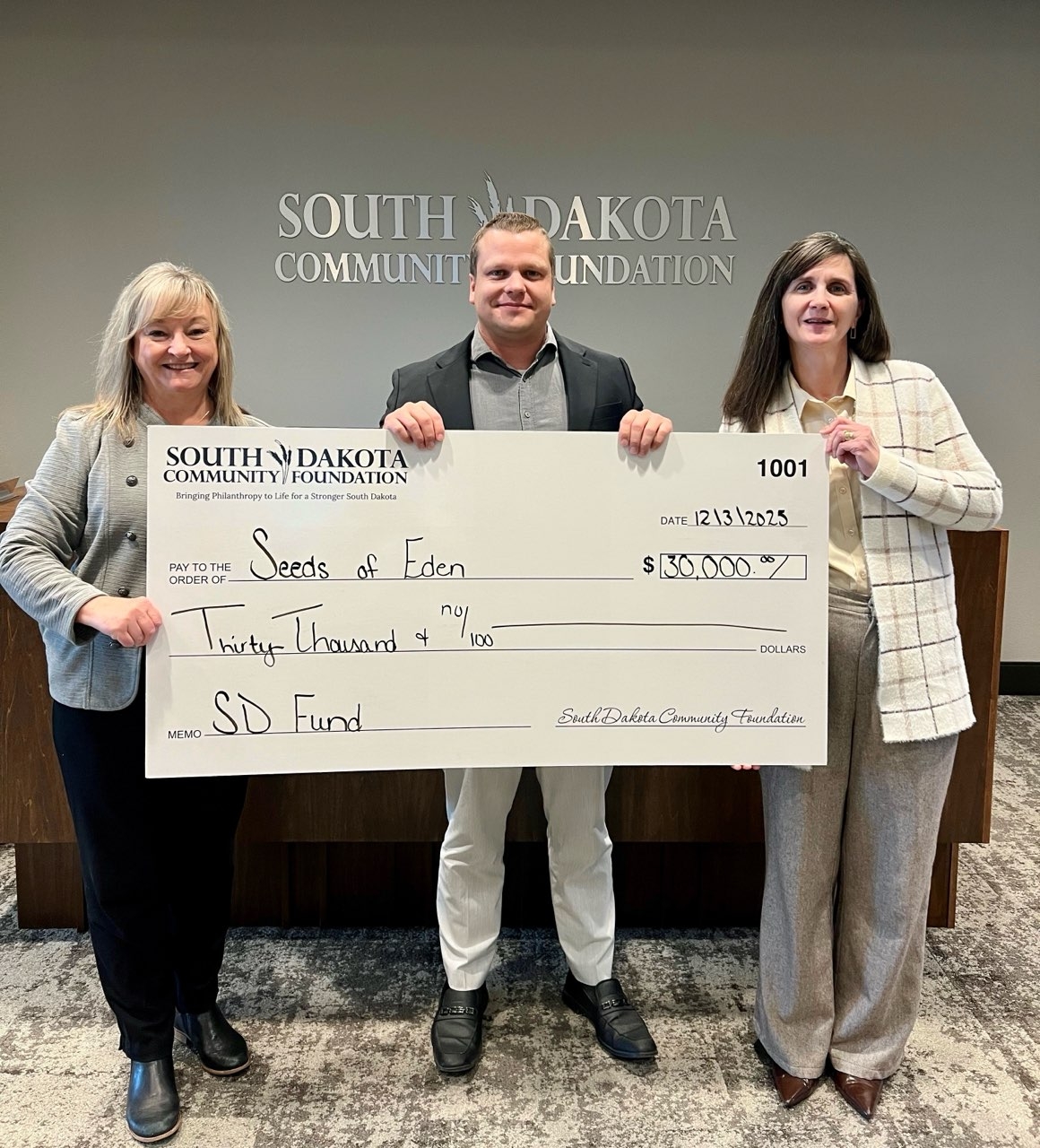 Seeds of Eden, which offers addiction recovery services and community-based behavioral health services, recently received a $30,000 grant from the South Dakota Community Foundation.
The grant will help the organization’s work to provide sober living, peer support, care coordination, and case management, including a project to build a recovery housing facility on the Standing Rock Reservation on the South Dakota side.
The Standing Rock Sioux Tribe straddles the South Dakota and North Dakota border.
Isaiah Keller is one of the co-founders of Seeds of Eden. He says they’re already secured a home, which is being remodel to offer future services.
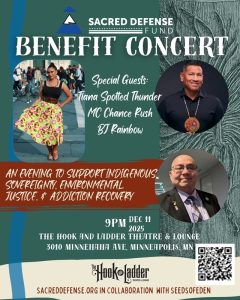
“The house that we have been remodeling is about 90% complete. So, a small portion of the funds that were awarded will go to finish that project, that house and to make it livable and to make it functional.”
Keller says Seeds of Eden was designed to help fill a gap when it comes to addiction recovery services, and he says the group realized there was a need for assistance within tribal communities.
He says they’ve been working closely with the Standing Rock Sioux Tribe, Native American board members, and Native advocates.
“We’ve partnered with a really good ally and advocate. And her name is Bobbi Jamerson. She’s the chairwoman of the Bear Soldier District on the South Dakota side of the Standing Rock Sioux Tribe. And she has been advocating and promoting recovery and community involvement. We’re at a point right now where we feel like we have some great traction and some great movement.”
Keller says they would like to expand services across South Dakota and beyond.
Get National Native News delivered to your inbox daily. Sign up for our daily newsletter today.
Download our NV1 Android or iOs App for breaking news alerts.
Check out the latest episode of Native America Calling