
Podcast: Play in new window | Download | Embed
Top federal prosecutors from the Four Corner states are descending upon the Phoenix metro this week as part of an annual conference meant to tackle crime and justice in Indian Country.
KJZZ’s Gabriel Pietrorazio has details.
A hotel room full of victim advocates, attorneys, and tribal law enforcement personnel congregate in Glendale.
Arizona’s top prosecutor, U.S. Attorney Timothy Courchaine, reminds them why they are all meeting.
“It may sound like priorities are elsewhere in this administration, but all of the U.S. attorneys up here and every member of leadership in the Department of Justice will tell you: Indian Country is always a priority.”
From Phoenix and Albuquerque to Denver and Salt Lake City, Courchaine stresses they are all on the same team.
“If you work with a rural tribe, whether it’s in Utah, Colorado, New Mexico or Arizona, it might feel like you are at the ends of the earth.”
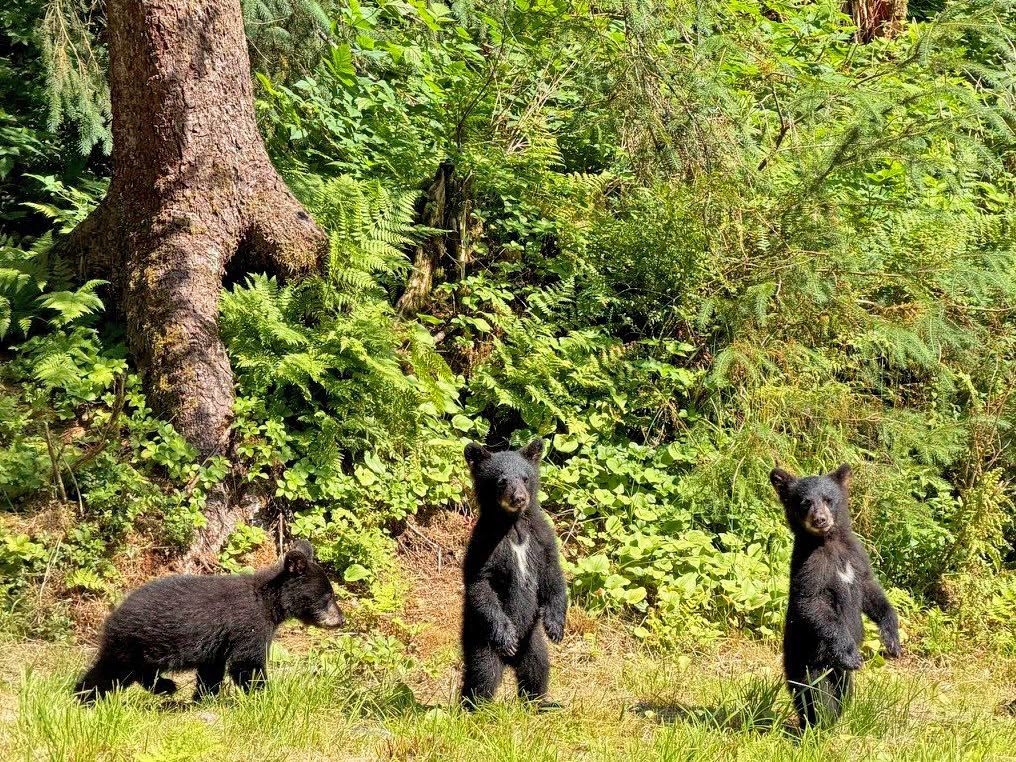
Three cubs belonging to Osso in the Anan Wildlife Observatory at Tongass National Forest. (Courtesy U.S. Forest Service / Facebook)
A major logging project planned for Alaska’s Tongass National Forest is raising concerns about potential impacts to subsistence resources.
The U.S. Forest Service acknowledges the project could affect deer harvests relied on by communities in Southeast Alaska, where the Tongass has long supported Alaska Native cultural and subsistence practices.
Conservationists are now pushing back against plans to log thousands of acres of old-growth forest, as Mark Moran reports.
Conservationists are pushing back on a massive old growth logging plan by the Forest Service that would carve new roads through thousands of acres of Alaska’s Tongass National Forest.
The agency says it will revitalize the logging industry and improve habitat and ecosystems for native species.
The Revilla Integrated Research Project aims to log 4,000 acres of old growth trees in the Tongass near Ketchikan, harvest 83 million board feet of timber, and build more than 40 miles of roadway.
Southeast Alaska Conservation Council’s Nathan Newcomber says the development plan threatens the habitat of a number of animals. He says even the Forest Service has acknowledged the risk.
“Deer, bears, wolves, birds like the Queen Charlie Goshawk. They also state that they acknowledge the significant likelihood of impact to subsistence, including on deer harvest.”
There were at least 120 objections to the plan during a public comment period, but the Forest Service says it intends to begin the work and address legal challenges later.
Southeast Alaska has been transitioning away from clear cutting old tree stands in favor of what’s known as young growth logging, which Newcomber and other environmental advocates support, even though the practice now comprises only about one percent of the region’s economy.
“To go back to this bygone era from the 1970s where you just clear-cut landscapes, it makes absolutely no sense. Nobody supports it apart from extractive industry and politicians. But local communities in Southeast Alaska, they wanna protect what we have. It’s our cultural way of life. It’s the way that people live up here.”
Southeast Alaska is also highly dependent on tourism to support local economies.
Driven largely by cruise ship traffic, the region sees as many as two million visitors a year, according to Alaska’s Southeast Conference.
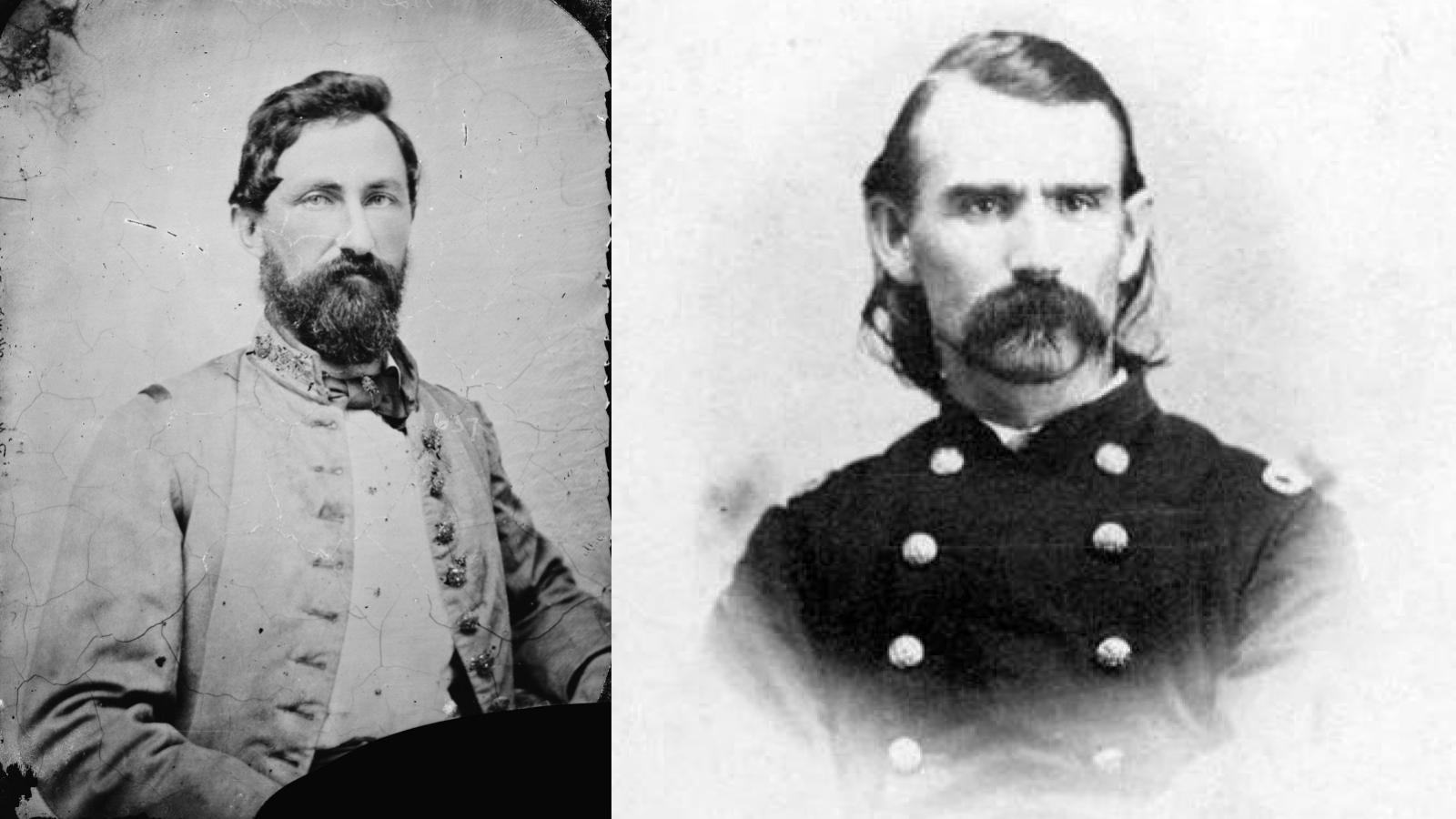
Confederate Brig. Gen. William L.. Cabell, left, and Union Col. William F. Cloud led troops during the skirmish.
And on this day in 1863, fighting broke out near Camp Pike in the Choctaw Nation, in what is now Oklahoma.
The skirmish came during the Civil War, when Indian Territory became a battleground involving Union and Confederate forces.
Camp Pike had been used by Confederate troops following the Battle of Honey Springs, one of the war’s largest battles in Indian Territory.
Get National Native News delivered to your inbox daily. Sign up for our daily newsletter today.
Download our NV1 Android or iOs App for breaking news alerts.
Check out today’s Native America Calling episode
Friday, August 28, 2026 — Two states make progress in Native-focused education



Leave a Reply