Podcast: Play in new window | Download | Embed
Grassroots leaders are celebrating historic victories for Native candidates in Tuesday’s election. They hope Lt. Gov. and U.S. Sen.-elect Peggy Flanagan (White Earth Band of Ojibwe), D-Minnesota, will bring her state and the nation a specific type of leadership allies say is sorely needed.
Mike Moen reports.
Flanagan, and Mary Peltola (Yup-ik) if she wins her race in Alaska, will be the first Native women to serve in the U.S. Senate.
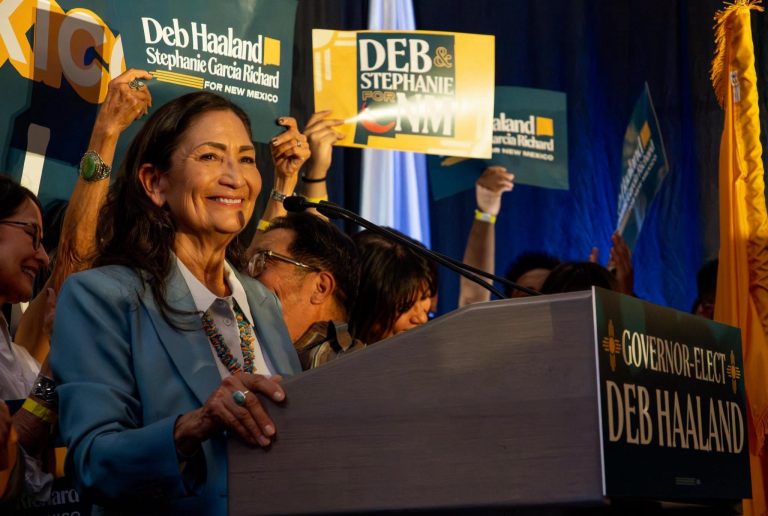
Former U.S. Interior Secretary and Gov.-elect Deb Haaland (Laguna Pueblo), D-New Mexico, will be the first Native woman to lead a state government.
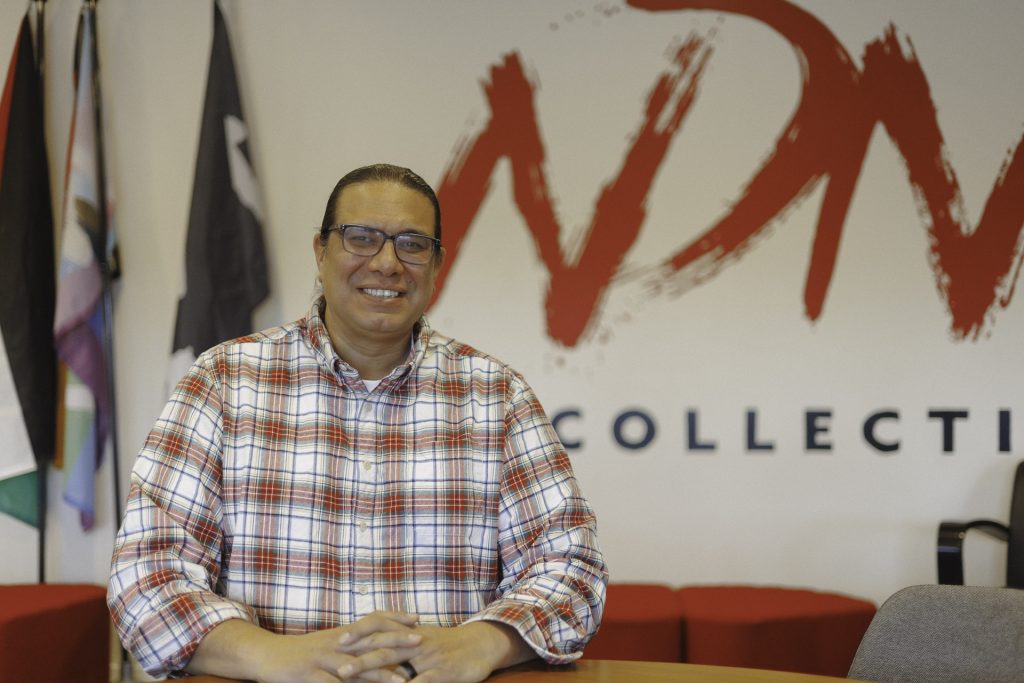
Wizipan Garriott of the advocacy group NDN Collective says he thinks these women bring a unique skillset.
“Indigenous women have always been protectors, caregivers of not only, you know, Native Americans, but of the country. And it’s hard to imagine two people who are more qualified.”
As the nation deals with quality-of-life crises, Garriott predicts these officeholders will bring that caring mindset to needs like healthcare affordability.
Flanagan and fellow Democrats have said they would like to restore funding to federal food assistance and Medicaid that was cut in last year’s tax-and-policy law pushed through by Republicans.
It is unclear how successful they will be with President Donald Trump still in office and without a veto-proof majority.
As lieutenant governor, Flanagan helped usher in policies that bolstered relationships with regional tribes.
Garriott says that experience is crucial for transitioning to the U.S. Senate and the decisions it makes that affect tribal sovereignty.
“You hear people campaign and talk about saying, you know, ‘I’ve been a doctor. I know firsthand what it takes to make healthcare better.’ Well, we’re talking about a leader who’s grown up Native American, who understands what it’s going to take to really live up to those treaty and trust obligations.”
Flanagan previously served on the Minneapolis School Board and led the Children’s Defense Fund-Minnesota before ascending into elected roles in state government.
Her supporters say those experiences also align with past generations of Native women who fought for better community outcomes.
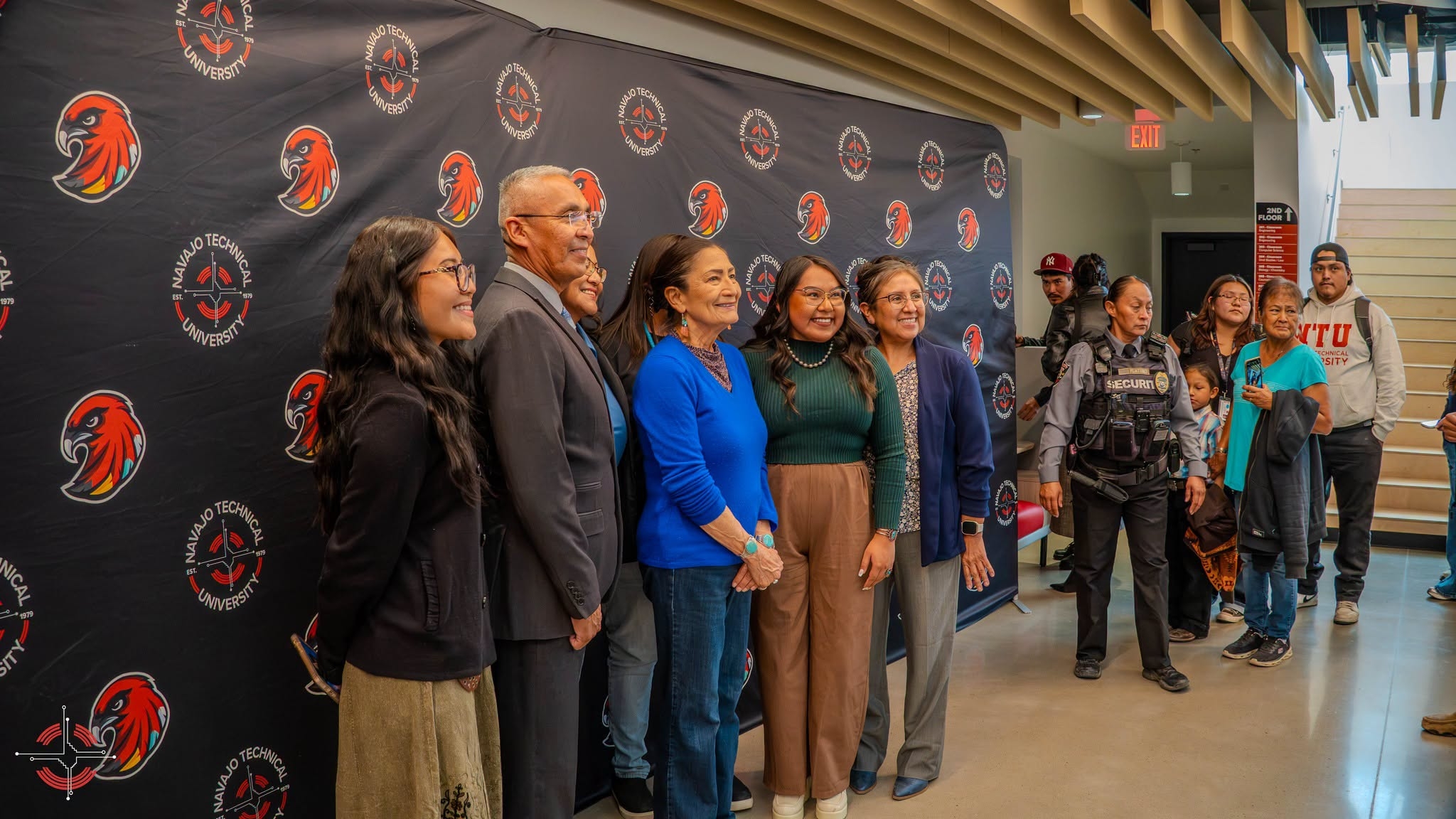
Gov.-elect Deb Haaland (Laguna Pueblo), D-New Mexico, held a meet-and-greet at Navajo Technical University’s main Crownpoint Thursday. (Courtesy NTU)
Two months after noting a drop in financial support, the American Indian College Fund has received a $70 million contribution from a major Amazon shareholder. Roz Brown reports.
The “unrestricted” grant from Yield Giving was made on behalf of Mackenzie Scott, who helped launch Amazon in 1994 and received a 4% stake as part of her divorce settlement with Jeff Bezos in 2019.
The gift comes just months after funding for the nonprofit faltered following the COVID pandemic.
College Fund President Cheryl Crazy Bull says the gift lets the organization expand scholarships for students attending tribal colleges and universities.
“They are among the most responsive institutions when it comes to aligning their curriculum with tribal and local and even regional priorities for education.”
Crazy Bull says the financial gift gives TCUs more flexibility to fine tune their programming and curriculum as they evaluate the needs of surrounding communities.
It is estimated about 15% of Indigenous people hold a college degree, which is less than half the national average.
Financial support is a major hurdle for many students.
The Navajo Technical University – with campuses in New Mexico and Arizona – stands to benefit from the financial gift.
President Elmer Guy says students working toward their degrees actively engage to find solutions to problems – from clean water to the manufacture of renewable batteries.
“Hoping that with that knowledge you work with the Navajo Nation and maybe the Navajo Nation can develop a manufacturing plant to produce renewable batteries for electric vehicles that is safe, is lighter, and lasts longer.”
He hopes those who graduate from TCU’s will become professionals in their own Indigenous communities.
“You work with them, you prepare them the best you can, and then they go on. And hoping that when they graduate, they’ll come back and help their communities.”
Navajo Technical University offers a wide range of degrees, from trade certificates and associate degrees to bachelor’s, master’s, and doctoral programs across multiple academic programs.
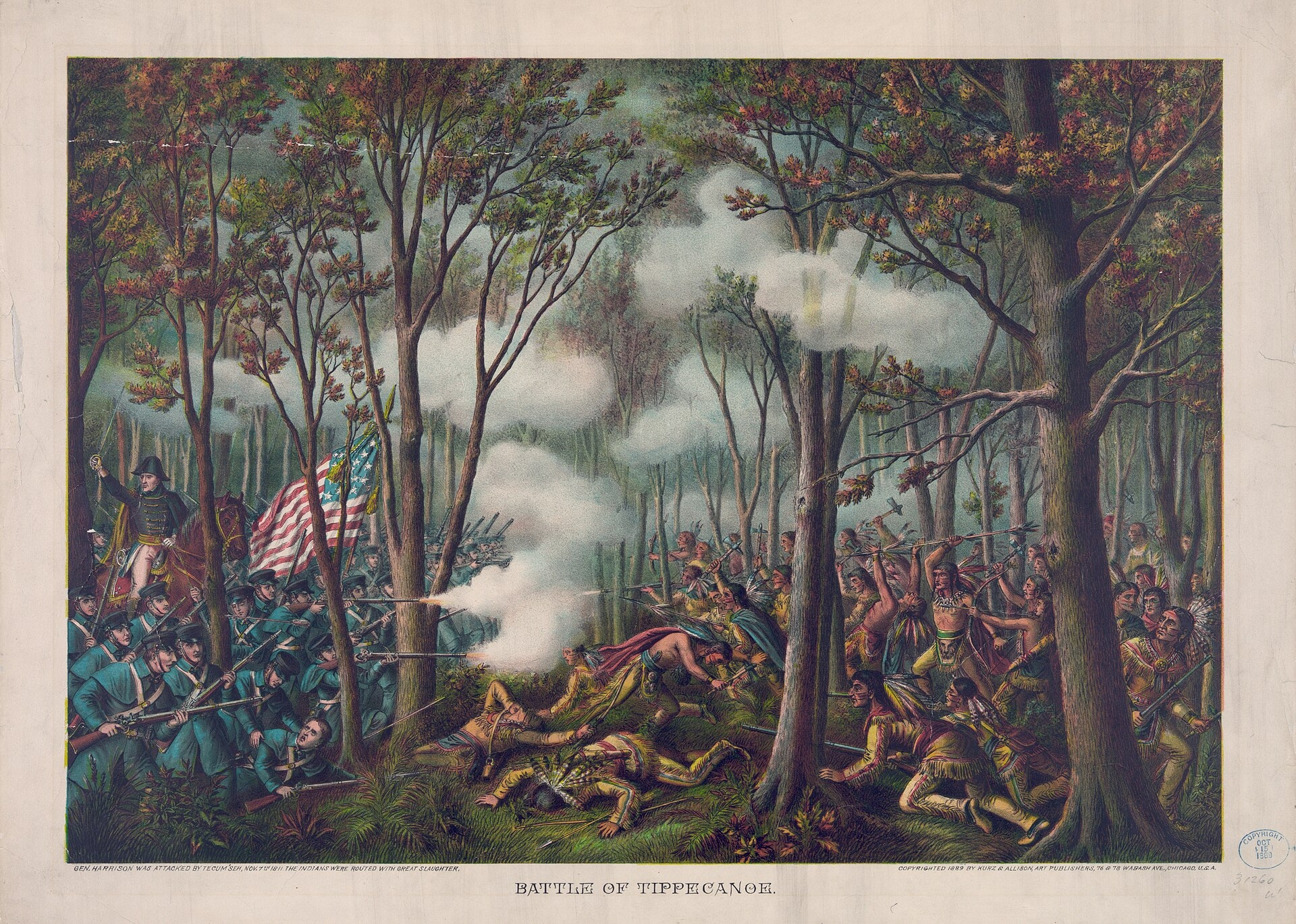
“Battle of Tippecanoe” by Louis Kurz in 1889.
And on this day in 1811, U.S. troops led by William Henry Harrison arrived outside Prophetstown in present-day Indiana.
The settlement was a center of Native resistance led by Shawnee brothers Tecumseh and Tenskwatawa, who opposed the loss of tribal lands.
The following morning, fighting erupted in what became known as the Battle of Tippecanoe.
American forces later destroyed the settlement.
Get National Native News delivered to your inbox daily. Sign up for our daily newsletter today.
Download our NV1 Android or iOs App for breaking news alerts.
Check out today’s Native America Calling episode
Friday, November 6, 2026 — Native Playlist: Def-i and Tall Paul

Leave a Reply