Podcast: Play in new window | Download | Embed
An oil and gas lease sale is scheduled in Alaska’s Arctic National Wildlife Refuge (ANWR) for June.
The auction of drilling rights is mandated in federal law, but also reflects the Trump administration’s commitment to promoting energy development in the state.
The response from Indigenous residents that live in or near the refuge is mixed, as the Alaska Desk’s Alena Naiden from our flagship station KNBA reports.
The U.S. Bureau of Land Management (BLM) announced this month it will hold a lease sale in the nation’s largest wildlife refuge, in the northeastern corner of Alaska.
The piece of ANWR that has been the subject of passionate dispute for decades is the Coastal Plain, a swath along the Beaufort Sea that potentially has oil and gas reserves.
The only community within the refuge is Kaktovik, an Iñupiaq village of about 300 people.
Kaktovik Mayor Nathan Gordon Jr. says resource development in the refuge means economic opportunity because the regional government, the North Slope Borough, taxes oil and gas companies.
“The taxes that come from the development pay for our schools, our water system, our sewer system. It pays for everything that has meaning in our lifestyle and protection and safety.”
ANWR provides habitat for migratory birds and polar bears. And the Coastal Plain specifically is the calving grounds for the Porcupine Caribou Herd.
Gordon says he believes development within the refuge will not interfere with wildlife.
“With restrictions in place, it’s already set in stone for us to have safe development with our animals.”
But opponents of the project are concerned that gravel roads, drilling, and seismic exploration can harm caribou, especially during their vulnerable calving period.
The Gwich’in community of Arctic Village is located right outside ANWR to the south.
Faith Gemmill lives in Fairbanks, but is from Arctic Village and has family there.
“Imagine oil development in their core calving area. It’s going to … devastate our herd.”
Gemmill says caribou support food security, culture, spirituality, and economy for Gwich’in people, including the future generations.
“Our way of life is reliant on the caribou. So in my opinion, (President Donald) Trump’s incessant drive to drill in this area is a form of cultural genocide of the Gwich’in.”
If the upcoming lease sale is successful, it could still take years for a project to break ground.
Additional reporting from Alaska Public Media’s Liz Ruskin
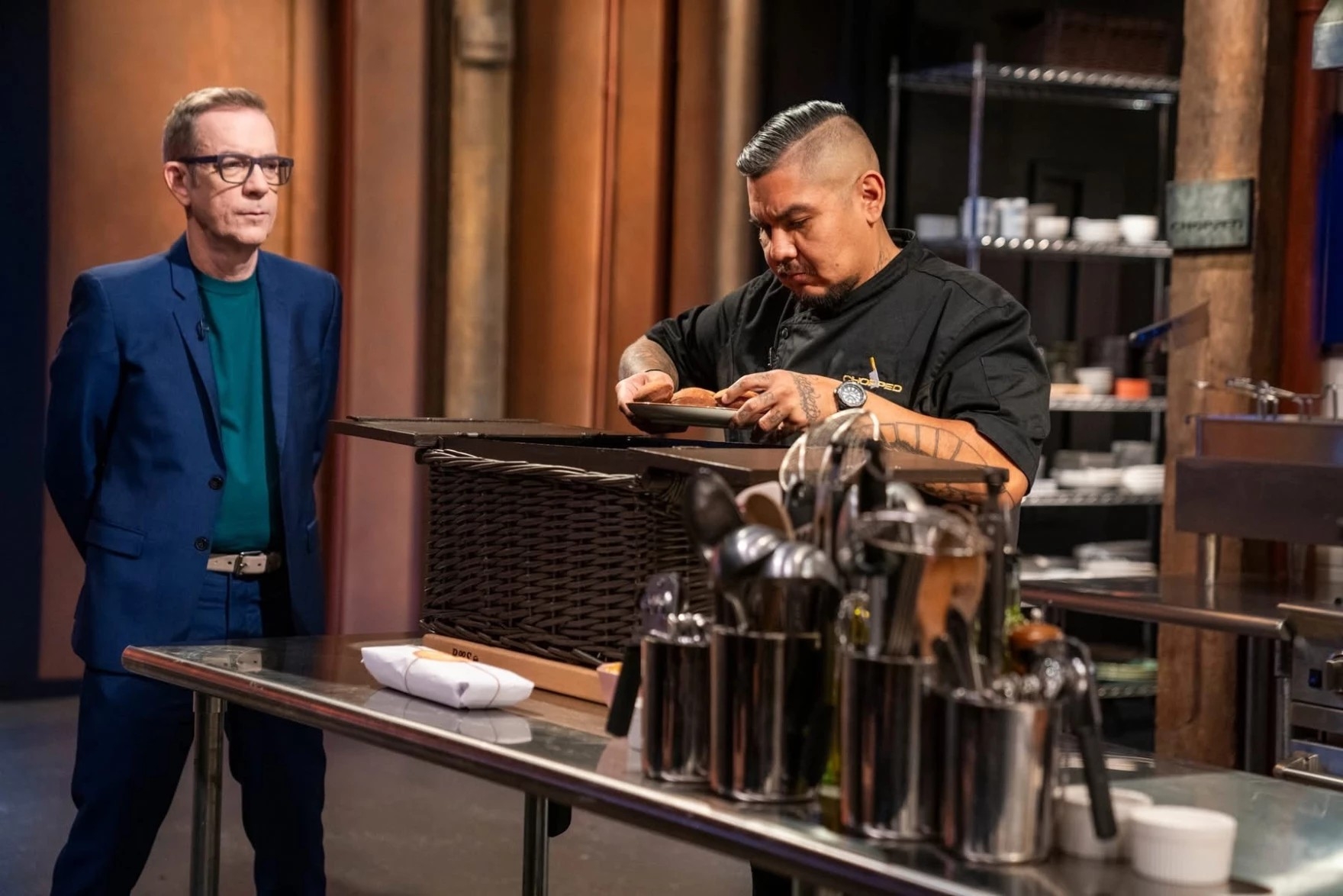
Diné chef Justin Pioche, right, inspects ingredients as “Chopped” host Ted Allen watches during an episode from April 21, 2026. (Courtesy Food Network)
“Chopped” is a Food Network show where four chefs compete in a race against time to make a three-course meal.
The latest episode aired Tuesday night and featured an all-Indigenous lineup.
As KJZZ’s Gabriel Pietrorazio reports, a Navajo chef took the honors.
From Chicago to Montana, Indian Country’s top cooks vied for the “Chopped” title, but two of them repped the Southwest including Chef Ray Naranjo, who comes from the Santa Clara Pueblo just north of Santa Fe, N.M.
Justin Pioche lives on the Navajo Nation.
The 2023 James Beard finalist for Best Chef in the Southwest co-owns Pioche Food Group, a high-end catering company.
He plans on using the $10,000 cash prize to help pay for his own brick-and-mortar restaurant.
Get National Native News delivered to your inbox daily. Sign up for our daily newsletter today.
Download our NV1 Android or iOs App for breaking news alerts.
Check out today’s Native Aerica Calling episode