Podcast: Play in new window | Download | Embed
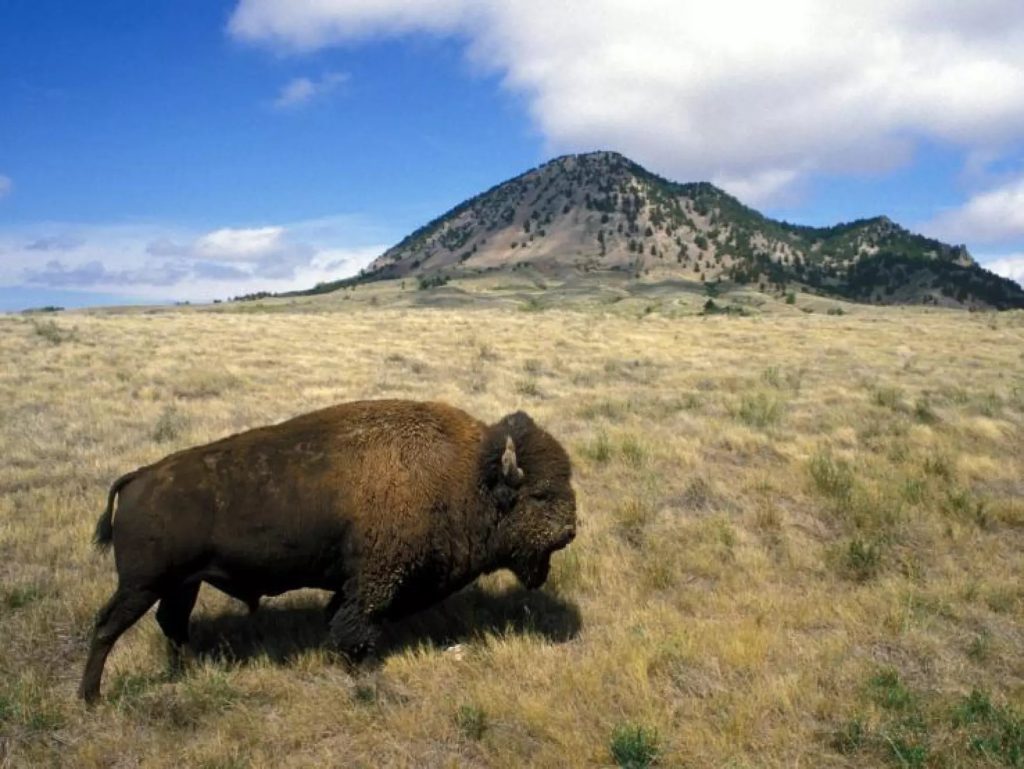
Photo: Bear Butte State Park in Meade County, S.D. (Courtesy S.D. Department of Tourism)
All nine tribes located in South Dakota are unifying in their call to return the public, federal lands in the Black Hills to tribal entities.
Each tribe passed a resolution calling on Congress to act.
SDPB’s C.J. Keene reports.
Treaty rights mandate the Black Hills belong to tribes, although that treaty was broken long ago.
The most important detail in this new legislative push is the focus on public, federal lands. Put simply, places where people do not live.
Valeriah Big Eagle is the director of He Sapa initiatives for Rapid City, S.D.-based nonprofit NDN Collective. She says this is not about private homes in the Black Hills.
“That’s the myth, that’s the misunderstanding. When they’re talking about landback in the Black Hills and we’re talking about the federal public land, essentially that is the lands that nobody is living on. It’s the federal, public lands so we can protect it from extractive activities.”
Regardless of outcome, advocates say the inclusion of all South Dakota’s tribes is a historic statement of tribal unity.
Joseph Brings Plenty is a tribal council representative from Eagle Butte. He says tribes have government-signed and guaranteed rights.
“That’s something that needs to be remembered – the treaties still exist. That’s why we stand on this. For the United States to uphold their end of the bargain.”
Brings Plenty says it is a chance for Native peoples to have a meaningful say in the management of the Black Hills. With that, Brings Plenty says healing can happen.
“That’s a step forward, a positive step forward. The Black Hills are not for sale. I mean, it’s not just in a Lakota or Indian sense. We all want clean water, we all want the air to be clear, we all want housing and grandchildren. We all want a life. The more and more, as is inevitable, the cultures mesh, I think this is all important. Why lose it?”
This comes on the heels of a mining effort near the Black Hills sacred site of Pe’Sla, that was ultimately defeated in court following widespread opposition from the Indigenous community.
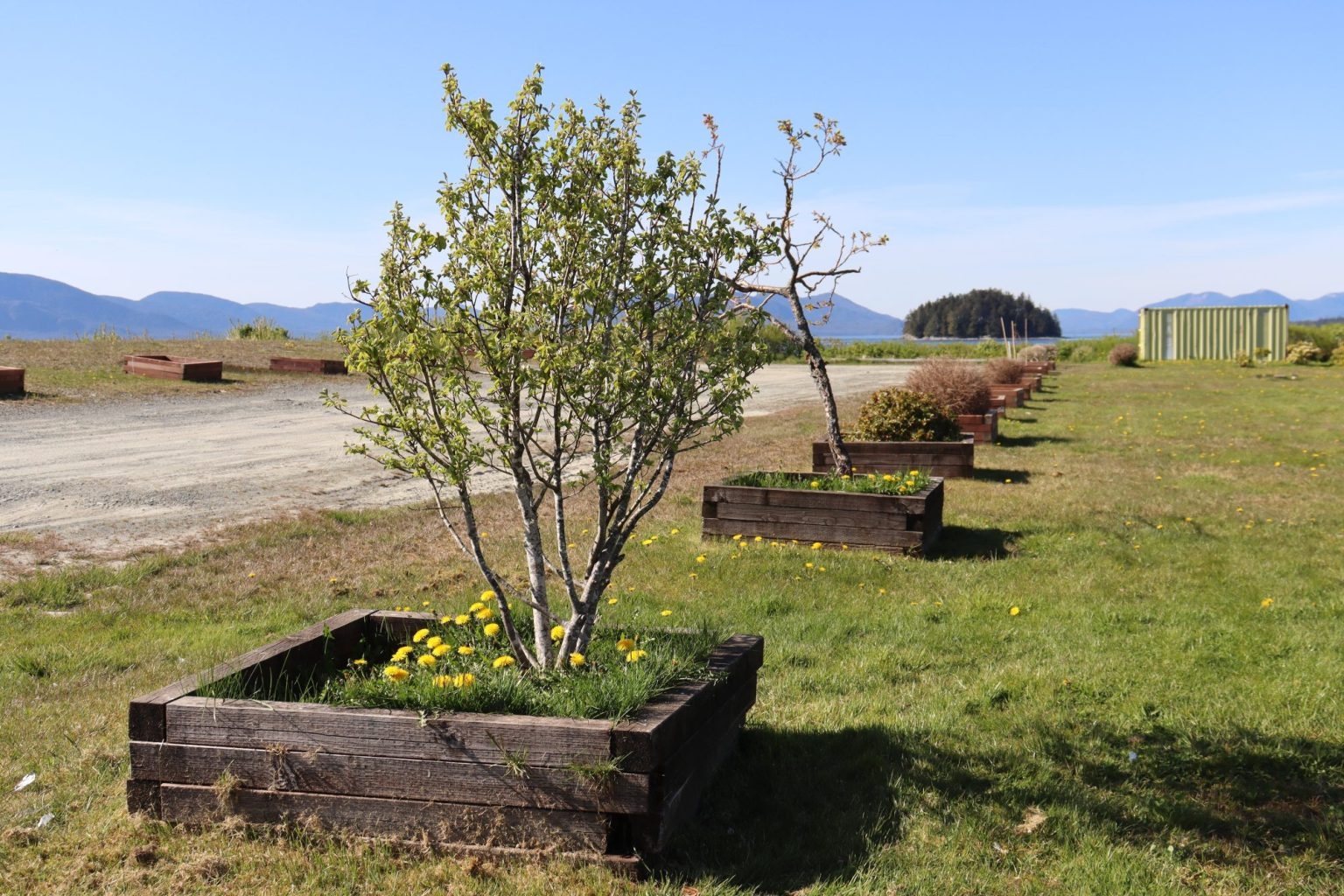
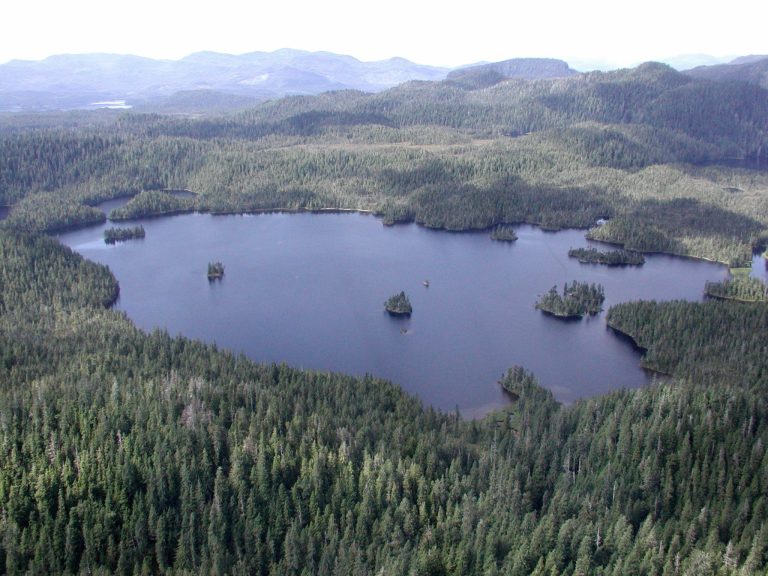
Fruit-bearing trees and shrubs line a soon-to-be park near Metlakatla’s boat harbor. The plants are part of the village’s Community Food Forest Project. (Photo: Hunter Morrison / KRBD)
For many communities in rural Alaska, accessing fresh fruit can be challenging.
Most of it is shipped in from out of state, and often loses flavor and more along the way.
But a program in Metlakatla, on Alaska’s only Native reservation, is looking to change that.
As KRBD’s Hunter Morrison reports, it’s one way the small village is trying to combat food insecurity.
Near Metlakatla’s boat harbor, Gatgyeda Haayk, the village’s Community Garden Champion, strolls past a row of shrubs and small trees, which rustle with the wind.
“And then those two down on the end, I believe, are cherry.”
The soon-to-be budding cherry trees, planted last year, were brought to the village as part of its Community Food Forest Project.
The initiative incorporates fruit-bearing trees and bushes into the village’s public landscapes.
So far, Haayk says about 50 plants have taken root around town.
“In like the next three years, we hope to be able to give fruit back to the community.”
The program comes after Metlakatla’s tribal council passed a resolution a few years back that required all beautification efforts in the community to be edible. Not long after, the village received a three-year grant from the U.S. Forest Service to fund the project.
She says the project has primarily worked with apple trees, but they have also planted plum and nectarine trees.
The initiative also deals with plants native to the region, like raspberries, gooseberries, and saskatoon berries.
And increasing access to fresh fruit is important, because it is so limited in the village. There is just one grocery store on the island, and the vast majority of the produce comes from out of state.
“I am hoping that the community utilizes this, and then it also inspires other communities to kind of do the same thing, so that we don’t have to rely on the Lower 48 so heavily on our food.”
While most of the program’s trees and bushes are still young, Haayk is focused on educating the village about the project. She noted that once the plants begin to bloom, community members can harvest the fruit free of charge — with the exception of the village’s main community garden.
“It’s astounding how much food gets wasted, and it’s really a shame, because that’s a lot of energy that goes into that little piece of food.
Get National Native News delivered to your inbox daily. Sign up for our daily newsletter today.
Download our NV1 Android or iOs App for breaking news alerts.
Check out today’s Native America Calling episode