Podcast: Play in new window | Download | Embed
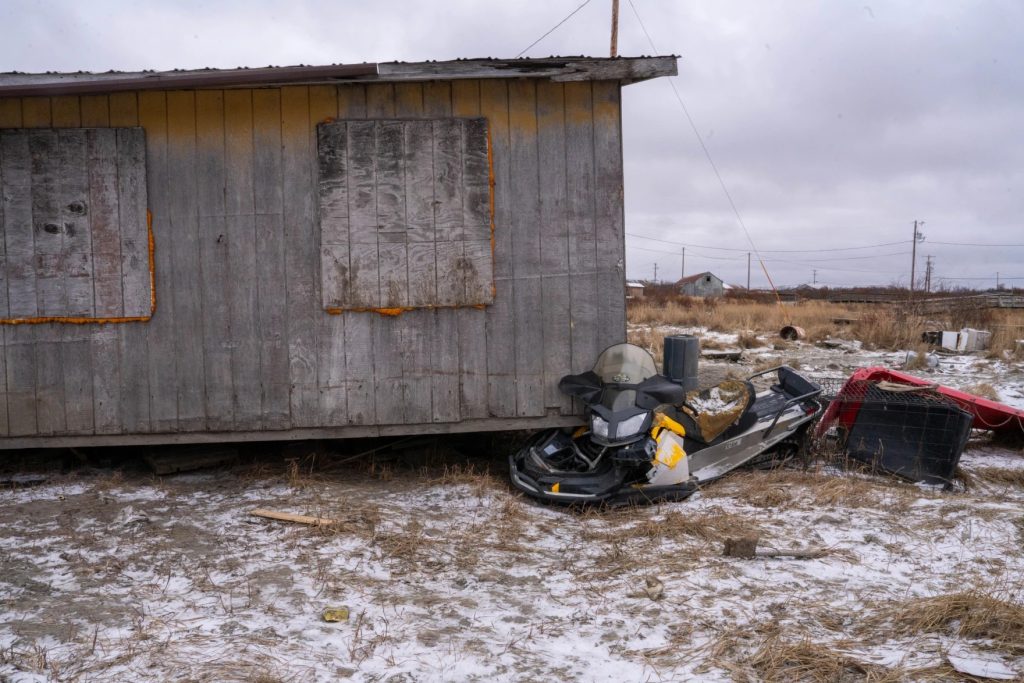
Photo: A house floated by floodwaters during ex-Typhoon Halong rests on top of a snowmachine in Tuntutuliak on October 22, 2025. (Gabby Salgado / KYUK)
The State of Alaska is working with the Federal Emergency Management Agency (FEMA) and other agencies to collect what are known as Right of Entry forms from households impacted by ex-Typhoon Halong, as KYUK’s Evan Erickson reports.
The form is required for getting certain types of assistance with winterization and debris removal.
It allows authorized recovery agencies to enter properties to inspect, document, and complete recovery work.
Completing the form does not guarantee that work will be performed.
The form is for households both that may need or have already received assistance in the forms of emergency winterization of storm-damaged homes; temporary weatherproofing or securing openings; moisture control or minor temporary repairs; limited heat or fuel-related stabilization; and/or certain types of private property debris removal.
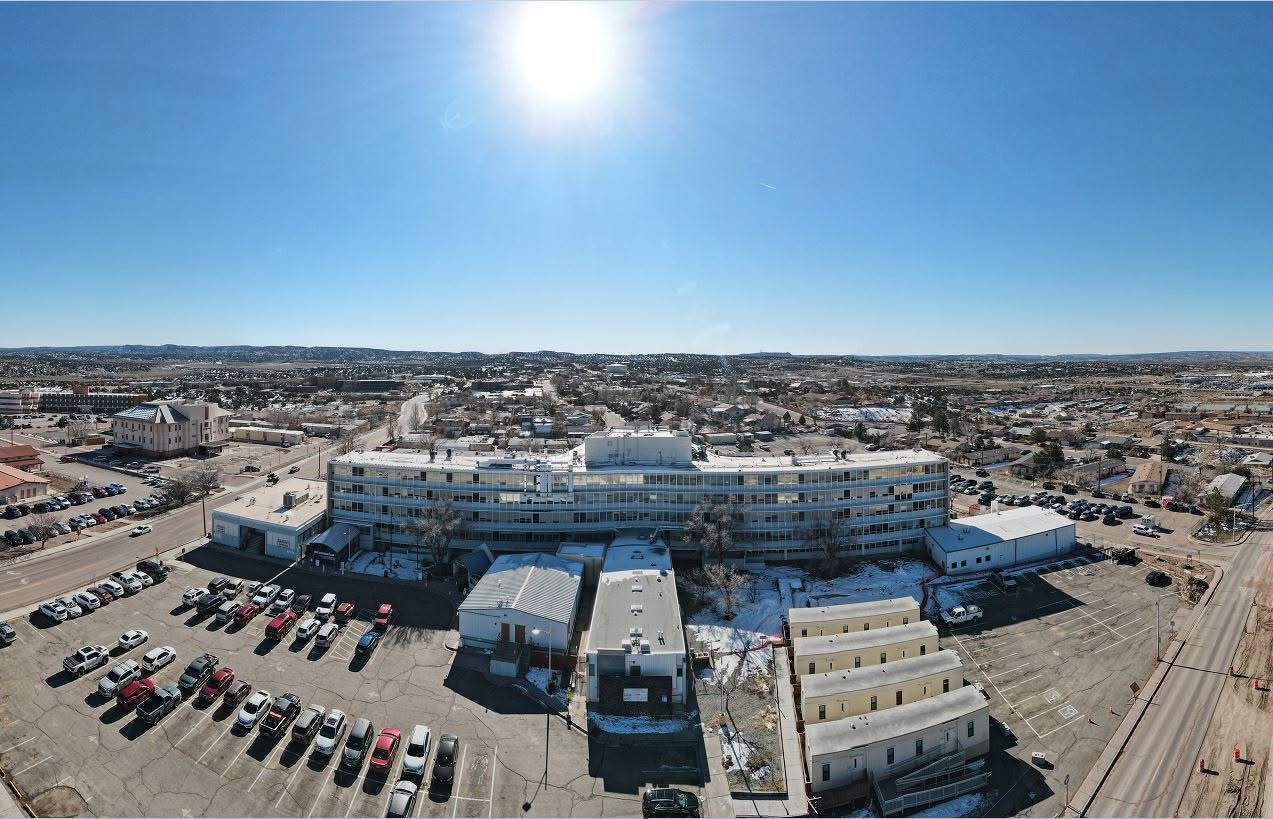
Gallup Indian Medical Center. (Courtesy Gallup Indian Medical Center / Facebook)
The Navajo Area Indian Health Services and the New Mexico Department of Health (NMDOH) have signed a memorandum of agreement to support rural health initiatives through data sharing.
KUNM’s Jeanette DeDios (Jicarilla Apache and Diné) has more.
Dr. Laura Parajón, director of the Center for Health Protection at NMDOH, says the coordination between the state and the Navajo Nation is crucial.
“It’s important that Navajo Nation has the same access to high-quality data that we do, that they get similar data that allows Navajo Nation themselves to conduct their own analysis, and that they can design their own culturally meaningful public health interventions for themselves.”
The agreement is a first step in partnership between state and tribal public health departments to make sharing information easier and filling gaps in data.
It will help better identify unmet needs, coordinate care, and monitor outcomes.
NMDOH Tribal liaison Janet Johnson (Santa Clara Pueblo) says tribal leaders need to be able to access data instantly, such as a system used to track sexually transmitted diseases, including HIV.
“And that will help Navajo Area Indian Health Service support their public health surveillance, and give them again that real-time access to see where these outbreaks are occurring, what they need to do and again with our support to be able to better address any issues and concerns that are affecting their populations.”
The current agreement does not include any state appropriations.
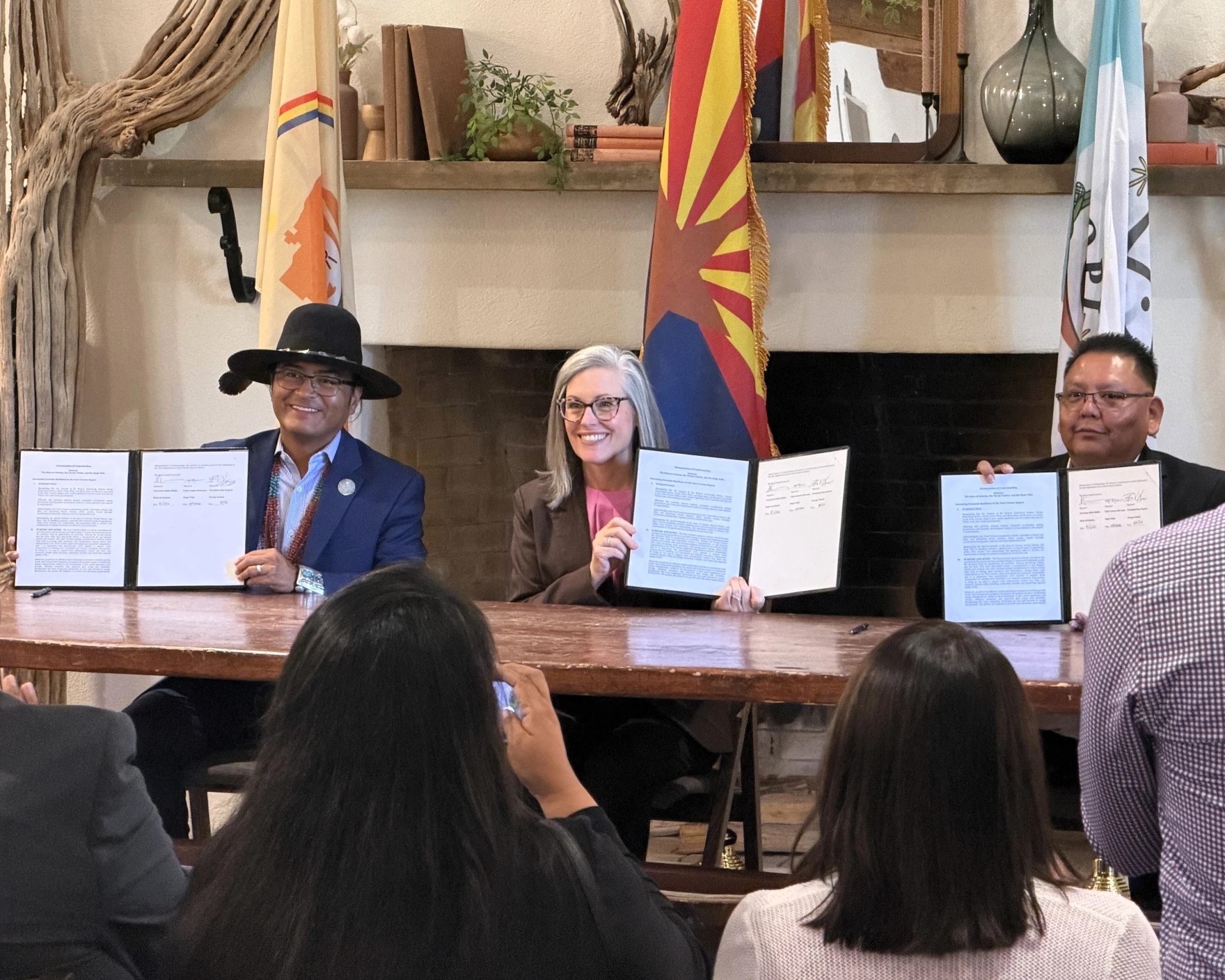
Navajo Nation President Buu Nygren, left, Gov. Katie Hobbs, and Hopi Chairman Lamar Keevama sign a memorandum of understanding for coal-impacted communities at the Desert Botanical Garden on August 11, 2026. (Photo: Connor Greenwall)
Gov. Katie Hobbs (D-AZ) announced an economic agreement Tuesday with northern Arizona tribal leaders. It is meant to bolster the Four Corners region – at a time when the coal industry is in decline.
KJZZ’s Gabriel Pietrorazio has more.
The Memorandum of Understanding is between the Navajo Nation, Hopi Tribe, and the state – all of which are vulnerable to coal mines and power plants shutting down.
That includes the Four Corners plant, which could close by 2031.
The Navajo-owned company that fuels the aging facility recently announced plans to extend the life of a massive coal mine by more than a century, but with coal giving way to cleaner, more efficient fuels, state, and tribal leaders are coming together to ink a five-year commitment to track closures and promote the wellbeing of coal miners.
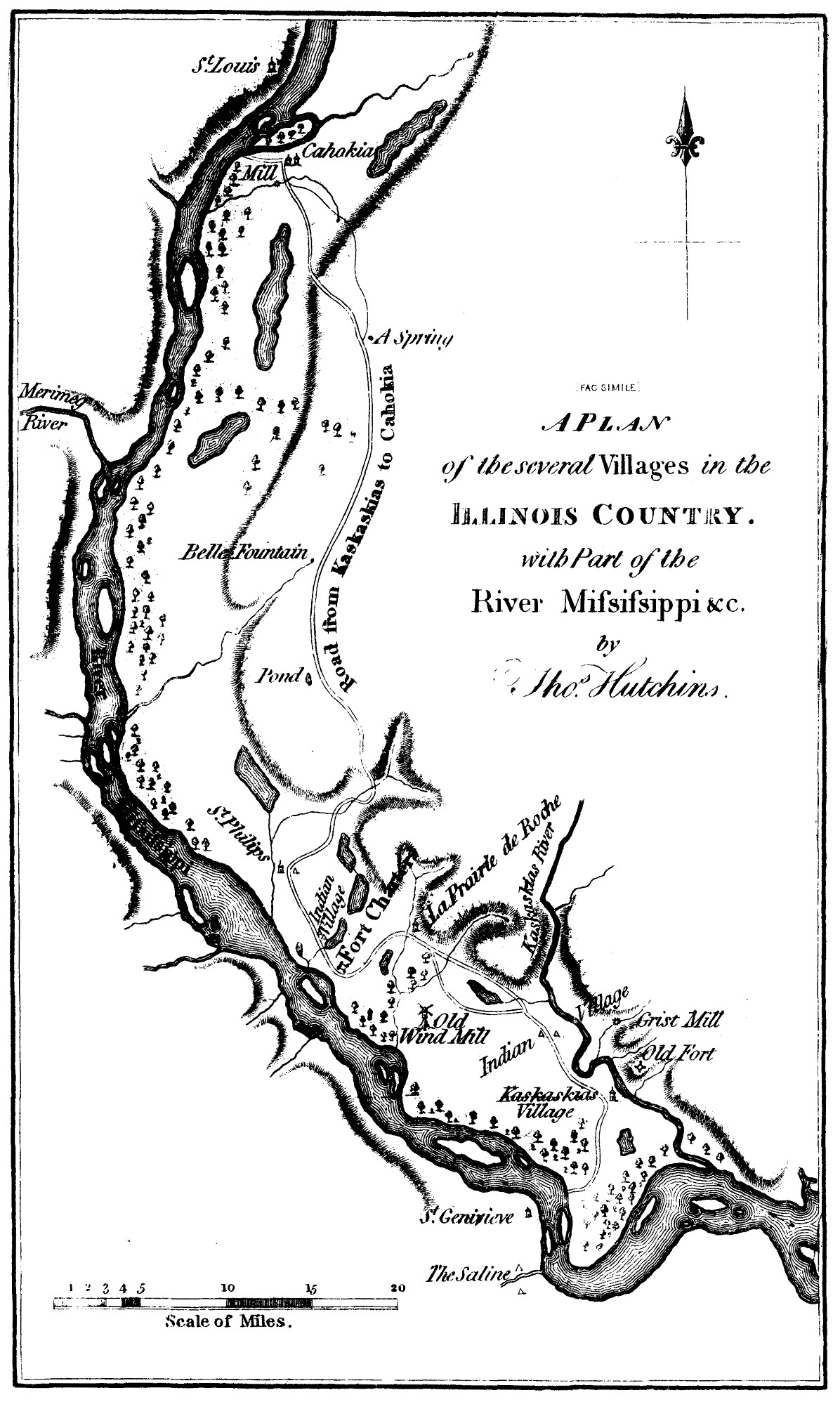
Map of the several villages in Kaskaskia, Ill. with part of the Mississippi River from 1851 by Thomas Hutchins.
On this day in 1803, the Kaskaskia Tribe signed a treaty with the United States at Vincennes in the Indiana Territory.
Under the agreement, the Kaskaskia ceded most of their lands in what is now Illinois to the U.S.
The treaty provided the tribe with reserved lands, annual payments, and other assistance.
The agreement was negotiated for the United States by territorial governor William Henry Harrison, who later became president.
Get National Native News delivered to your inbox daily. Sign up for our daily newsletter today.
Download our NV1 Android or iOs App for breaking news alerts.
Check out today’s Native America Calling episode
August 13, 2026 — Pathways Indigenous Arts Festival grows its presence and influence