Podcast: Play in new window | Download | Embed
The U.S. is celebrating 250 years since the Declaration of Independence, but some Native Americans in the Mount Rushmore state are turning their focus to a different anniversary, as South Dakota Searchlight’s Meghan O’Brien reports.
Ben Jones is South Dakota’s state historian. He also chairs the state’s America 250 commission. He wants it to be an inclusive celebration.
“There was just a strong desire personally, and I think among all the members of the commission, that we include everybody and everybody who lives in South Dakota to be a part of this.”
But as July 4 nears, Trina Lone Hill (Oglala Sioux) is not planning to celebrate.
“For me personally, the 250th anniversary of the signing of the Declaration of Independence is like a slap in the face.”
Lone Hill is a former historic preservation officer for the Oglala Sioux Tribe. Now, she serves on its tribal council.
The founding of the country meant lost land, language, and culture for Indigenous people.
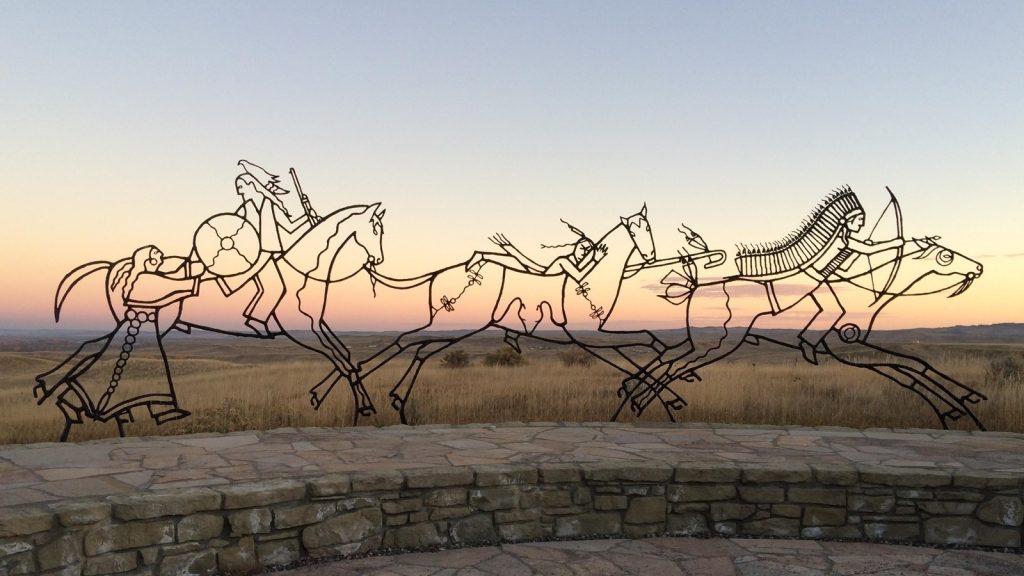
So Lone Hill’s focus is on the 150th anniversary of the Battle of the Little Bighorn, the week before Independence Day.
The conflict on June 25, 1876, was a major victory for the Northern Cheyenne, Arapaho, Lakota, and Dakota people. It happened during the United States’ encroachment on their land, after the discovery of gold in the Black Hills.
Lakota people know the conflict as the Battle of the Greasy Grass.
Representatives of several tribes are working with the National Park Service to commemorate the anniversary at the battlefield in Montana.
Lone Hill will be one of more than a dozen speakers at the three-day event.
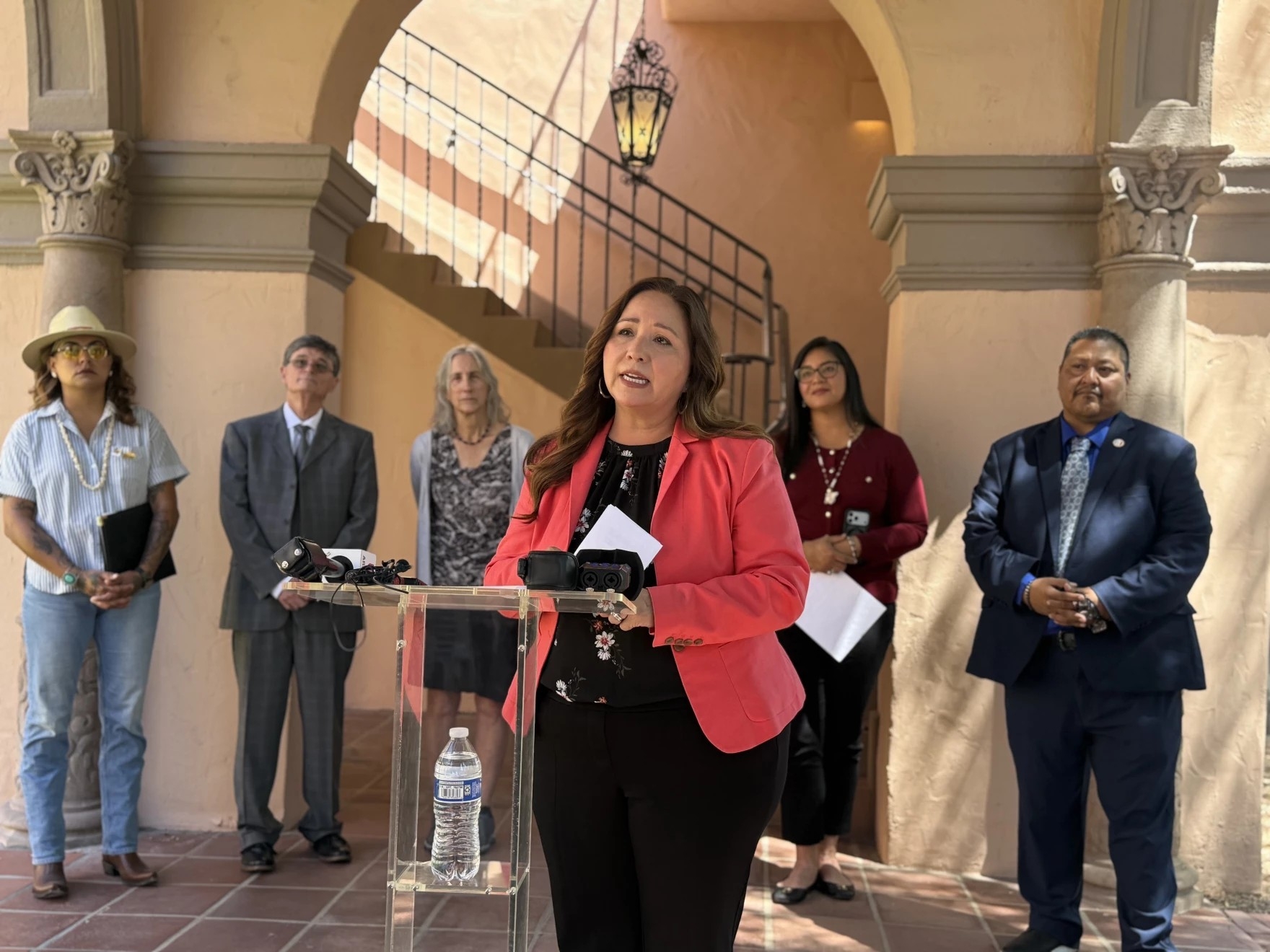
U.S. Rep. Adelita Grijalva (D-AZ) holds a press conference on Monday, June 1, 2026, in Tucson., Ariz.
The Indian Health Service (IHS) is preparing to close one of its three locations in Arizona.
The agency says this is part of a plan to modernize operations and improve health outcomes.
As KJZZ’s Gabriel Pietrorazio reports, state Democrats are raising alarm.
More than 28,000 patients depend on the Tucson, Ariz. area office, especially members from the Tohono O’odham Nation and Pascua Yaqui Tribe. It mostly handles administrative work, but is expected to merge with the IHS Phoenix office.
That location is already responsible for 180,000 patients in Arizona, Nevada, and Utah.
“Consolidating one to another, you’re going to have a disruption of service. Any cut is going to cause a delay.”
State Rep. Brian Garcia (Pascua Yaqui/D-AZ) is concerned.
So too is State Sen. Sally Ann Gonzales (Pascua Yaqui/D-AZ), who also chairs the Indigenous Peoples Caucus.
“I’ve never been to that clinic, but I know that some of our members do, and I used to represent Tohono O’odham and it’s in their San Javier District, so it’s disheartening to learn of its closure.”
Arizona state Democrats sent a letter to Health and Human Services (HHS) Secretary Robert F. Kennedy earlier this month, urging him to halt the looming closure.
The agency did not comment on the letter.
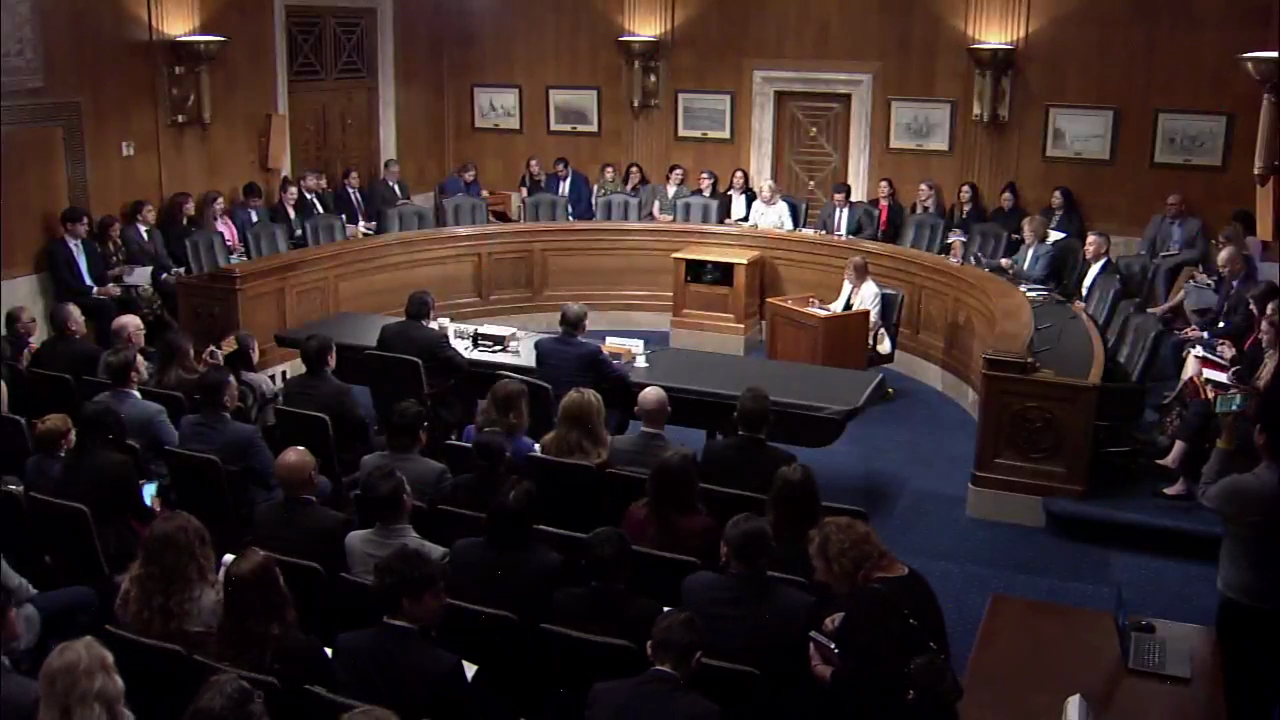
Mark Cruz testified Wednesday before the U.S. Senate Indian Affairs Committee.
The nominee to lead the IHS appeared before a U.S. Senate committee Wednesday.
Mark Cruz (Klamath Tribes) answered questions from lawmakers on the Senate Indian Affairs Committee during his confirmation hearing to become the next IHS director.
Cruz currently serves as senior advisor for Native Affairs at HHS.
He told senators he would focus on strengthening tribal consultation, improving health care access, and addressing workforce shortages across Indian Country if confirmed.
His nomination now moves forward in the Senate confirmation process.
IHS provides care to about 2.8 million American Indians and Alaska Natives.
Get National Native News delivered to your inbox daily. Sign up for our daily newsletter today.
Download our NV1 Android or iOs App for breaking news alerts.
Check out today’s Native America Calling episode
Thursday, June 25, 2026 — First Nations challenge Alberta’s separation drive