Podcast: Play in new window | Download | Embed
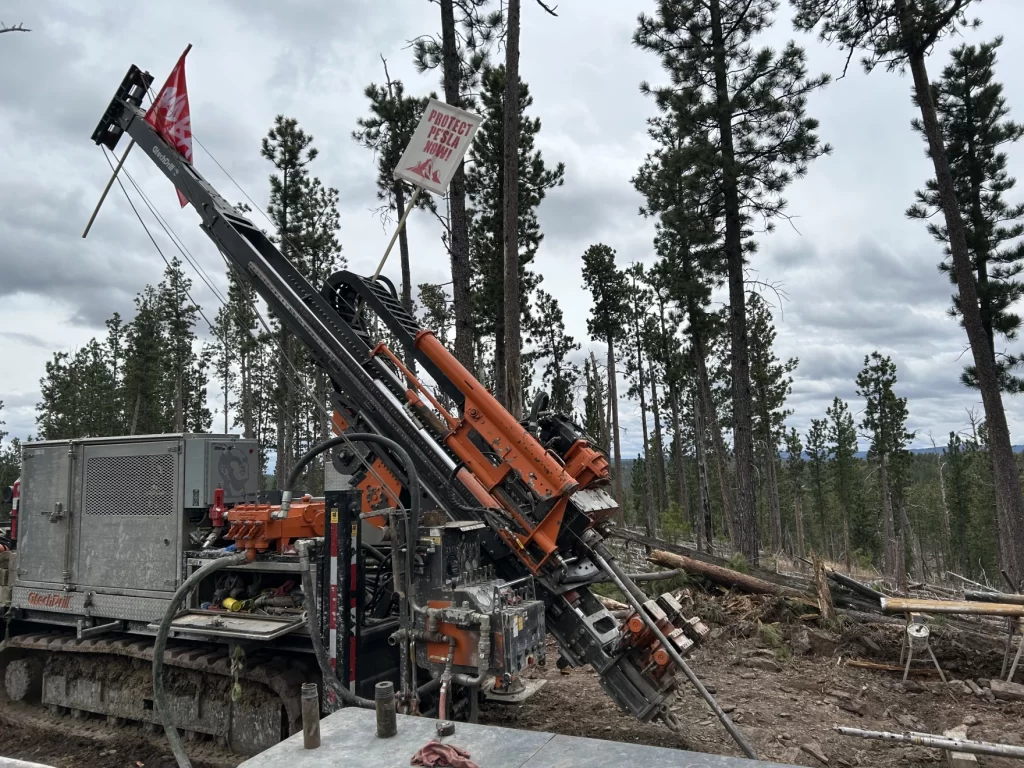
A mining company has backed down from a legal dispute connected to a standoff over mining at the sacred Black Hills site Pe’ Sla. Many are chalking this in the win column for opposition, though others contend work is not yet finished.
C.J. Keene has more.
After the explosion of popular support and a courtroom battle, the company behind the proposed exploratory mining project has dropped the effort.
For Lilias Jarding, executive director of the Black Hills Clean Water Alliance, it represents what can be accomplished when several organizations focus on a single goal.
“Of course, water is an issue wherever a person lives. We all need, in fact, we all have the right to clean, plentiful water. We are getting congratulations from all over the country and beyond. I’m feeling a great deal of respect for the power of alliances and coalitions.”
Many other organizations rose in opposition to the proposed mining, including NDN Collective, a Rapid City indigenous advocacy nonprofit, the Oglala Lakota Nation Youth Council, nine local tribes, and many community members.
Wizipan Garriott, president at NDN Collective, says it is a feeling of victory.
“With the result it shows the power of community organizing, coordination, and direct action in conjunction with legal action.”
Garriott says distant issues involving watersheds, treaty rights, and Indigenous affairs are a matter every American should have a vested interest in.
“If you believe in the Constitution, then you are required to believe in Indian treaties, and you have an ethical, moral, and legal duty to work towards honoring Indian treaties. Every single one of us has a duty to protect clean drinking water and a human right to clean drinking water. I think from a larger, moral standpoint, an injustice to one is an injustice to all.”
Garriott estimates there are still well over a dozen mining claims in the Black Hills that he and other mining opponents are monitoring.
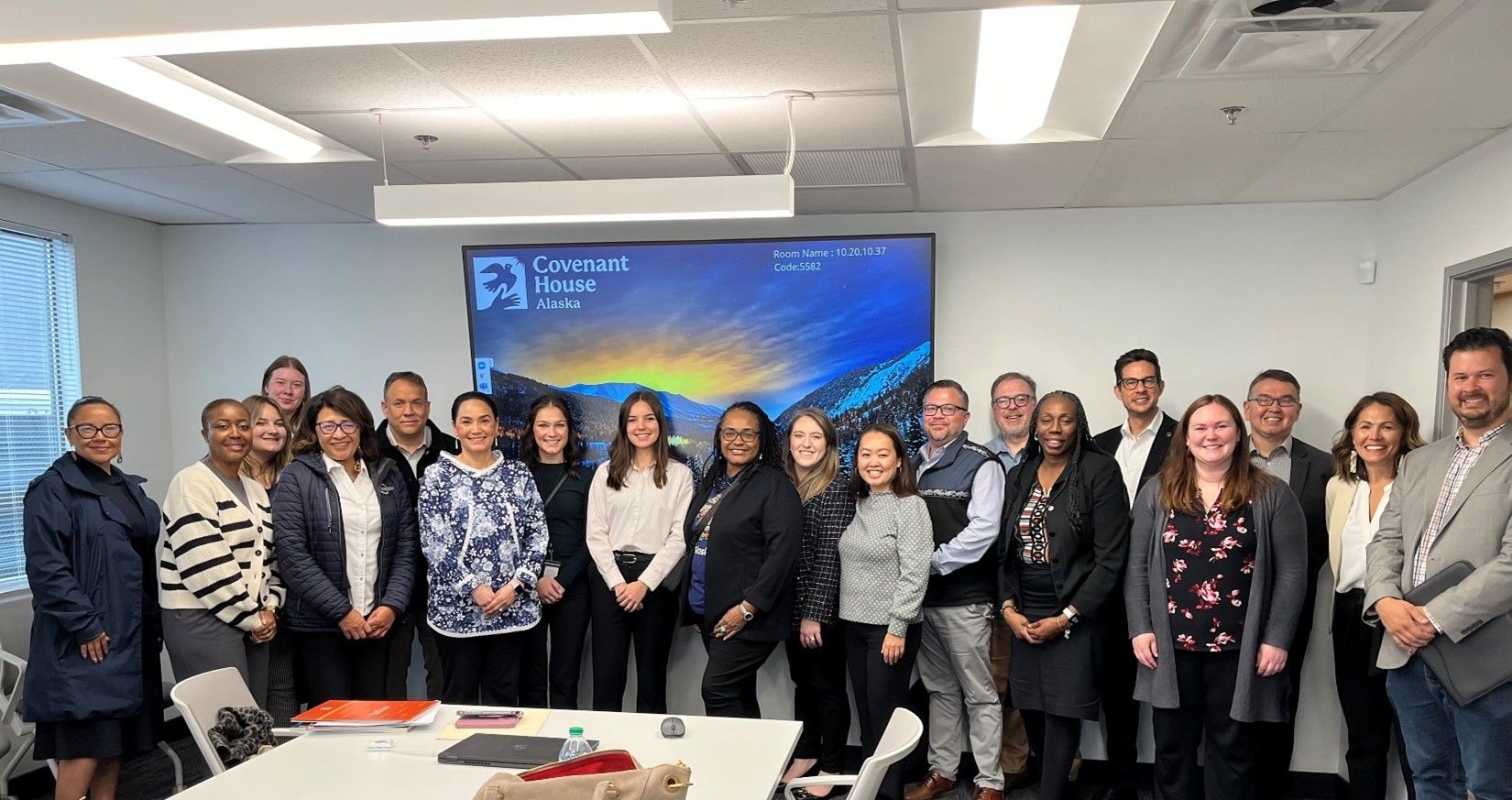
The 8(a) Business Development program helps Alaska Native Corporations support like Covenant House Alaska. (Courtesy U.S. Small Business Association / LinkedIn)
Alaska lawmakers unanimously passed a resolution this week supporting the role of Alaska Native Corporations in a federal contracting program, amid growing scrutiny and concerns from Native contractors.
The Alaska Desk’s Alena Naiden from our flagship station KNBA reports.
Alaska legislators passed a joint resolution supporting Native participation in the federal 8(a) Business Development (BD) Program.
The program allows disadvantaged individuals, tribes and Alaska Native Corporations to compete for federal contracts.
Haven Harris is the Senior Vice President of Growth and Strategy at Bering Straits Native Corporation and says those contracts are crucial for his organization.
“We were able to give out a record dividend last year. We gave out our first special dividend ever just a month ago, and it’s all because of the benefits of federal contracting for us.”
For Alaska Native Corporations, federal contracts are often their primary source of revenue and help pay dividends to shareholders and support services in their communities, but over the past year, the program has faced increased scrutiny.
Native contractors say they are concerned the government is awarding fewer contracts and has not been accepting new applications into the program.
Harris is also a board co-chair of the Native American Contractors Association. He says that in the past year.
“8(a) contracts have been getting awarded at a lesser rate than they were previously.”
Harris says no new businesses have been accepted into the program since August of last year.
The Native American Contractors Association and about 50 other Native organizations signed a letter to the federal government earlier this month, asking it to resume a timely review of applications.
Alaska’s congressional delegation and Gov. Mike Dunleavy (R-AK) have signaled support for the program.
Harris says the legislature’s joint resolution is a helpful step.
Defense Secretary Pete Hegseth said in a post on X in January that he was going to take a “sledgehammer” to 8a, which he called “oldest DEI program in the federal government”.
We are taking a sledgehammer to the oldest DEI program in the federal government—the 8(a) program. pic.twitter.com/c9iH8gcqG7
— Secretary of War Pete Hegseth (@SecWar) January 16, 2026
Get National Native News delivered to your inbox daily. Sign up for our daily newsletter today.
Download our NV1 Android or iOs App for breaking news alerts.
Check out today’s Native America Calling episode