Podcast: Play in new window | Download | Embed
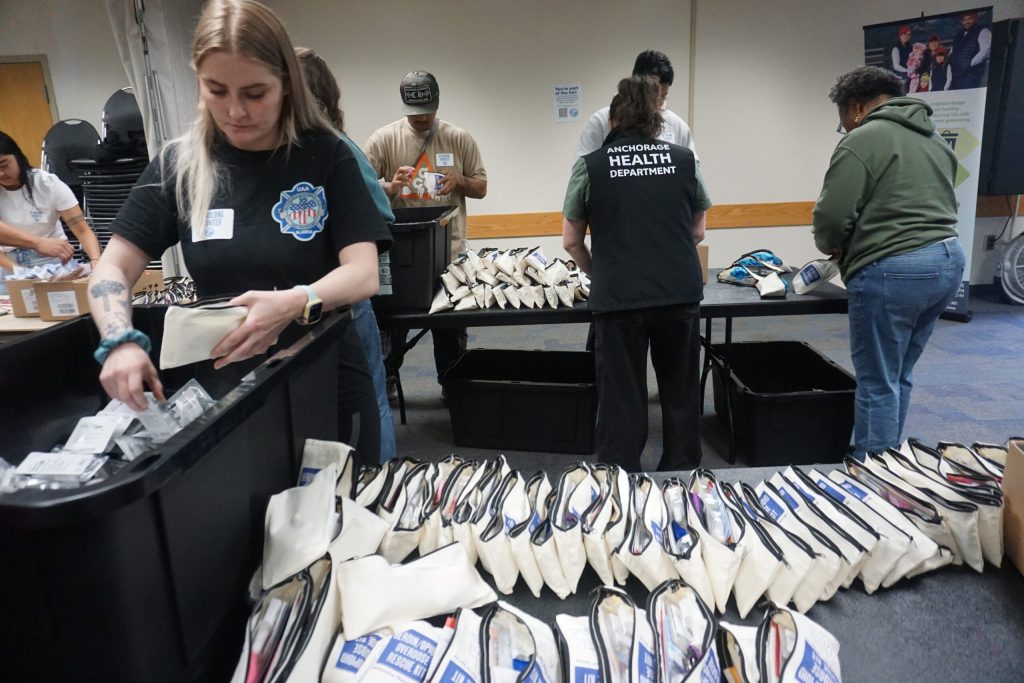
Photo: Bernadette Hartley and other volunteers assemble opioid-reversal kits at an August 29, 2025, event in Anchorage, Alaska. (Yereth Rosen / Alaska Beacon)
A new health report has mixed news for Alaskans. The findings come from the Healthy Alaskans program, a partnership between the Alaska Department of Health and the Alaska Native Tribal Health Consortium.
As Yereth Rosen reports from the Alaska Beacon, key takeaways from the research show that chronic health problems like obesity and high blood pressure persist and childhood vaccinations continue to lag.
Over the last decade, infant mortality rates have shown no improvement with markedly higher rates among Alaska Natives.
The state’s life expectancy remains unchanged, but the report points to some encouraging trends, particularly for younger Alaskans.
The statewide assessment found a significant increase in prenatal care.
High school graduation rates are up, and the longstanding graduation gap among Alaska Native students has narrowed. The reports says this is important, because education is linked to better health.
It also found that Alaska teens are less likely today to be exposed to secondhand tobacco smoke, a trend the report links to tobacco-free zones and other policies. Drug overdose rates appear to be leveling off.
The research found that more food grown in Alaska has become easier to find, while better access to trails supports exercise and traditional subsistence practices.
There are some troubling developments on the horizon. Climate change has affected fish runs and the availability of wild foods, important to the diet of rural Alaskans. Environmental changes have also increased the risk of new diseases, while wildfire smoke poses health hazards in some parts of the state.
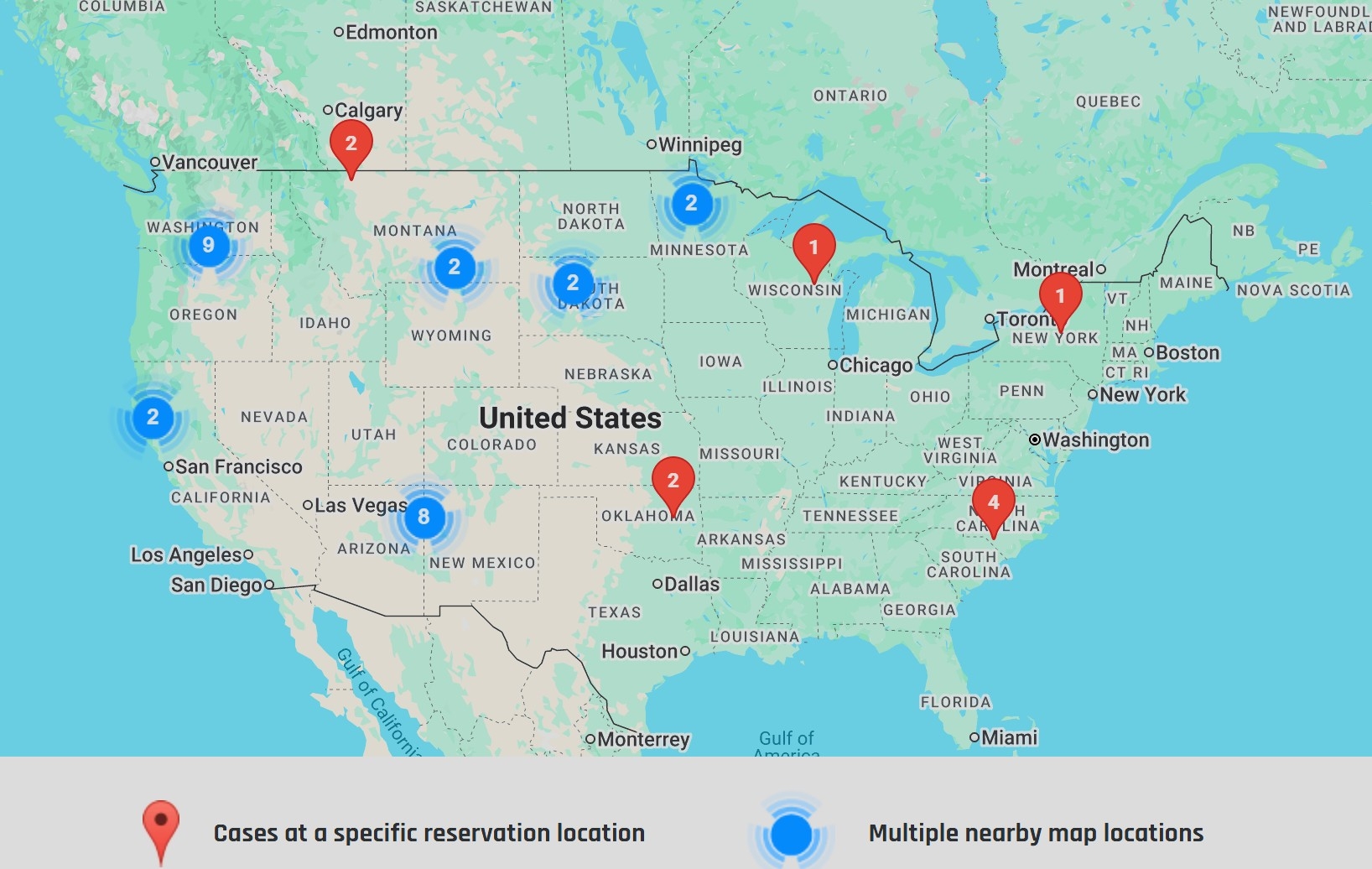
The Voices Not Forgotten page on the FBI website shows current cases.
The FBI is increasing rewards for information in cases involving missing and murdered Indigenous people and relatives in North Dakota and nationwide, as Judith Ruiz-Branch reports.
Brandon Baity is executive director of the Indigenous Association in Fargo, North Dakota and a White Earth descendant,
“We’re left very vulnerable due to a lot of systemic and intergenerational reasons. So the bottom line is addressing some of that vulnerability in our community overall would help us go further up the river, so we’re not always pulling people out of the river, literally and figuratively.”
Forty percent of North Dakota’s missing population is Indigenous. As part of the Voices Not Forgotten initiative, FBI officials have set a minimum $25,000 reward for help with cracking dozens of nationwide cases.
Baity believes the level of attention a case receives can come down to whether a victim is viewed as “worthy”. He raises questions about which lives are deemed deserving of public concern and institutional resources.
Factors like addiction or housing instability can lead to victim-blaming, Baity adds, even though every missing person has family, friends and loved ones who want them found.
“They’re still people and they’re still deserving of care and support in our community and from our organizations and our institutions that are here to keep us safe. And so I just think we really need to focus more on, why are there so many murdered and missing Indigenous people in our country?”
FBI data shows nearly 10,000 American Indian and Alaska Native individuals were reported missing nationwide in 2025.
Baity says informal networks in the Fargo-Moorhead area mobilize and organize searches for local families who are impacted, but those efforts can be limited by a lack of resources and formal support.
He adds that increased rewards and investigative resources are important, but preventing these cases in the first place requires sustained investment in the safety and stability of Indigenous communities.
Get National Native News delivered to your inbox daily. Sign up for our daily newsletter today.
Download our NV1 Android or iOs App for breaking news alerts.
Check out today’s Native America Calling episode
Tuesday, September 1, 2026 — Growing understanding of head injuries changes sports at all levels


Leave a Reply