Podcast: Play in new window | Download | Embed
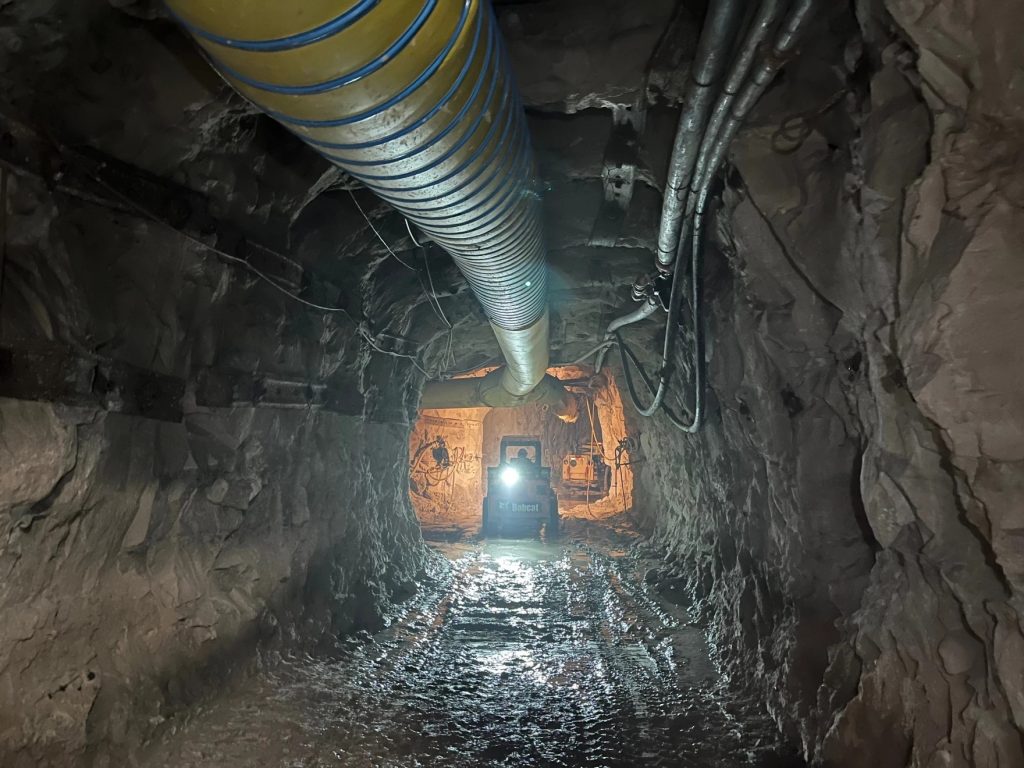
Photo: A loader prepares the Pinyon Plain Mine for uranium ore production on its lowest level more than 1,400 feet underground on Sept. 8, 2023. (Ryan Heinsius / KNAU)
Arizona regulators approved a higher level of arsenic in groundwater under a uranium mine near the Grand Canyon.
As KNAU’s Chris Clements reports, it comes despite firm tribal opposition.
In its decision allowing the higher levels, the Arizona Department of Environmental Quality agreed with the owner of the Pinyon Plain Mine that the increase in arsenic is naturally occurring.
That is despite two comments from groundwater scientists urging regulators to require more proof from Energy Fuels Resources, the mine owner.
The scientists wrote that it is likely the mine is contributing to the higher levels, but an executive with Energy Fuels told KNAU in May that the higher arsenic levels are not the result of mining activity or discharge.
The Havasupai Tribe condemned the regulators’ decision and said it would pursue every legal avenue it can to protect water in the Grand Canyon.
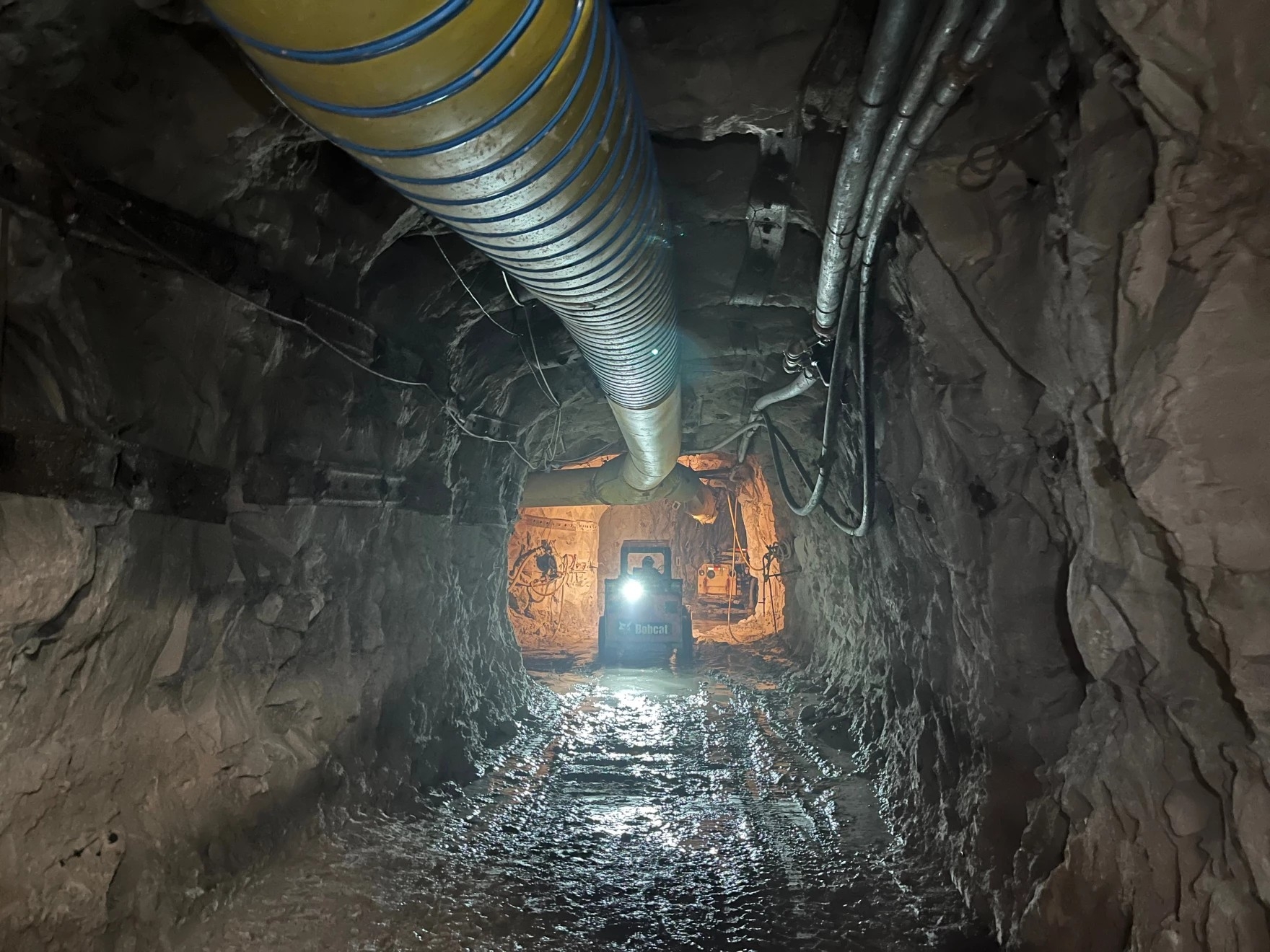
A loader prepares the Pinyon Plain Mine for uranium ore production on its lowest level more than 1,400 feet underground on Sept. 8, 2023. (Photo: Ryan Heinsius / KNAU)
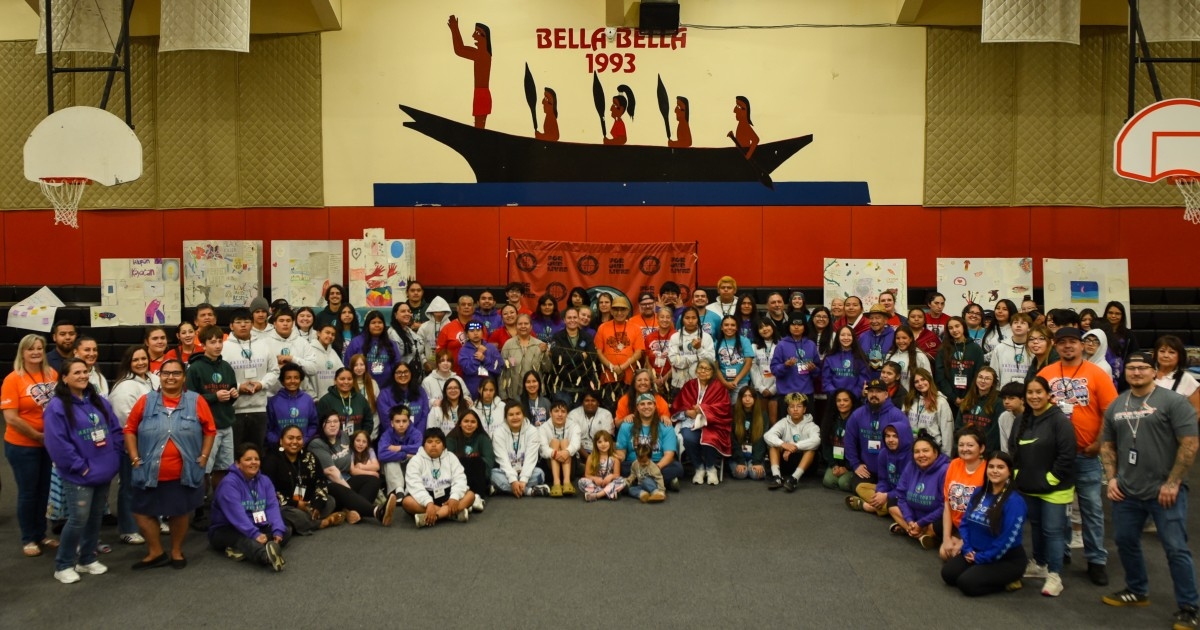
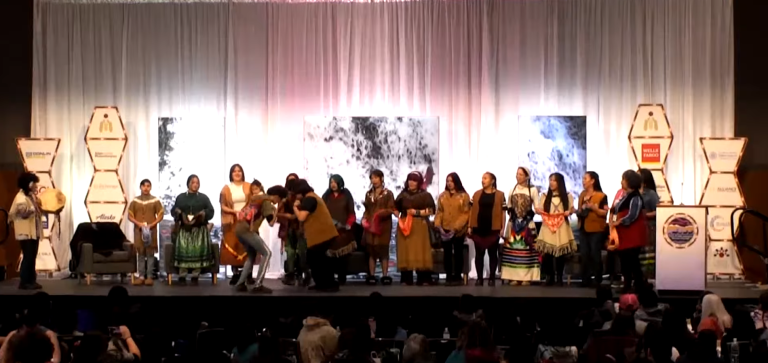
More than 200 intertribal youth joined community elders and mentors at the Native Youth Generational Leadership Summit to learn traditional and contemporary skills to foster strength and resiliency. (Photo: Monica Sue Minyard)
This year’s Native Youth Generational Leadership Summit in Port Angeles, Wash. brought young Native people from across the country together to build community, learn about substance use prevention, and practice everyday skills, as Isobel Charle reports.
The summit was hosted by the Lower Elwha Klallam and Spokane Tribes with support from the American Indian Health Commission.
Tia Skerbeck with the Lower Elwha Klallam Tribal Council says the two-and-a-half-day summit included traditional practices that not all Native young people get to experience, like storytelling and talking circles.
“We rely on those teachings and those practices to help carry through the prevention messages that we’re sharing with the youth and helping them develop some skills to become resilient. They’re not just little kids running around. They’re our future leaders.”
Skerbeck adds the youth also shared what issues they would like to see their communities prioritize. She says while the summit was focused on youth, it was multi-generational and included elders who offered guidance and support.
Audrey Gales is a 19-year-old Lower Elwha Klallam community member. Gales’ auntie, Jacqueline Salyers, was killed by police in 2016.
She says learning about issues related to Missing and Murdered Indigenous People and Women while calling for justice for her auntie and all Native victims of violence is close to her heart.
She has been to a number of similar events over the years and encourages other young people to attend.
“Especially if you’re Indigenous and it’s a Native summit, always attend. It’s always worth it. You learn so much, meet so many people.”
She adds another highlight was learning how to make a salmon net out of stinging nettle and celebrating the return of fish populations to the Elwha River after her Tribe led the campaign to remove two dams there.
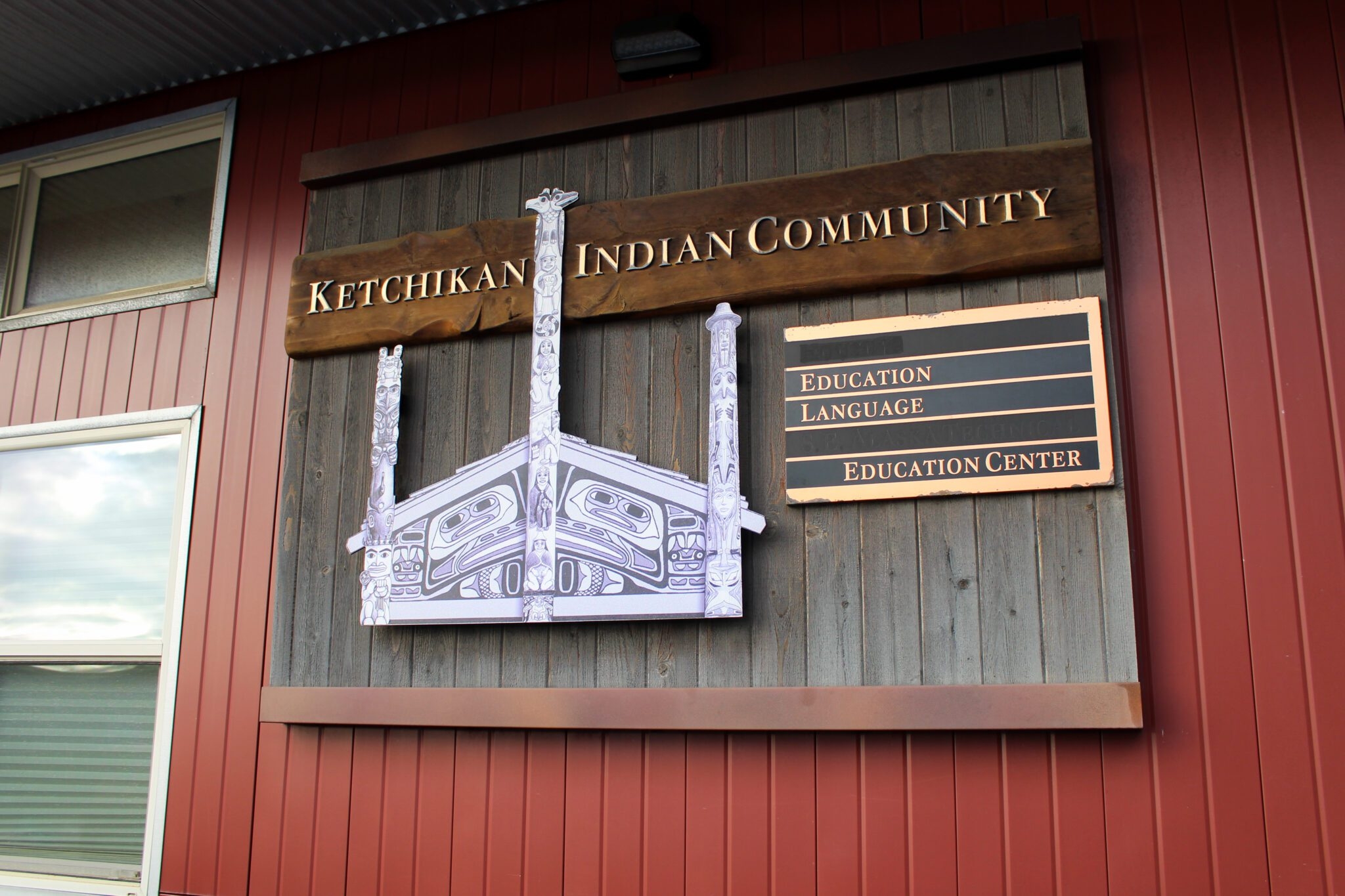
The Ketchikan Indian Community launched a new community care package initiative for summer visitors and local residents. (Photo: Michael Fanelli / KRBD)
The Ketchikan Indian Community (KIC) has launched a new initiative that combines tourism with community service.
The Community Care Package Initiative invites visitors and local residents to assemble care packages with items such as socks, toiletries, hygiene products, and snacks for people experiencing homelessness in Ketchikan.
According to the tribe, proceeds from the program will support its Permanent Supportive Housing project, which is expected to open in August and provide housing and supportive services for 28 people.
The initiative builds on KIC’s efforts to address homelessness, including operating Ketchikan’s only overnight cold weather shelter for the past two years.
The tribe says it hopes the program encourages visitors to support the local community while visiting Southeast Alaska.
Get National Native News delivered to your inbox daily. Sign up for our daily newsletter today.
Download our NV1 Android or iOs App for breaking news alerts.
Check out today’s Native America Calling episode
Wednesday, July 8, 2026 – Trump administration escalates attack on Native American museum narratives