Podcast: Play in new window | Download | Embed
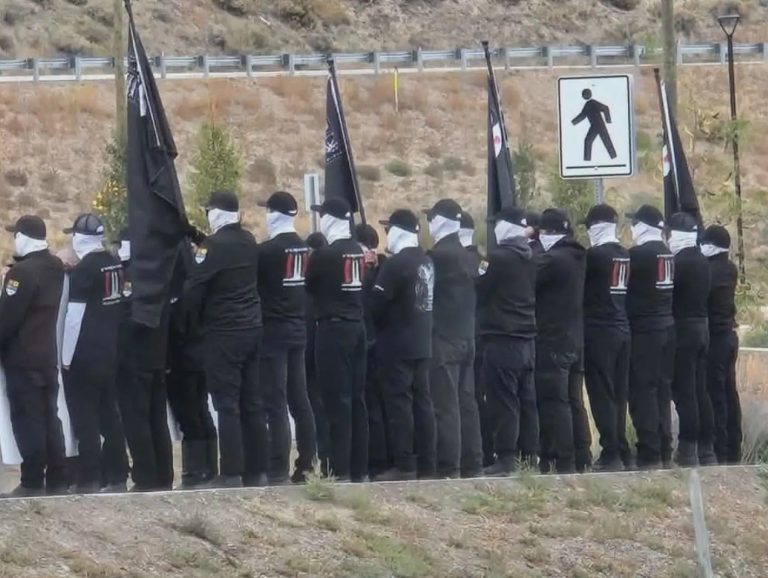
Grand Staircase-Escalante National Monument has been the target of U.S. Sen. Mike Lee (R-UT).
He has been looking to undo a Biden-era resource management plan, meant to focus on conservation and consultation with tribes.
That effort has failed for now.
KJZZ’s Gabriel Pietrorazio has more.
Using the Congressional Review Act, lawmakers on Capitol Hill could’ve killed the plan with a simple majority vote from the Senate floor, but that 60-day window has closed.
Erik Stanfield is senior anthropologist with the Navajo Nation Heritage and Historic Preservation Department.
“Some people think it’s a win – and I suppose in some sense it is, but I don’t feel excited about it, because I do think there’s more coming. We’ve just thrown away something that could be another weapon.”
He helped shape this years-long process. An executive order could still downsize the national monument – significant to Navajos, Hopis, Zunis, Utes, and Paiutes.
Together, they formed an inter-tribal coalition.
“Having to respond to this really strengthened the coalition. It bonded the group a little bit better, we organized and that’s going to persist.”
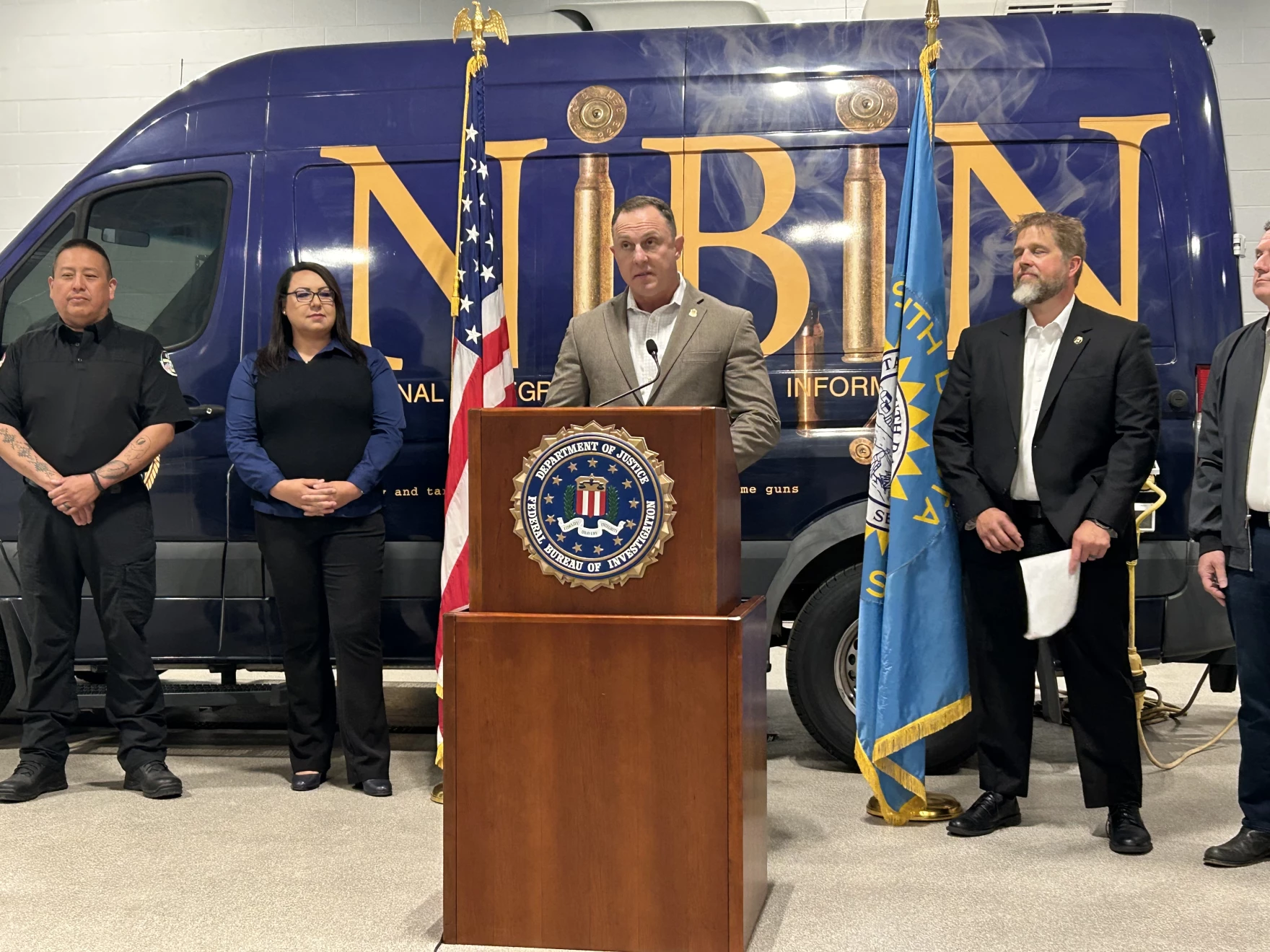
FBI agent Christopher Dotson explains Operation Ballistic Backlog. (Photo: C.J. Keene / SDPB)
Authorities are looking for methods to close gaps preventing justice from being served when violent crimes happen on reservation settings.
Now, the FBI, ATF, and tribal law enforcement are doubling down on these efforts. South Dakota Public Broadcasting’s C.J. Keene reports.
They are calling it Operation Ballistic Backlog – and it falls under the ongoing effort Operation Steadfast Promise which is aiming to solve cases that have troubled reservations and Native communities for decades.
To put it simply, firearms leave something of a ballistic fingerprint which can be traced if and only if prior uses of that firearm are documented into an ATF database.
At the Rapid City FBI branch office, agent Christopher Dotson goes into detail.
“In South Dakota, Operation Ballistic Backlog is an initiative that is unique to the Pine Ridge Reservation. This initiative came about when we recognized an opportunity to work with our partners with the Oglala Sioux Tribe Department of Public Safety who had hundreds of firearms in their custody that we could help test against evidence found at various crime scenes. This cache of weapons could be tested and entered into the ATF’s national integrated ballistic network – known as NIBIN.
Dotson is the special agent in charge of the Minneapolis Field Office, which covers Minnesota and the Dakotas.
“What makes this initiative exciting is the potential to connect these guns to unresolved crimes on the Pine Ridge Reservation and elsewhere.”
This comes as the FBI announced a new reward for information in the search for a suspect in the death of six-year-old Logan Warrior Goings, who was murdered in his Oglala family home.
“Weeks later, a gun firing the same kind of ammunition used in Logan’s murder was located well away from the crime scene. Ballistic testing connected that gun to the murder of little Logan – and that is a key piece of evidence. Last week, the FBI offered a $50,000 reward for information leading to the arrest and conviction of the person or persons responsible for Logan’s senseless murder. Somebody out there knows something.”
In total, over 500 firearms are now slated to be tested for potential links to cases across the nation.
Get National Native News delivered to your inbox daily. Sign up for our daily newsletter today.
Download our NV1 Android or iOs App for breaking news alerts.
Check out today’s Native America Calling episode
Wednesday, June 17, 2026 — Gloves off: Native bare-knuckle boxers fight for recognition in the ring