Podcast: Play in new window | Download | Embed
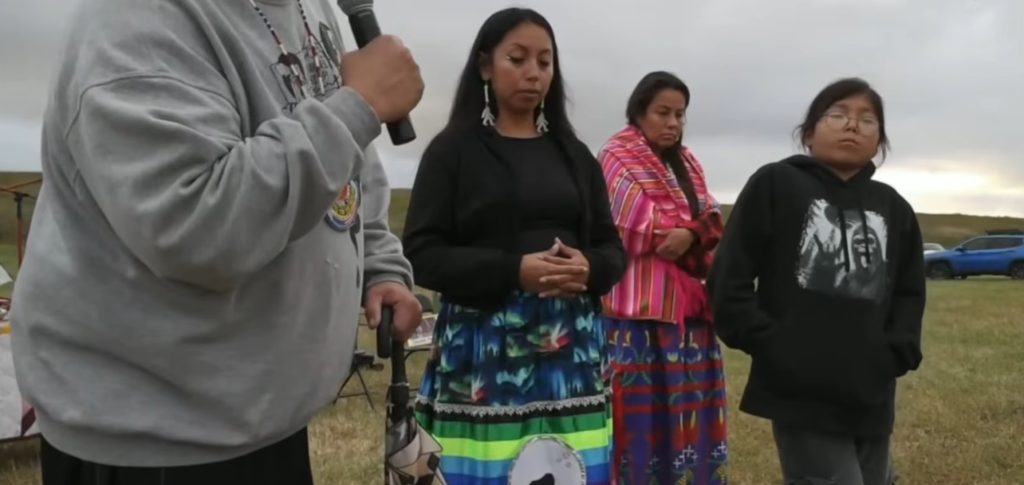
A decade after thousands of Native activists and allies protested at Standing Rock against the North Dakota Pipeline Project, anniversary celebrations, tributes, and remembrances are being shared by many participants.
A Mni Wiconi reunion gathering was recently livestreamed by the Indigenous Environmental Network, while those “Water Protectors” who have died in the last decade have been memorialized online in social media and tribal news outlets.
The Guardian newspaper says the reunion event opened with the lighting of a sacred fire, using the very same coals that burned at the encampment in 2016.
Clashes with National Guard soldiers and police resulted in many demonstrators injured or suffering post-traumatic stress disorder, leading many anniversary events to include prayers for healing, as well as renewed calls to explore clean energy alternatives.
The Dallas-based company Energy Transfer Partners eventually built its pipeline which currently transports up to 750,000 barrels of oil a day from North Dakota to a refinery in Illinois.
Critics maintain the pipeline endangers the environment and could pollute critical waterways for regional tribes and rural communities.
Several Native activists told The Guardian that they “would do it again” and that the movement grew from a simple encampment to a global awareness of Indigenous resilience and environmental stewardship.
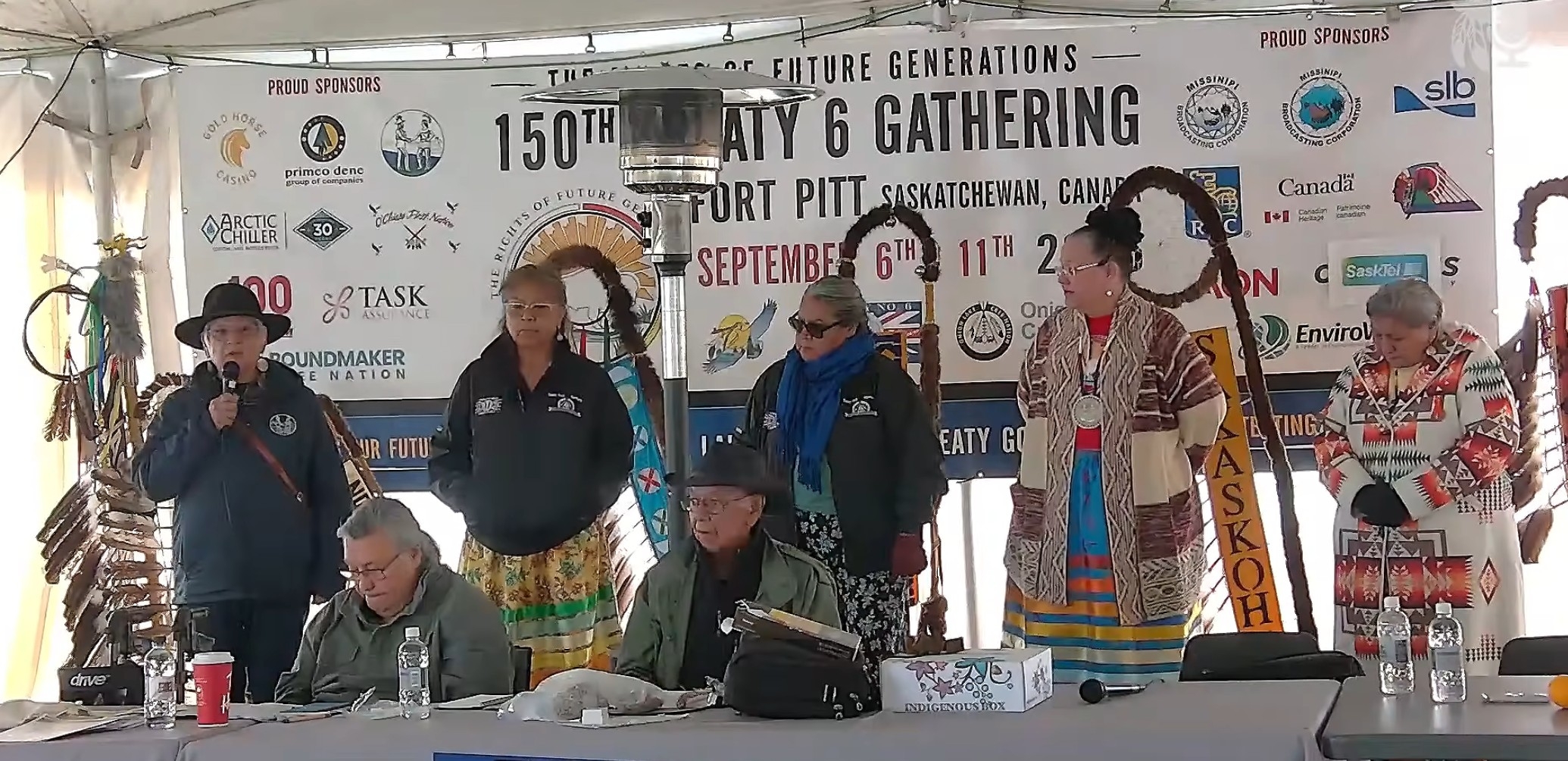 A commemoration was held this summer in Saskatchewan to mark 150 years since the signing of Treaty 6, between the First Nations and Canada.
As Dan Karpenchuk reports, the treaty set out the rights, benefits, and responsibilities of both parties.
Late in the summer, First Nations leaders, dignitaries, and community members gathered for a four-day commemoration at Fort Carlton. They were there to reflect on the history of Treaty 6 and the framework it established 150 years ago.
Cindy Woodhouse Nepinak is the national chief of the Assembly of First Nations.
“Today is not simply about remembering history. It is about recognizing that Treaty 6 is a living, enduring document. It speaks to the relationship between First Nations and Canada and guides that relationship.”
Some native leaders say they are still advocating for treaty rights, especially in the are of health care for Indigenous communities. And many spoke about the role of governments.
Saskatchewan Premier Scott Moe attended the commemoration and talked about the importance of the treaty.
“We should talk and we should move forward together. We won’t always agree. However if we continue to talk and we can set our differences aside, we can truly build something that’s better for tomorrow, for our children, for the next generation.”
Earlier this year, several chiefs who represent Treaty 6 travelled to Buckingham Palace to invite King Charles III to attend the commemoration.
He was not able to attend, but his representative in Canada, Governor General Louise Arbour, was there, and she said more than ever our collective well being depends on the trust that we place in one another.
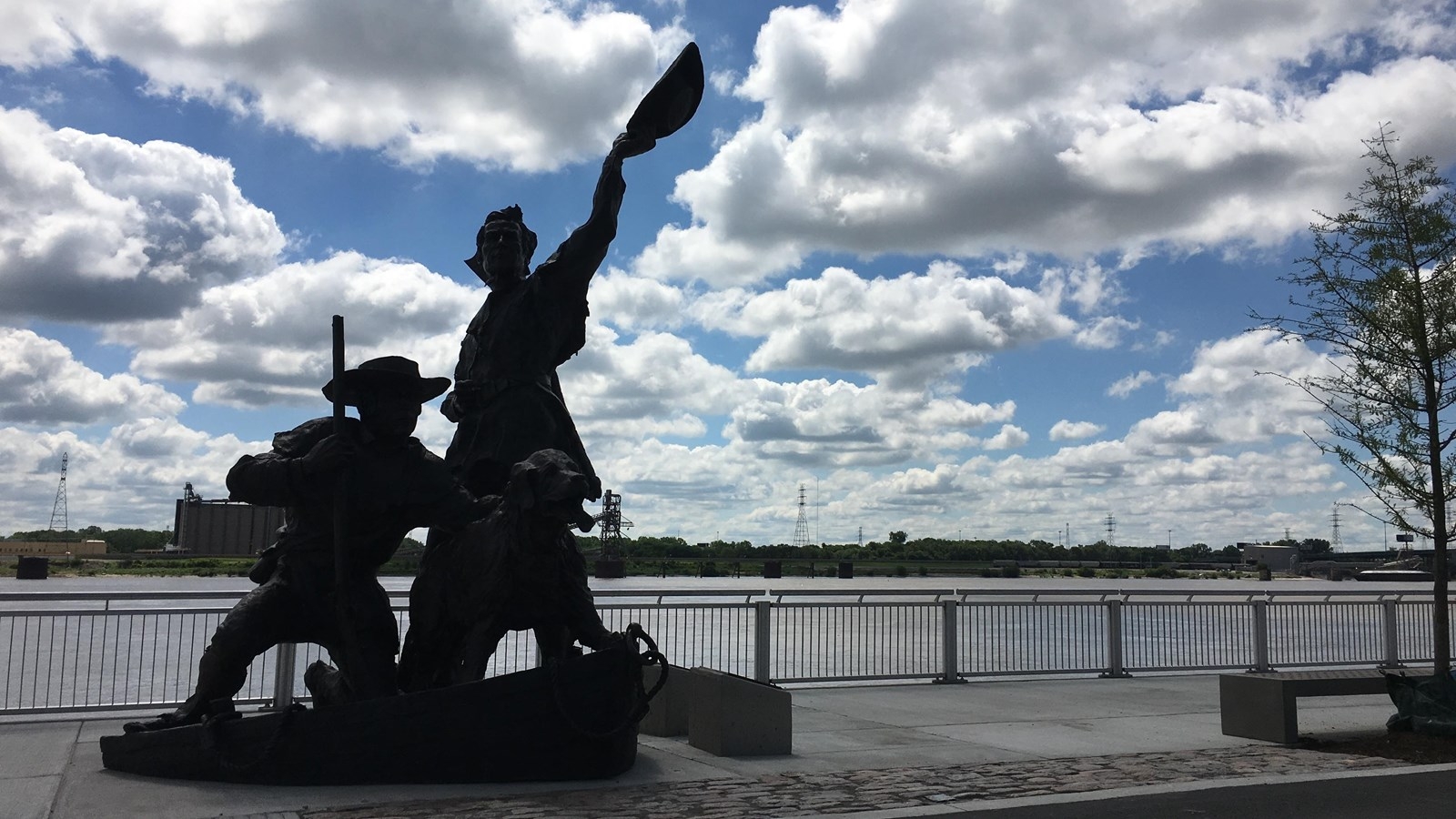
“The Captains’ Return” sits alongside the Mississippi River where the Lewis & Clark Expedition ended on this day in 1806. (Courtesy NPS)
And on this day in 1806, the Lewis and Clark Expedition completed its return journey after exploring much of the territory President Thomas Jefferson secured though the Louisiana Purchase.
Often called the “Corps of Discovery”, the explorers and their men encountered 70 Indian tribes and recorded roughly 200 wildlife and plants never before seen by the Western world.
A Native woman, Sacajawea, became an interpreter and liaison between the expedition and tribes they encountered. She delivered a baby boy in 1805, which was named Jean Baptiste Charbonneau.
The legacy of Lewis and Clark’s expedition is heralded by some as an adventure filled with scientific and diplomatic achievement, while others see it as the advent of Westward expansion and hardship for Native tribes across North America.
Get National Native News delivered to your inbox daily. Sign up for our daily newsletter today.
Download our NV1 Android or iOs App for breaking news alerts.
Check out today’s Native America Calling episode
Wednesday, September 23, 2026 — How Indigenous voices adapt to rapidly evolving media

Leave a Reply