Podcast: Play in new window | Download | Embed
Alaska’s main Native healthcare organization is set to receive a $400 million settlement from the federal government for unpaid expenses to provide medical services.
The U.S. Department of Justice announced the settlement Tuesday.
The Alaska Desk’s Alena Naiden from our flagship station KNBA reports.
The Alaska Native Tribal Health Consortium (ANTHC) filed a lawsuit in 2021 claiming that the federal government did not fully compensate the organization for administrative costs over seven years of providing medical services.
This settlement follows several U.S. Supreme Court decisions in favor of tribal health contractors like the consortium.
Lloyd Miller is a tribal attorney who handled three cases involving costs that the government had refused to pay.
“To be sure, a significant amount of money is owed to tribes, and the latest settlement you heard about is just one of many settlements that have been achieved throughout the United States over the last two years.”
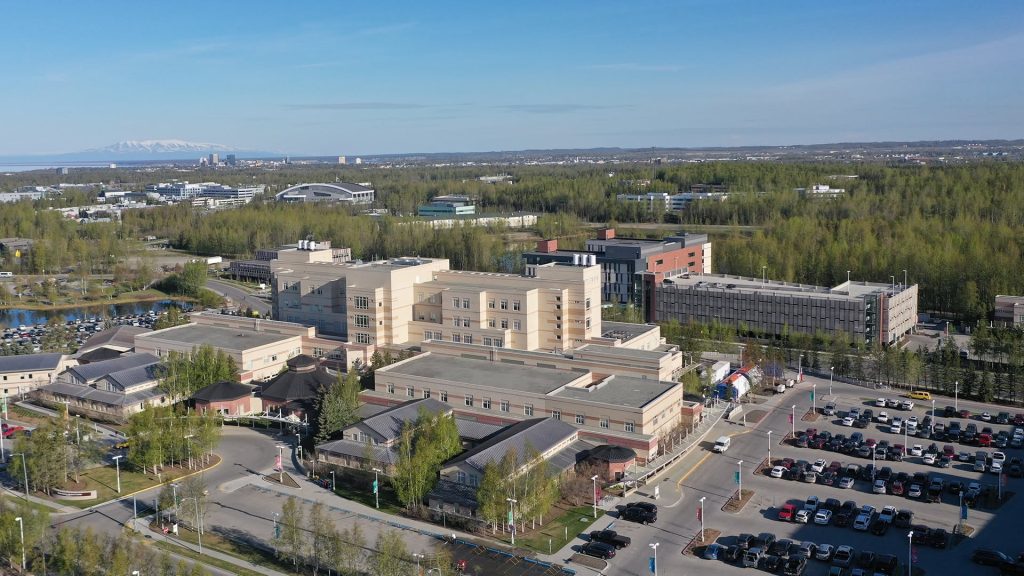
ANTHC provides health services in clinics throughout the state and at the Alaska Native Medical Center in Anchorage.
The organization also runs rural infrastructure projects in villages, including improving water and sewer systems.
The consortium entered an agreement with the federal government under the Indian Self-Determination and Education Assistance Act.
Under that agreement, ANTHC is responsible for providing healthcare that the federal government would otherwise provide, through agencies like the Indian Health Service (IHS).
The consortium said in its court complaint the government failed to reimburse administrative costs for healthcare services between 2014 and 2022, with the exception of one year.
The consortium’s attorneys dismissed its case this month after a settlement was reached, according to court documents.
Natasha Singh is president and CEO of the Alaska Native Tribal Health Consortium. She said in a prepared statement that the settlement helps make sure that “resources accurately reflect the true cost of operating a complex Tribal health system and advancing self-determination in healthcare.”
Singh said the details of the settlement are still being finalized, but it helps the consortium to expand their services for Alaska Native people.
Tribal attorney Miller says this and other cases follow a 2024 U.S. Supreme Court decision that the federal government owed money to the Carlos Apache and Northern Arapaho tribes in Arizona and Wyoming.
“When the court held that those two tribes had been underpaid, the court was saying that every tribe in the United States that has a contract with [IHS] has been underpaid.”
Miller says many tribes have filed or reactivated litigation with IHS in the last two years.
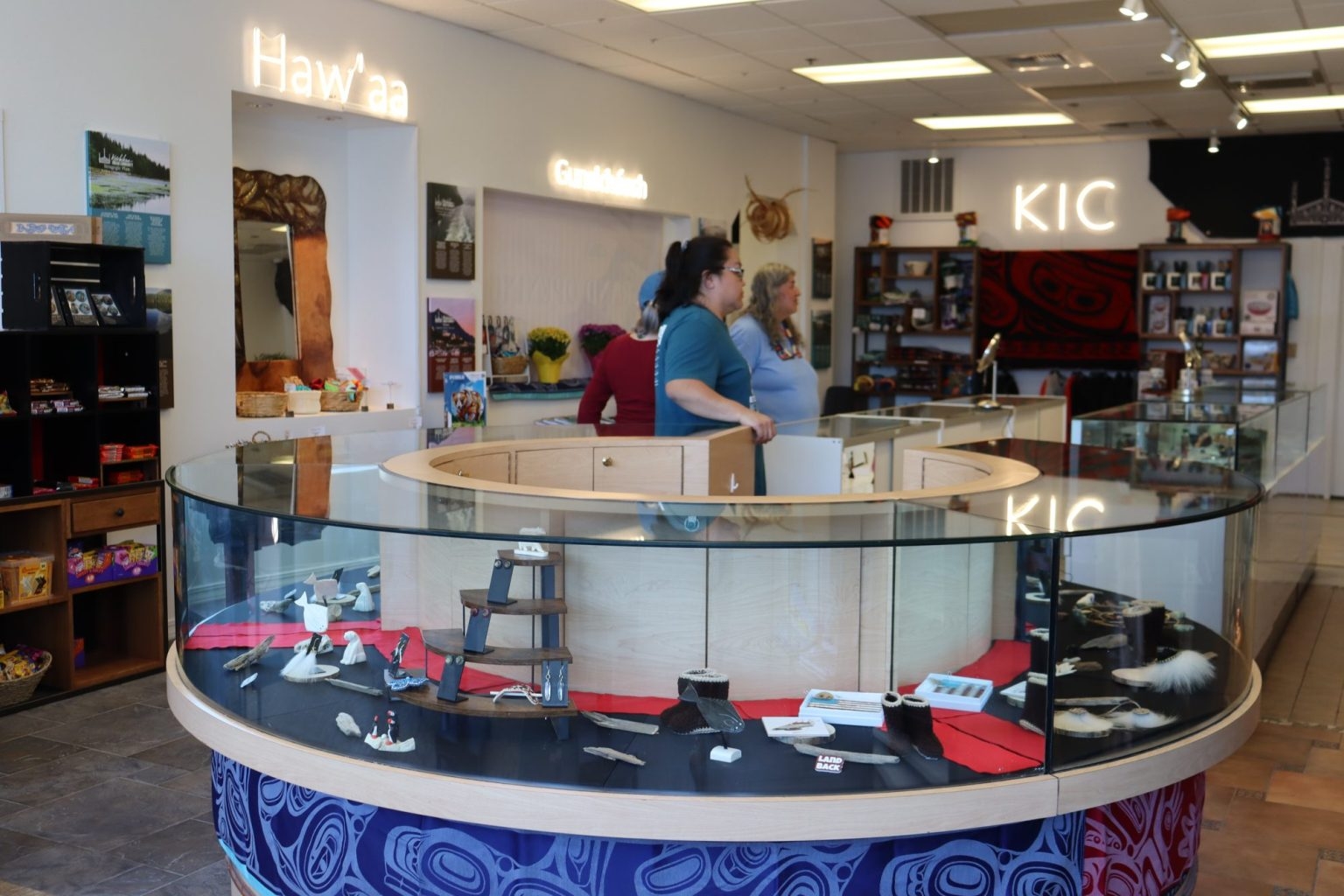
KIC’s new gift shop is where tourists can purchase care packages for community members. (Photo: Hunter Morrison / KRBD)
There is a new way to give back to Ketchikan’s unhoused population.
The Ketchikan Indian Community (KIC) rolled out a new program this month where people can pay for and assemble care packages to those in need, as KRBD’s Hunter Morrison reports.
Emily Edenshaw is the tribe’s administrator and CEO.
To her knowledge, there is no other program like it in Alaska. She says that the initiative is aimed at tourists
“We often invite tourists to our homelands, but there’s really a need for service tourism. You have the second largest tribe in Alaska that’s really tried to innovatively create an experience for our tourists to leave a community in a better place than they found it.”
Care packages are $25 and include necessities like toothpaste, deodorant, socks, and sanitary products.
People who purchase the care packages can also leave a handwritten note. Edenshaw says each dollar raised from the program will go to support the tribe’s permanent supportive housing project, a 28-unit housing complex for seniors, set to open next month.
The care packages can be purchased at KIC’s newly opened gift shop at the corner of Dock and Main Streets downtown. That space was once home to the tribe’s seasonal warming shelter, which closed in the spring.
The tribe will open another temporary warming shelter in the fall, although they haven’t determined a location yet.
Edenshaw says the new care package program is a way to carry on the legacy of the former warming shelter space. She says a little bit of support can go a long way.
“For those who might be wanting to do this, make it a family affair. You know, use this as an opportunity to instill the value of giving back, to your children. You know, bring your families by the gift shop and use it as an educational opportunity while also making an impact in people’s lives.”
Edenshaw says visitors to the tribe’s gift shop will see information about the new program as soon as they walk through the door. She hopes to inform the cruise lines of the program so that more tourists can participate in it.
Get National Native News delivered to your inbox daily. Sign up for our daily newsletter today.
Download our NV1 Android or iOs App for breaking news alerts.
Check out today’s Native America Calling episode
Friday, July 24, 2026 — Zuni Pueblo responds to monsoon flooding