Podcast: Play in new window | Download | Embed
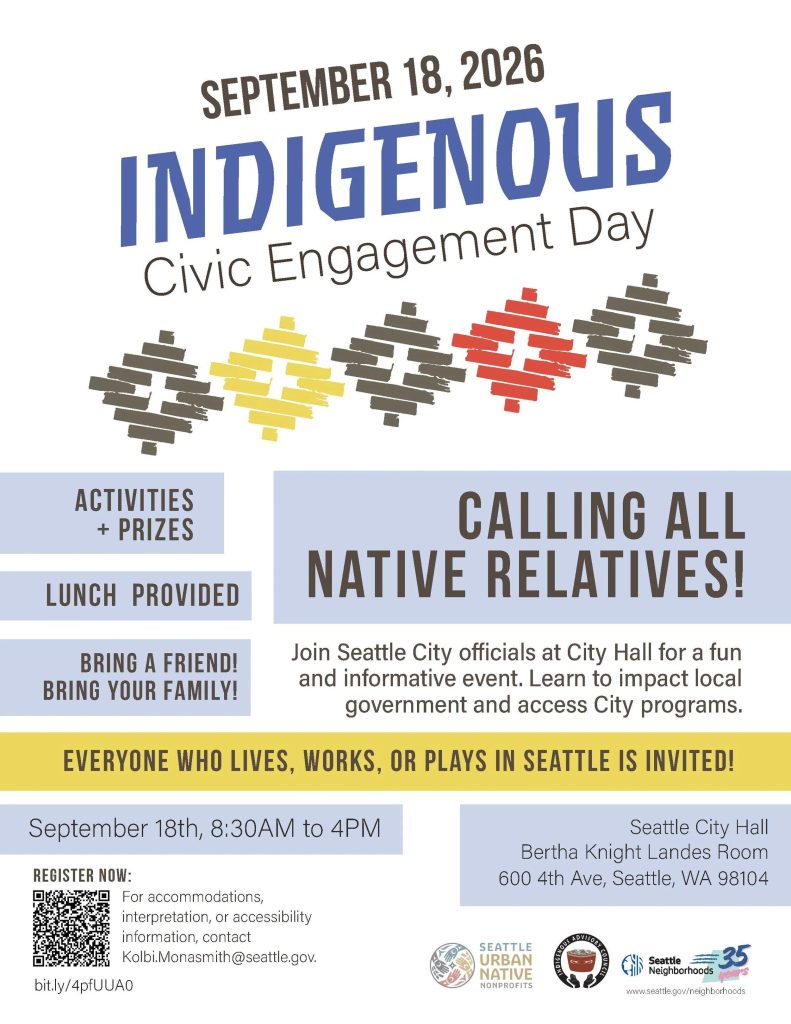
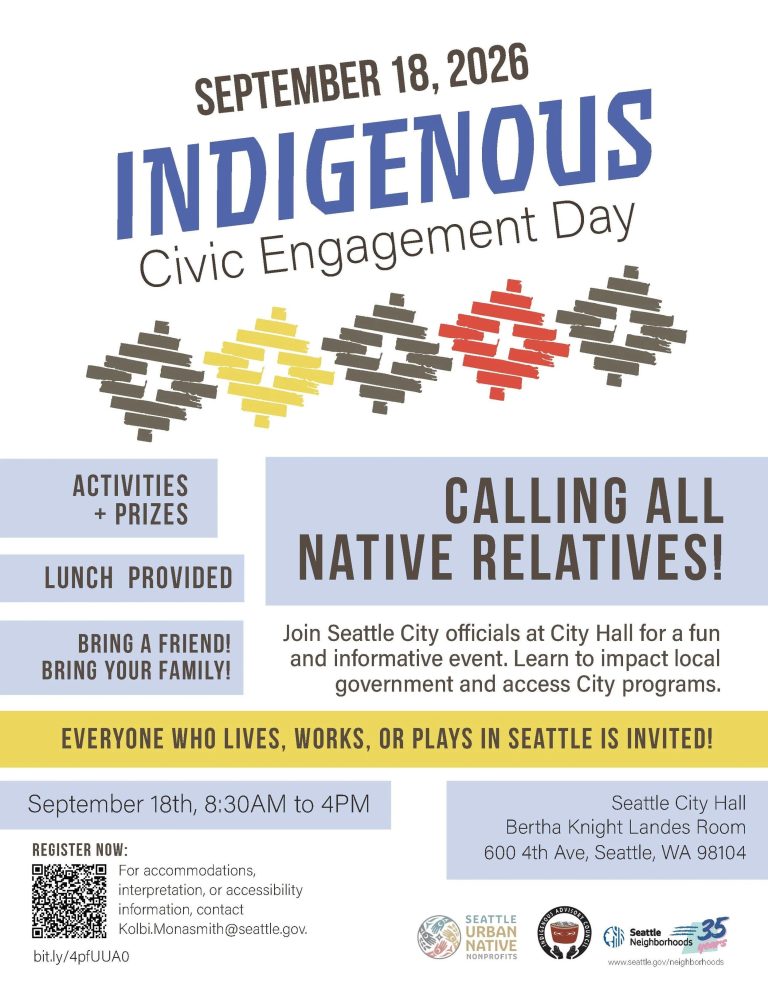
The City of Seattle is holding its inaugural Indigenous Civic Engagement Day for urban Natives Friday.
As Brian Bull of Underscore Native News reports, the goal is to help the city’s Native population connect with officials, services, and funding opportunities.
Since 2023, Seattle has held a bi-annual Tribal Summit for members of recognized tribes within the state of Washington, but feedback from several attendees said they would appreciate an event for those Natives who are not necessarily from that group, including Native Hawaiian, Alaska Native, and tribes from other parts of the United States.
So Kolbi Monasmith (Cherokee), who is with the Indigenous Advisory Council, says all day Friday, Seattle’s city hall will be open for those interested in learning more.
“Starting on a base level of: How does the City of Seattle work? How do you advocate for policy within that system? How do you advocate within the city budget system? How does that budget system even work? To build up the knowledge and also build those connections.”
Tia Yazzie (Diné), who is also with the Indigenous Advisory Council, said Native voices often go unheard within local politics, so organizers wanted a day and space for people to participate, advocate, and learn about the processes within the Seattle system.
“But also to have a fun day. We know learning about these things can be very hard and complex, but we want things to be fun for our families and for also the youth to be involved. So that was one of our big goals, was to have the native community, but also youth involved into this whole community event.”
To that end, there will be bingo cards, and demonstrations on beading and making lanyards, as well as headshots taken during the event.
It is also the five-year anniversary for the nine-member Indigenous Advisory Council. Yazzie says this has encouraged engagement.
“Seattle’s unique in that we have a very special urban native environment and community here that wants to engage in these processes more often than not, and then also to create these programs such as the civic engagement day for or make a space for us, and I think that’s one of the reasons why the IAC was created.”
Surveys will be sent to attendees of Friday’s civic engagement day to see how effective the City of Seattle was at educating and connecting with its urban Natives.
(Courtesy College of Menominee Nation)
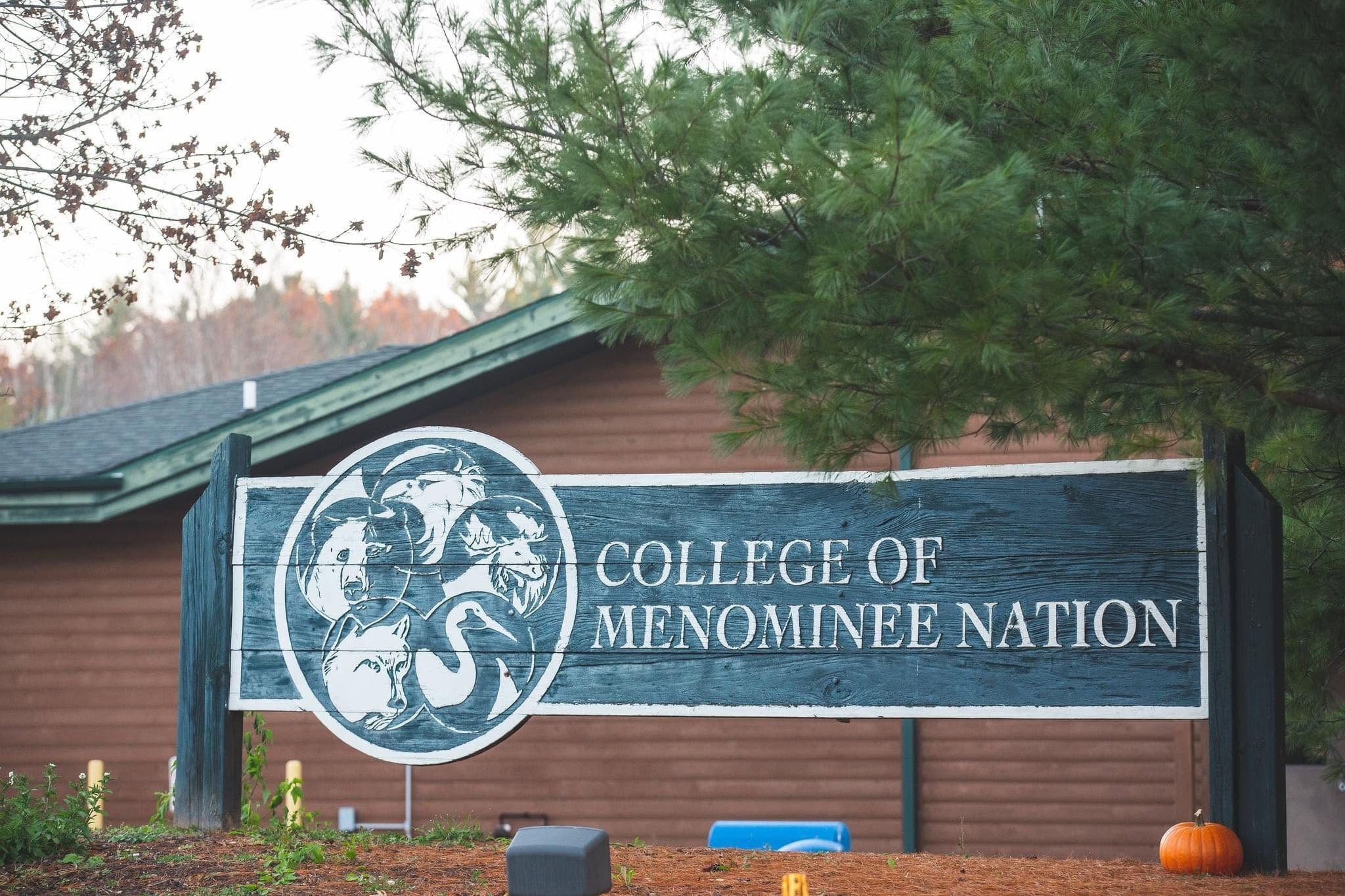
Tribal Colleges and Universities are a valuable resource for both Native and non-Native residents, but a new report finds the institutions are facing a growing funding squeeze, as Judith Ruiz-Branch reports.
A new analysis finds TCUs in Wisconsin are producing measurable economic returns while struggling with longstanding funding disparities.
Now, one is focusing its efforts on philanthropy to secure a successful future for students.
Findings from the Brookings Institution and the American Indian College Fund show federal support for Tribal campuses has fallen more than 7% over the past decade, despite treaty and trust obligations.
College of Menominee Nation President Chris Caldwell says despite their economic value and community impact, Tribal institutions have long needed to advocate for equitable funding and resources that mainstream institutions more readily access.
“In grant programs, often times we wear a lot of hats here that mainstream institutions don’t have to wear just because of lack of staffing or resources. So being competitive in that context is always a challenge.”
The report says every $1.00 invested in TCUs returns $1.60 in tax revenue and public sector savings.
A separate economic impact study found CMN generated $16 million for surrounding counties in one year.
Caldwell says the college is now increasing its focus on securing philanthropy contributions and demonstrating the impact on students’ lives. A graduate of CMN, he says his experience as a student helped put him on the path to becoming its president.
“If we were to look around before the college started to today, you would see a big change in how many Tribal members are in high leadership areas, and not just on our reservation, but in surrounding communities.”
The report recommends Congress make greater use of mandatory funding when supporting Native communities, suggesting that strategy would help Tribal colleges plan ahead.
American Indian College Fund President Cheryl Crazy Bull says investments in Tribal communities are once again becoming an afterthought – and warns proposed cuts could threaten schools just as they’re finding new ways to reach students.
“We’re becoming very adept at online education, so the Tribal colleges are able to bring that culturally rich education that Native people want, where they see themselves and they go to school with each other, even online.”
Advocates note the federal government also does not provide enough detailed information about how much money is actually reaching Tribal communities.
Crazy Bull says they are pushing for improved data access so Native-serving institutions can determine where the biggest unmet needs remain.
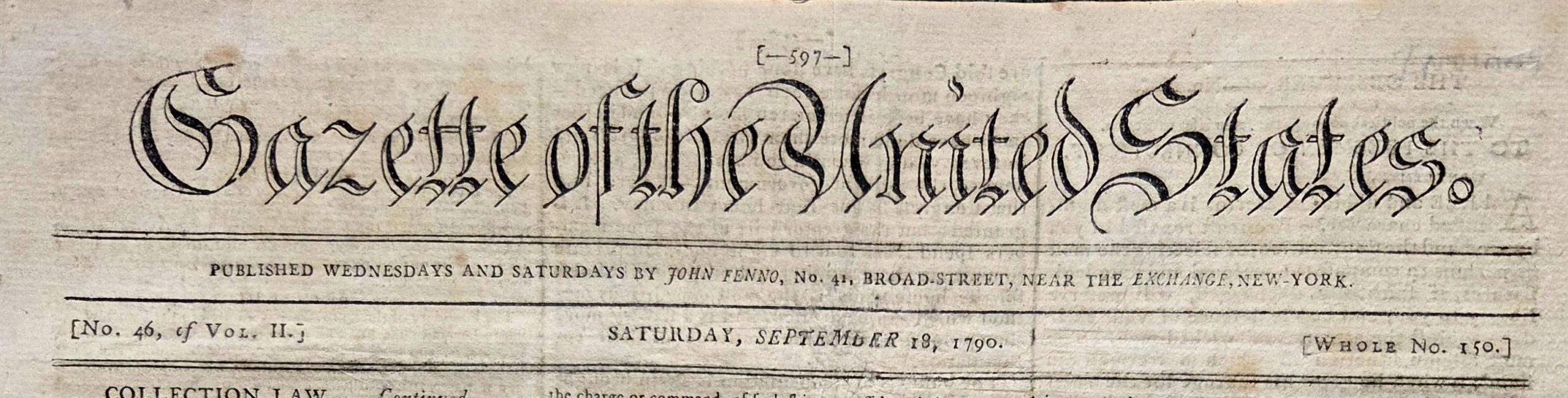
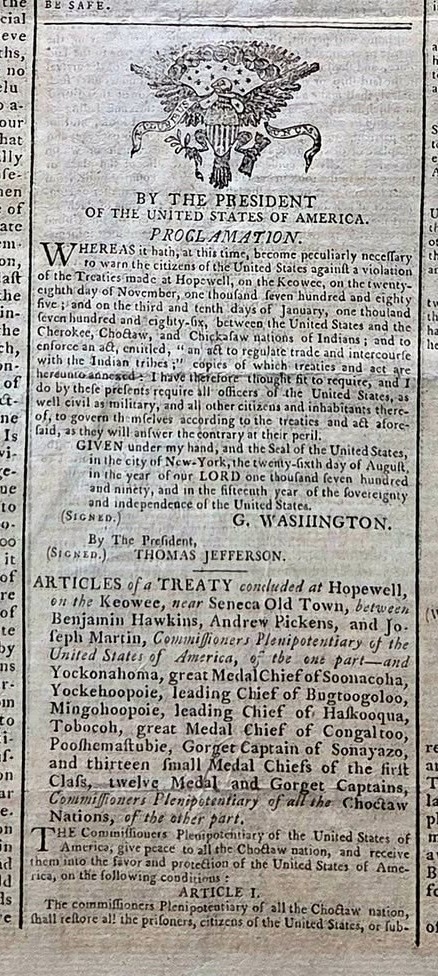
And on this day in 1790, a presidential proclamation concerning treaty violations against Native nations appeared in a U.S. newspaper.
President George Washington responded to violations of treaties between the United States and the Cherokee, Choctaw, and Chickasaw Nations.
The proclamation came during the early years of U.S. treaty-making with sovereign Native nations.
Get National Native News delivered to your inbox daily. Sign up for our daily newsletter today.
Download our NV1 Android or iOs App for breaking news alerts.
Check out today’s Native America Calling episode
Friday, September 18, 2026 — Native Playlist: Kole Galbraith and Laura Ortman

Leave a Reply