Podcast: Play in new window | Download | Embed
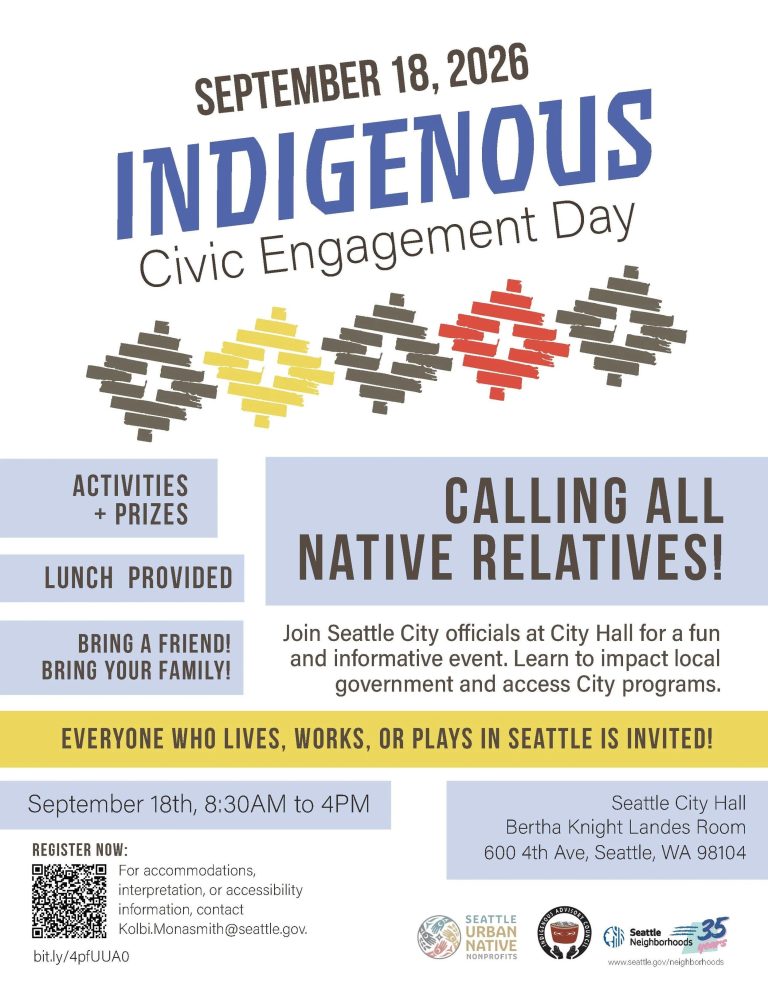
Efforts to encourage more Native Americans to vote are underway in more than a dozen states this year.
Chuck Quirmbach reports on how things are going in Wisconsin, ahead of the state primary contests on August 11.
The nonpartisan group Wisconsin Native Vote is about a decade old, and is now up to four organizers around the state.
They have already been doing outreach at Pow Wows and a variety of other community events.
Spokesperson and organizer Anne Egan-Waukau (Menominee) says a key message is that voting is a way to make sure Native voices are heard.
“We tell people to vote for the Seventh Generation. That’s what really resonates with people, because our ancestors worked to make sure Mother Earth was clean and healthy for us. And, it’s our job to do that for our next seven generations. But also, it’s working to maintain our sovereignty.”
Egan-Waukau says tribal sovereignty is an especially powerful theme for the Menominee, which only won back full tribal status in the early 1970’s after much activism and debate with state and federal elected officials.
Still, this is not a presidential election year, and Wisconsin only has high-profile races for Governor, the U.S. House of Representatives, and the state legislature.
Statewide voter turnout is expected to be down from 2024, but Egan-Waukau says there are some big problems, new and ongoing, likely to motivate tribal members to vote.
“Like we had listening sessions and people came to talk to us about issues important to them, like data centers, the opioid problem we have on our reservations.”
Egan-Waukau says she does encounter people who are cynical about voting and politicians, but she says she asks them do they really want to do nothing at election time.
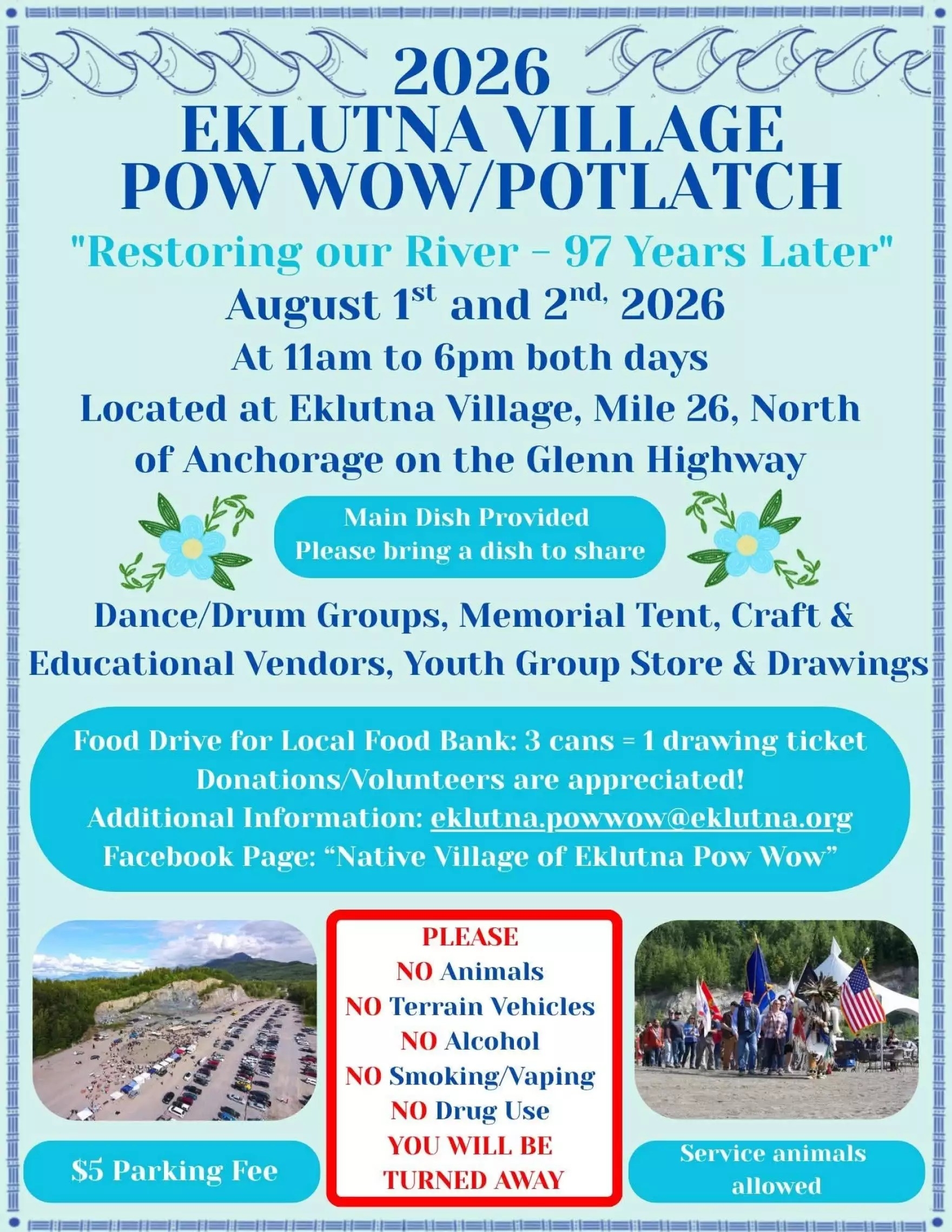 The Eklutna Tribe’s Pow Wow and Potlatch happens only once every two years, but when it does, it draws hundreds of people to the village of Eklutna near Anchorage, as Rhonda McBride from our flagship station KNBA reports.
The weekend of dancing, drumming, and feasting kicked off Saturday morning at the tribe’s Pow Wow grounds.
Aaron Leggett, the president of the Native Village of Eklutna, says what makes him most proud is that no one leaves hungry, because the tribe feeds everyone.
“We’ll have moose, various types of moose stew, and roast and fish, salmon. It’s just sort of our way of really being open and good community partners.”
Many also bring dishes to share. Leggett says the tribe had plenty to celebrate this year — including the groundbreaking for its long-awaited gathering hall, funded in part by the success of its new casino.

The Chin’an Gaming Hall is in a temporary, modular near the Birchwood Airport. (Photo: Rhonda McBride)
But more than anything, Leggett says, the gathering is a chance for Anchorage, Chugiak, and Eagle River to get to know their neighbors in the village of Eklutna.
“There’s certainly people that wouldn’t necessarily, you know, when think of Eklutna, maybe they would think of the cemetery and the church but don’t really have any sense of it. The Pow Wow, the Potlatch, really was our way of increasing awareness to the community and building that up.”
The theme for this year’s event was “Restoring our River — 97 Years Later”.
It highlighted the tribe’s efforts to restore the natural flow of the Eklutna River and its wild salmon runs.
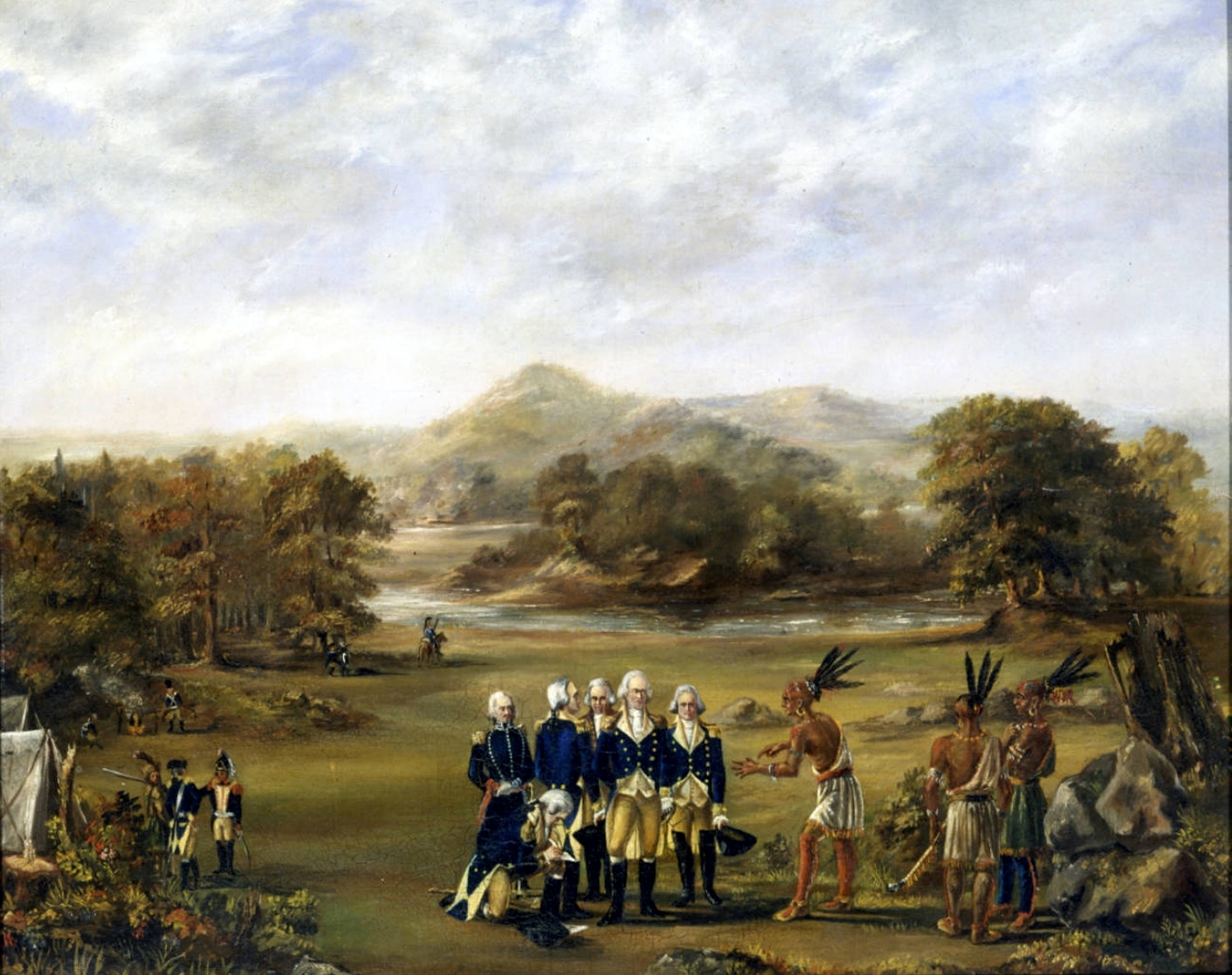
Treaty of Greenville depiction, 1795, artist unknown.
On this day in 1795, the Treaty of Greenville was signed, ending the Northwest Indian War.
The agreement between the U.S. and several Tribal Nations ceded much of present-day Ohio to the U.S., marking a major turning point in federal-Tribal relations and westward expansion.

Page 1 of the Treaty of Greenville.
Get National Native News delivered to your inbox daily. Sign up for our daily newsletter today.
Download our NV1 Android or iOs App for breaking news alerts.
Check out today’s Native America Calling episode
Monday, August 3, 2026 — New outbreak of food-borne illness shakes public confidence in food supply