Podcast: Play in new window | Download | Embed
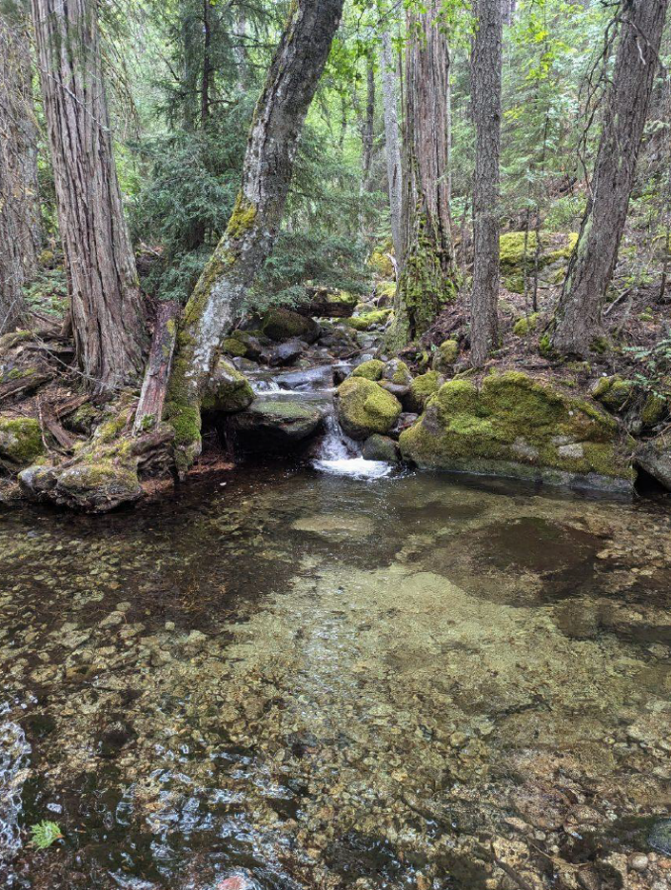
Photo: The territory being purchased encompasses the headwaters of various tributaries to the Scott River in Siskiyou County in the Klamath River Basin. (Courtesy Trust for Public Land)
California is moving forward with what could become the second largest tribal land return in state history.
The California State Water Resources Control Board has approved $25 million in financing to help the Quartz Valley Indian Reservation acquire nearly 40,000 acres of the Scott River headwaters in Northern California’s Klamath River Basin.
The acquisition would return ancestral lands that include salmon-bearing streams, cultural sites, forests, and critical drinking water resources to tribal stewardship.
Quartz Valley Indian Reservation Chairman Leonard Lincoln says the project marks a truly historic moment for the tribe. He says for a tribe that was once terminated and subsequently confined to just 2,000 acres, reclaiming nearly 40,000 acres of our ancestral territory is a monumental victory that secures our sovereignty and our people.
The acquisition is being supported by Trust for Public Land and the current landowner, EFM Investments and Advisory.
Trust for Public Land says returning the land to tribal stewardship will help protect clean water, restore salmon habitat, improve forest health, and strengthen climate resilience throughout the Klamath River Basin while expanding opportunities for cultural access, ecological restoration, and conservation jobs.
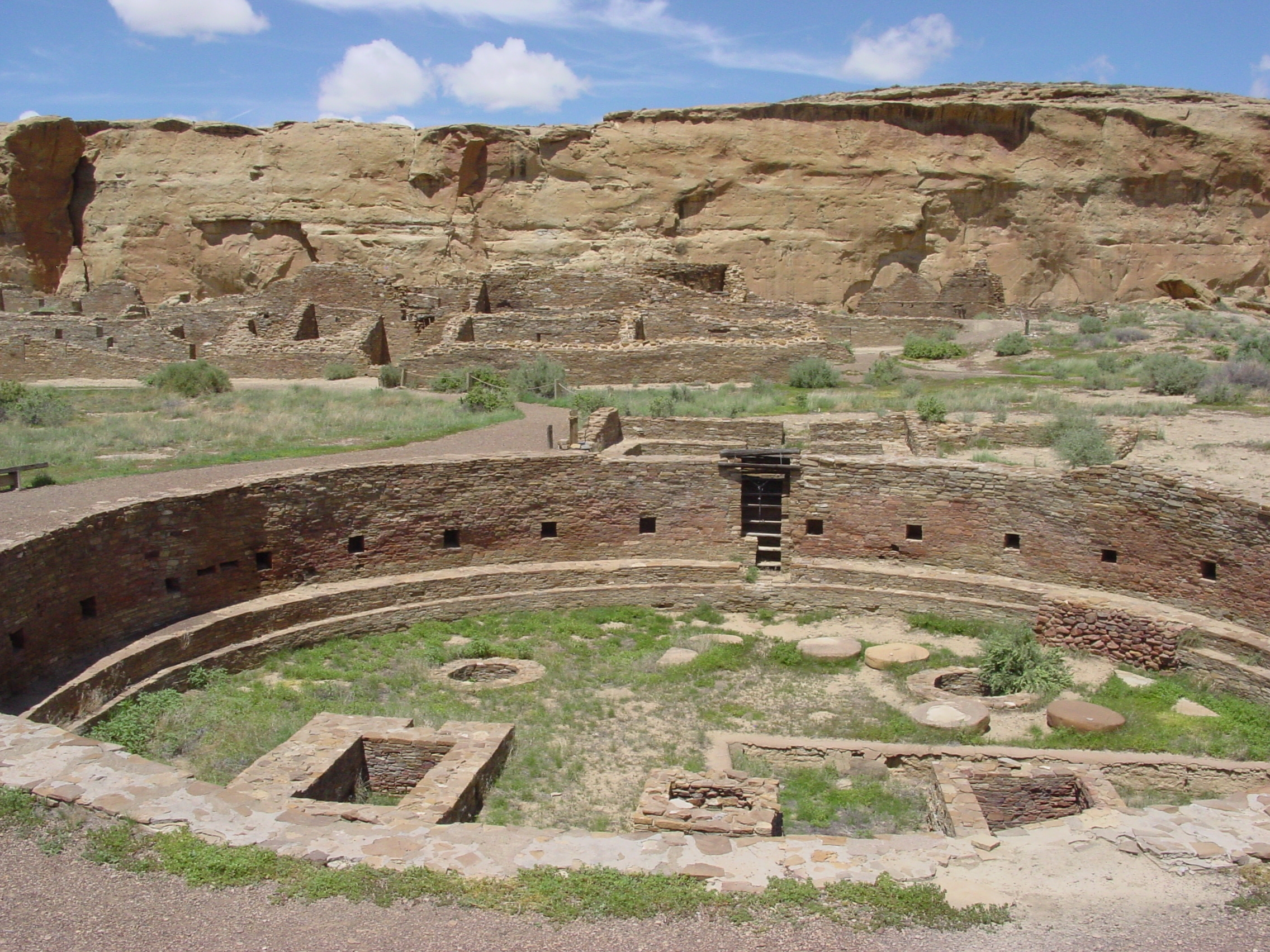
The great kiva in the plaza of Chetro Ketl at Chaco Canyon National Historic Park in New Mexico. (Courtesy National Park Service)
The Trump administration is considering a complete or partial reversal of a 20-year federal mineral ban on new oil and gas leasing that protects New Mexico’s Greater Chaco region, and time for public comment is running out.
Roz Brown explains.
The Department of the Interior says revoking protections on a landscape that holds cultural importance for Indigenous people could boost oil production by more than two million barrels over the next 20 years.
Jesse Deubel from the New Mexico Wildlife Federation says despite the importance of oil and gas to New Mexicans’ livelihood and the state’s economy, some things are priceless.
“It’s really important to understand that there are some places where it is absolutely inappropriate to risk destruction of sacred sites for the idea that there might be some amount of oil and gas underneath that mineral estate.”
The administration is looking at three options: keep a current 10-mile buffer in place, cut it to five miles, or revoke it entirely, which could destroy artifacts and architecture. It argues maximizing fossil fuel production through increased drilling could lower utility and fuel costs and bolster national security.
The public has until this Wednesday to comment online through the Bureau of Land Management’s NEPA web page.
The Federation’s Andrew Black, a public lands field director in New Mexico, says there is a good reason Chaco is designated a UNESCO World Heritage site — one of only 24 such sites in the U.S.
“9th to 13th century complex Pueblo cultural settlements with multi-story houses, sacred sites… the architecture is truly unbelievable. Uh, just from that perspective alone, it is remarkable.”
Last week, the New Mexico congressional delegation called on Interior Secretary Doug Burgum to extend the public comment period to 90 days, conduct tribal consultation, and allow extensive public engagement before making a decision.
Black says it is the least that should be done.
“After various archaeological surveys and studies, that area was determined to have the greatest amount of cultural resources within it. More study and more examination and more analysis needed to be done within that buffer zone.”
The buffer zone is home to bobcats, pronghorn, elk and deer, coyotes, bald eagles, small mammals, and various reptiles.
New Mexico Senator Martin Heinrich calls on the Interior Department to reconsider its oil and gas proposal and honor the public land order approved by the Biden administration in 2023.
Get National Native News delivered to your inbox daily. Sign up for our daily newsletter today.
Download our NV1 Android or iOs App for breaking news alerts.
Check out today’s Native America Calling episode