Podcast: Play in new window | Download | Embed
A new NOVA documentary is highlighting Indigenous science and knowledge developed over thousands of years.
“Knowledge Keepers” explores how Native communities have used observation, experimentation, and relationships with the natural world to sustain their people.
The film features communities across North America and the knowledge they are working to carry forward.
For filmmaker Daniel Golding, a citizen of the Fort Yuma Quechan Indian Tribe, the project begins by reconsidering what we call science.
“I think, a lot of times we think of what science is, is from a Western perspective, but I think, if you really understand, deconstruct it and understand how Indigenous people have held this knowledge of this land, and how to live on it, work with it, and develop it, you know, they’ve developed their own sort of form of science that is a little bit different from Western science.”
One of the people featured in the film is Roberto Nutlouis, executive director of Nihikeya, a Diné organization working to restore traditional ecological and cultural practices on the Navajo Nation.
Nutlouis says Indigenous knowledge can offer solutions to challenges communities face today.
“I think for me, both for our own community, as well as the larger audience, is to demonstrate that Indigenous knowledge is not primitive, is not backward, that it holds so much potential solutions for the issues of our times.”
For Nutlouis, preserving that knowledge also means refusing to treat culture as something that exists only in history.
“We have to put it into the present tense, and in order to put it into the present tense, there has to be action behind it. There has to be some relevancy, applied nature to it.”
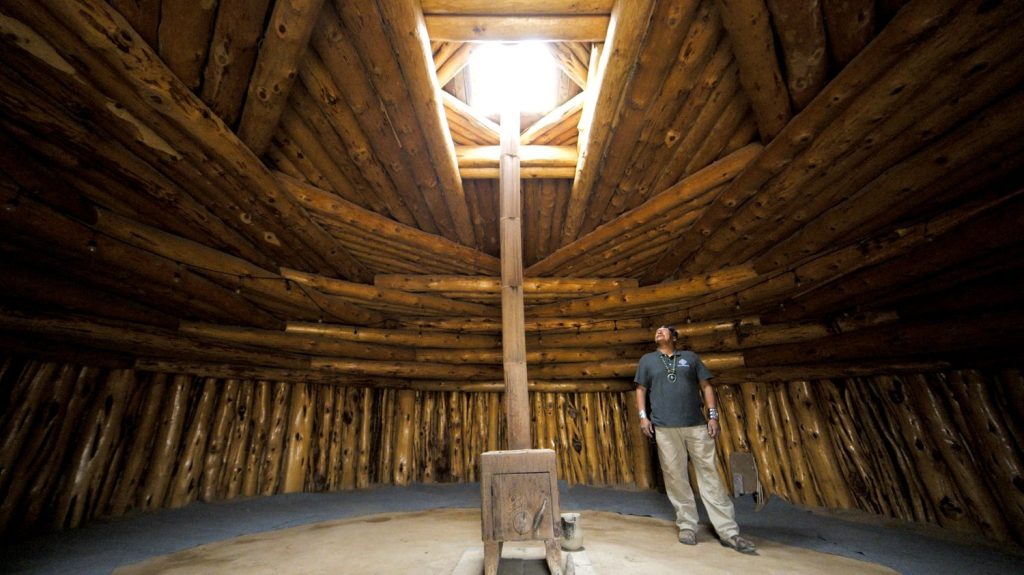
The documentary also explores Indigenous knowledge through Arctic navigation, traditional home construction, and coastal aquaculture.
Golding says making the film changed the way he looks at his own relationship with the environment. And he hopes viewers reconsider what Indigenous knowledge can teach them about the places where they live.
“Well, I think what I’ve been preaching now after I completed this is just, you know, go outside and take a look at your environment. See how you can work with it. See what kind of change you can make to better your place.”
“Knowledge Keepers” was produced by Hokan Media in association with Vision Maker Media for NOVA.
It premieres September 23 on PBS stations and streaming.
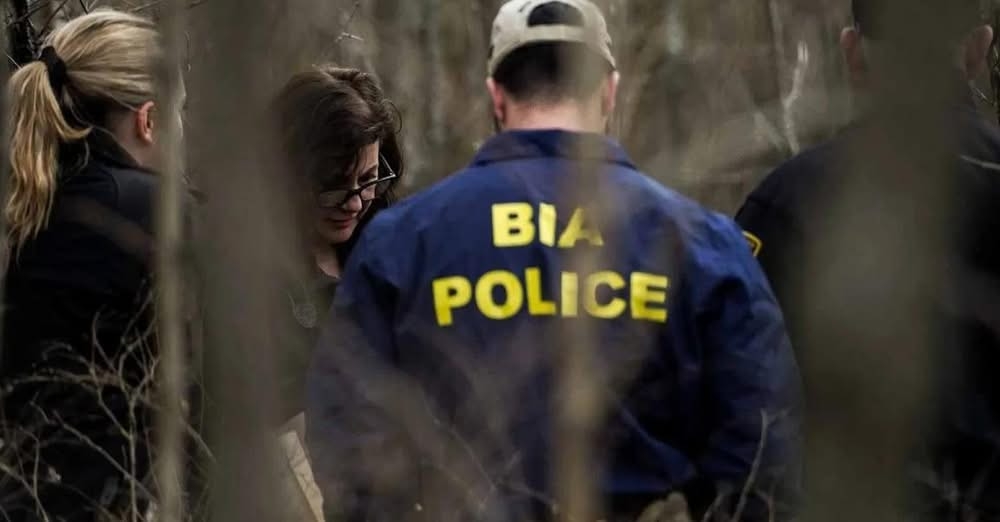 A new federal audit finds staffing shortages and case backlogs have hindered the Bureau of Indian Affairs’ efforts to investigate missing and murdered Indigenous people.
The U.S. Interior Department’s Inspector General found BIA’s Missing and Murdered Unit had 83 open cases and nearly 400 referrals awaiting review as of November 2024.
The Associated Press reports nearly half of the unit’s positions were still vacant last year.
Sarah Deer, a University of Kansas law professor, says the problems compound the grief families already face.
“A system designed as a response to that history cannot ask families to keep waiting.”
BIA says it has taken steps to improve case processing and victim services following the audit.
Get National Native News delivered to your inbox daily. Sign up for our daily newsletter today.
Download our NV1 Android or iOs App for breaking news alerts.
Check out today’s Native America Calling episode

Leave a Reply