Podcast: Play in new window | Download | Embed
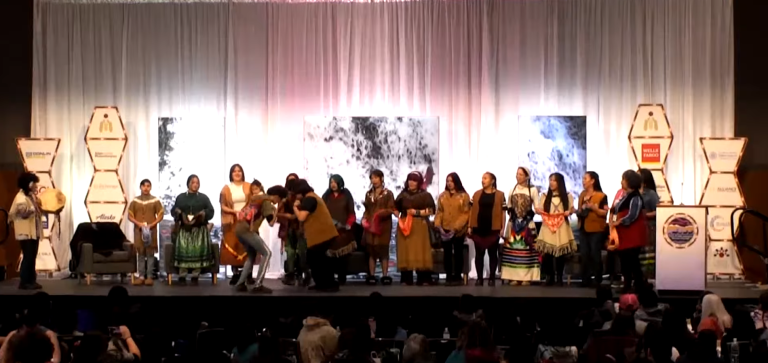
Photo: “Water is life. Life is water”, said AFN Newfoundland Regional Chief Brendan Mitchell during the 2026 Assembly of First Nations. (Courtesy Assembly of First Nations / Facebook)
First Nations chiefs in Canada have gathered in Ottawa for a three-day general assembly.
High on the agenda for the Assembly of First Nations (AFN) is the issue of clean water.
As Dan Karpenchuk reports, many of the chiefs say Ottwa’s new proposed clean water legislation appears to walk back their hard won rights.
The new proposed legislation is in line with a preivous bill that failed to pass under the government of former Prime Minister Justin Trudeau.
Some chiefs are taking issue with new changes to the wording that no longer explicitly recognizes First Nations rights to clean drinking water … as a human right.
The new bill was recently introduced with the aim of making sure that Indigenous people have reliable access to clear drinking water in their communities, according to Algonquins of Pikwakanagan First Nation Chief Greg Sarazin.
“We need to protect water. We need sustainable water. There needs to be legislation that ensures safe, clean, sustainable drinking water.”
About 100 chiefs and community members recently held a march for clean drinking water.
Brendan Mitchell, a regional chief from Newfoundland, says the issue is critical, but no longer appears to be a priority with the federal government.
“Previously in meetings with the former prime minister, three times, I heard him state at a meeting like this, that no relationship was more important to him than his relationship with the Indigenous people of Canada. I’ve yet to hear our current prime minister say that.”
The AFN is considering a proposed resolution that calls on chiefs to demand the right to clean water be included in new legislation.

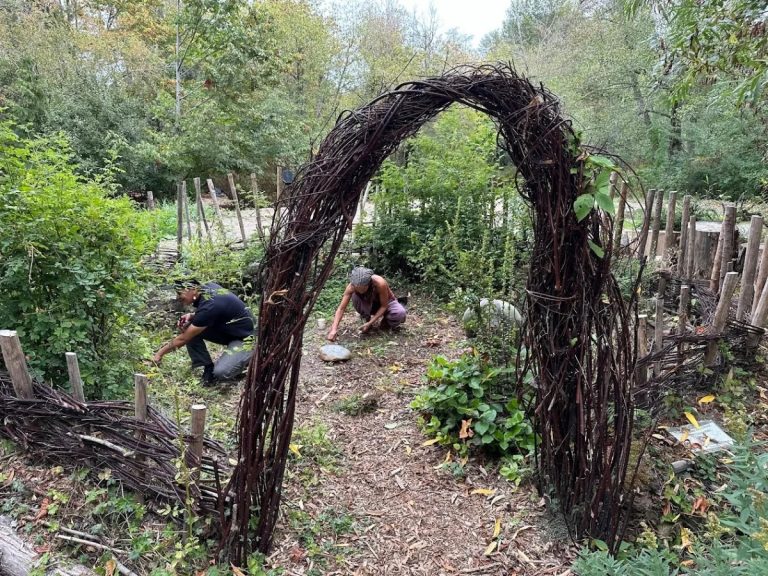
Executive chef Nephi Craig prepares a dish at Café Gozhóó in Whiteriver, Ariz., in Feburary 2026. (Photo: Gabriel Pietrorazio)
The food sovereignty movement is teaching tribes to reclaim healthier and more sustainable food systems. And a new memoir penned by one of Arizona’s most popular Indigenous chefs is giving direction.
KJZZ’s Gabriel Pietrorazio reports.
Executive Chef Nephi Craig is in charge of Café Gozhóó in Whiteriver and is now the author of “Our Knives Will Save Us: Dispatches from a White Mountain Apache Chef”.
“I’m 46 years old and 15 years into my sobriety, and I wanted to write a story that is a tool for others.”
His modern, scratch kitchen inside a renovated gas station employs fellow Apaches recovering from substance abuse.
“This is our legacy: To make health and healing an everyday practice, bringing back ceremonies, planting songs, cooking recipes, hunting, language – all of that great stuff. That way, it doesn’t matter if you’re in New York or on the rez.”
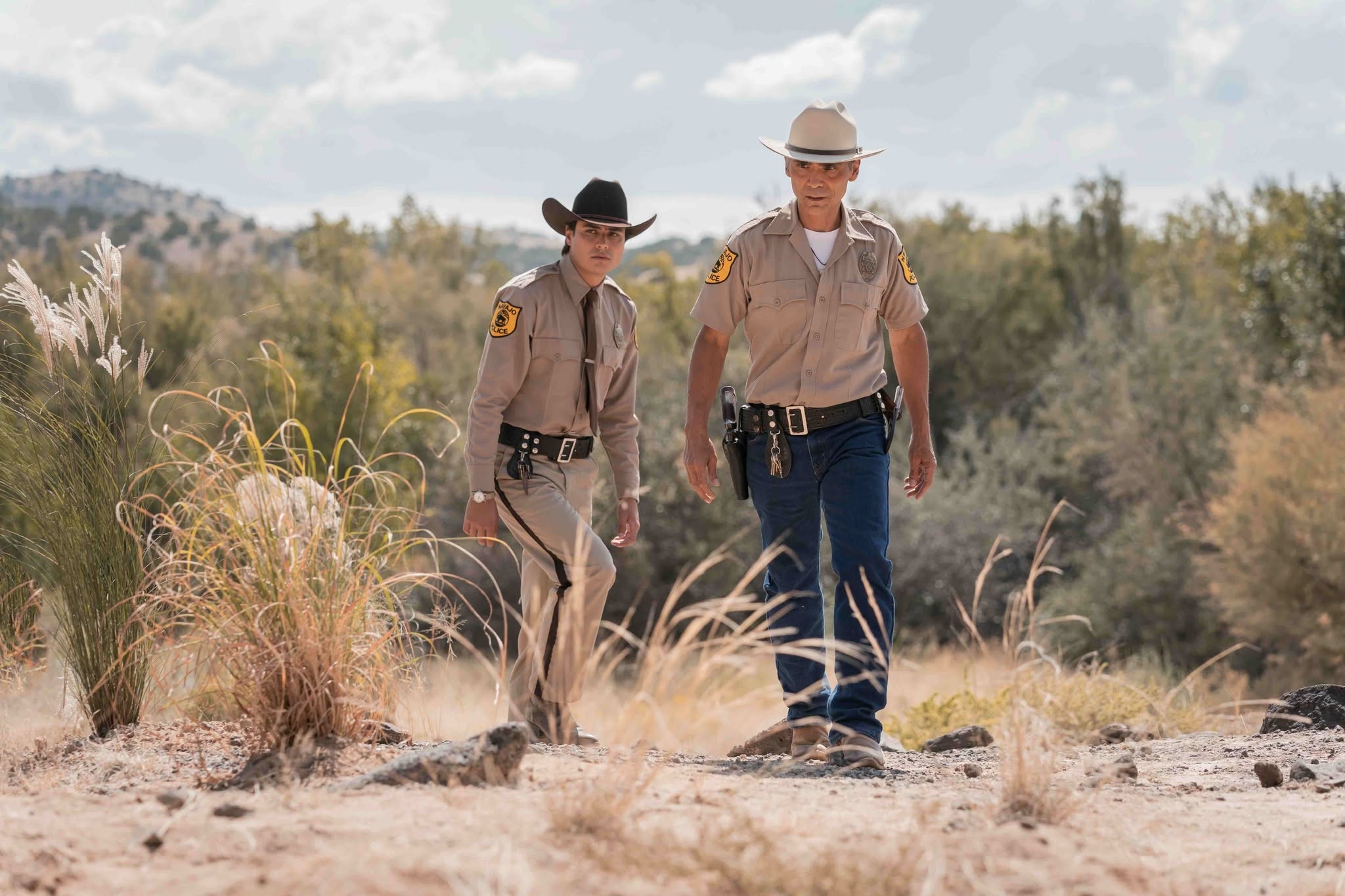
“Dark Winds” shoots in New Mexico. (Courtesy AMC)
New Mexico’s high tax incentives meant to lure film production crews are paying off – even in remote or rural communities. Roz Brown has more.
After reaching a financial high mark in 2022, the state’s film industry took a hit starting the next year, after two Hollywood strikes.
Now, it is showing modest gains, thanks in part to the “Uplift” program, designed to encourage film and television producers to choose more rural communities or those off the beaten path.
Film Office Director Steve Graham says productions spent $325 million in the recent fiscal year – nearly a quarter in locations beyond Santa Fe and Albuquerque.
“There’s a historically high mark now, from $57 million dollars worth of shooting in the rural areas. It means the uplift worked and it has spread activity across the state.”
Graham says smaller towns such as Truth or Consequences and Ruidoso have shared in the windfall, along with Las Cruces – which is larger than Santa Fe, but failed to attract as many film productions until recently.
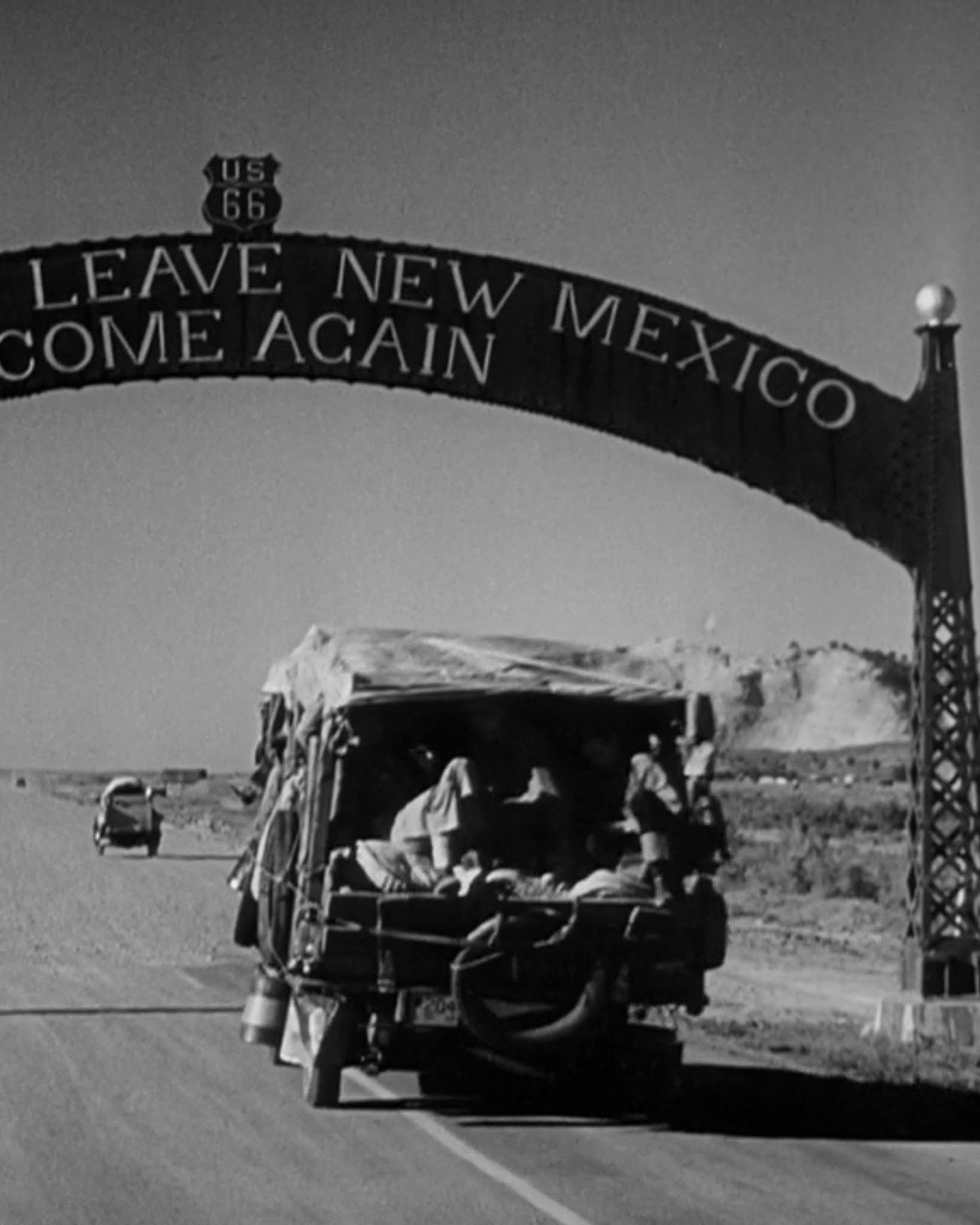
The 1940 film “Grapes of Wrath” shot in New Mexico.
The Uplift program benefitted from Senate Bill 12, which was signed by the governor in 2023 and increased the tax credit from 5-10%.
That is in addition to the state’s 25% base film credit for expenditures on productions filmed at least 60 miles from city halls in Albuquerque or Santa Fe.
New Mexico is among the top five states with the most competitive film and television tax incentives. In the past year, it has hosted 63 productions, including the hit television show, “Dark Winds”.
Graham says great weather, iconic locations, robust infrastructure, world-class crews, and support from local businesses add to its appeal.
“Some of the things that make it hard to shoot in larger jurisdictions, they don’t have to deal with here. Permits are inexpensive or free. Traffic is low or nonexistent. There’s places to park. It’s easy to get around.”
Graham is optimistic about the film industry’s future, but he is also watching a lawsuit New Mexico joined last week to prevent a merger between Paramount Skydance Corporation and Warner Brothers Discovery.
While federal regulators approved the $110 billion transaction, a coalition of attorney generals in 12 U.S. states led by California have since filed an antitrust lawsuit to block the deal.
They claim it would create an illegal monopoly, stifle competition, and hurt entertainment workers.
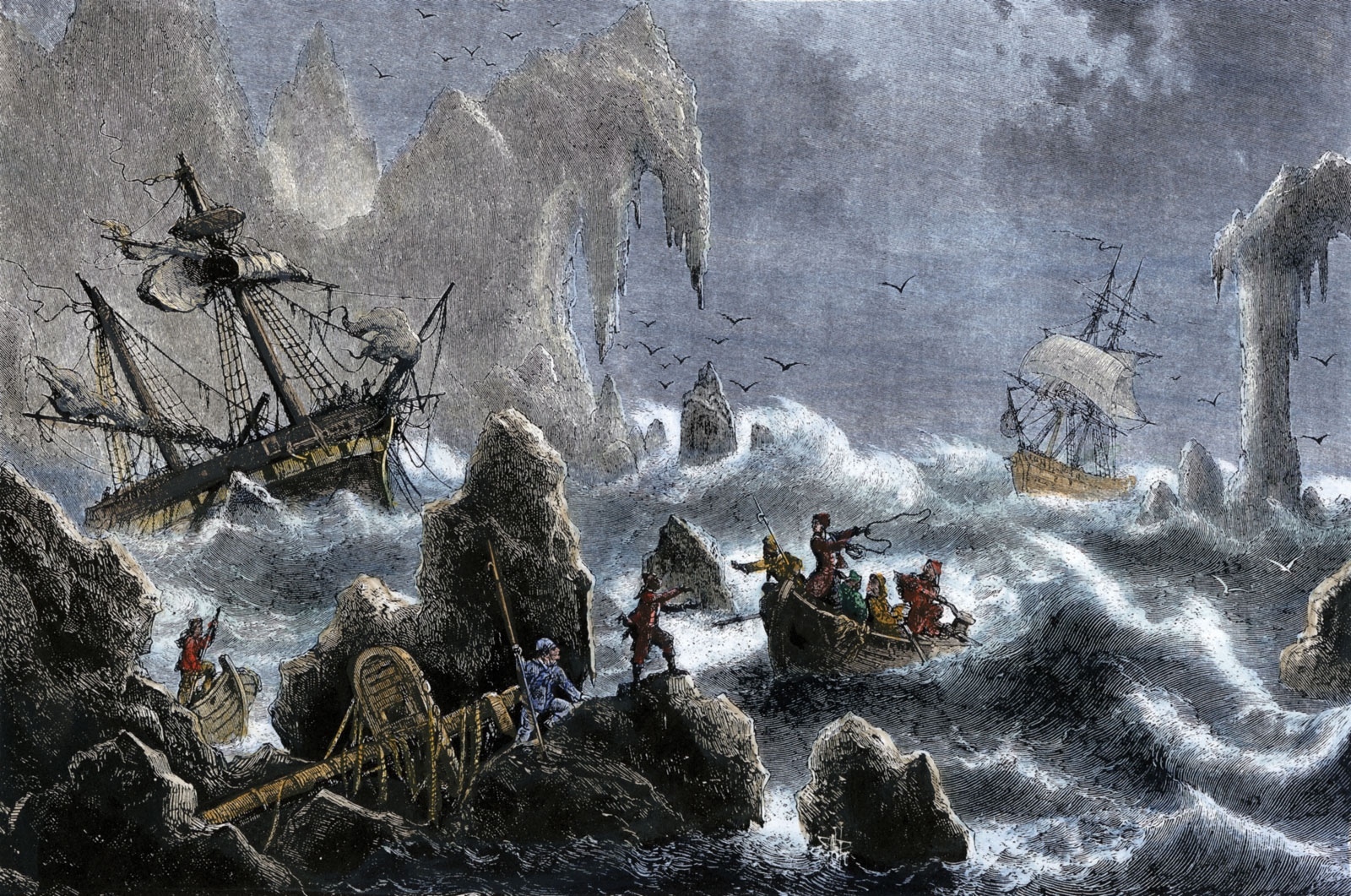
19th Century illustration of Vitus Bering’s expedition wrecked on the Aleutian Islands in 1741.
And on this day in 1741, Danish explorer Vitus Bering, sailing for Russia, sighted Alaska’s coast near Mount St. Elias during the Great Northern Expedition.
The voyage marked the beginning of sustained Russian contact with Alaska Native peoples, forever changing the lives of Unangax̂ (Aleut), Alutiiq/Sugpiaq, Yup’ik, and other Indigenous communities through the fur trade and eventual colonization.
Get National Native News delivered to your inbox daily. Sign up for our daily newsletter today.
Download our NV1 Android or iOs App for breaking news alerts.
Check out today’s Native America Calling episode
Thursday, July 16, 2026 — Tribal leaders condemn Trump’s downsizing of Utah national monuments