Podcast: Play in new window | Download | Embed
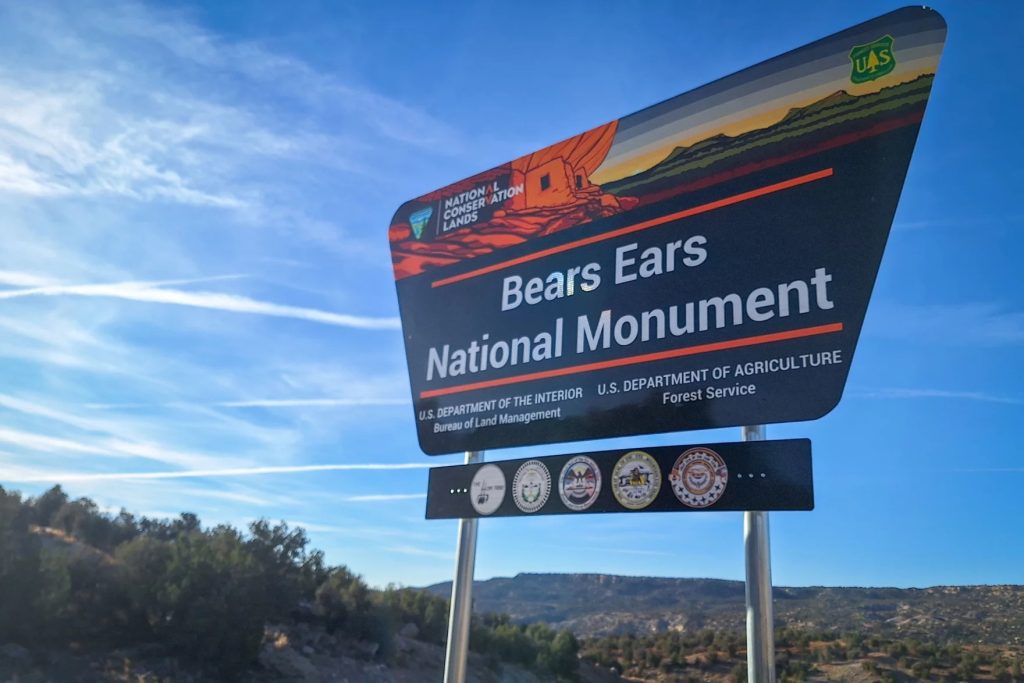
President Donald Trump slashed the size of two national monuments in Utah Monday.
The sites feature ancient cliff dwellings and scenic canyons, as well as coal and uranium deposits.
As Chris Clements of KNAU reports, the move comes over the objections of tribal nations and conservation groups.
President Trump issued proclamations that reduce Bears Ears and Grand Staircase-Escalante by about 90% each.
At a signing event with Gov. Spencer Cox (R-UT), Trump said the reduction gives the land “back” to the people of Utah.
Trump tried shrinking the monuments during his first term, but former President Joe Biden reversed the decision.
Tim Peterson with the conservation nonprofit Grand Canyon Trust says the tribal nations that consider the monuments culturally significant were not consulted.
“That lack of consultation represents a violation of federal trust and treaty obligations to tribes.”
A survey of Utah residents commissioned by the trust in 2024 shows support for keeping both monuments at the size President Biden determined.

Connecticut Justice Alliance (CTJA) Executive Director Christina Quaranta speaks in support of a state senate bill raising the age of arrest in CT and restricting the use of handcuffs on young children in March 2025. (Courtesy CTJA / Vimeo)
Connecticut juvenile justice advocates want the state to halt plans for a new youth detention center, as Edwin J. Viera reports.
The latest Re-entry, Goal-oriented, Individualized Opportunity to Nurture Success (REGIONS) center is slated to fulfill a 2018 law when the state’s last large youth prison closed.
Christina Quaranta with the Connecticut Justice Alliance says that was eight years ago and the state should invest in alternatives to incarceration instead.
“Opening a new facility would be taking many steps backwards. It would be the opposite of progressive and doing what’s right for young people. So, I encourage lawmakers to think about that. The barrier there, folks are like, ‘this is in state statute, this is what we have to do,’ and we really need to get rid of that barrier.”
In considering alternatives to incarceration, Quaranta says the state must ask young people what they need to be engaged and have the programs and services they require, but there is a disconnect between what policymakers know needs to be done and what families and communities are asking for.
Given the short legislative session this year, the state was not able to address alternatives to incarceration.
At the start of the session, Quaranta wanted to see lawmakers review the state Department of Corrections budget to find ways to further alternatives to incarceration for youth, but she says the state must keep investments moving forward rather than stalling.
“As folks are stopping to make policy decisions, or wait for the elections to come and go, whatever the hiccup is, the dollars need to be bound and moved because it’s an urgent issue.”
State lawmakers made some youth justice progress in the 2025 legislative session by approving the Raise the Age law.
The bill raises the age of arrest for children from 10 to 12 years old under certain circumstances this year. The law will raise the age of arrest again in 2028 from 12 to 14, and restrict the use of handcuffs on children under 14.
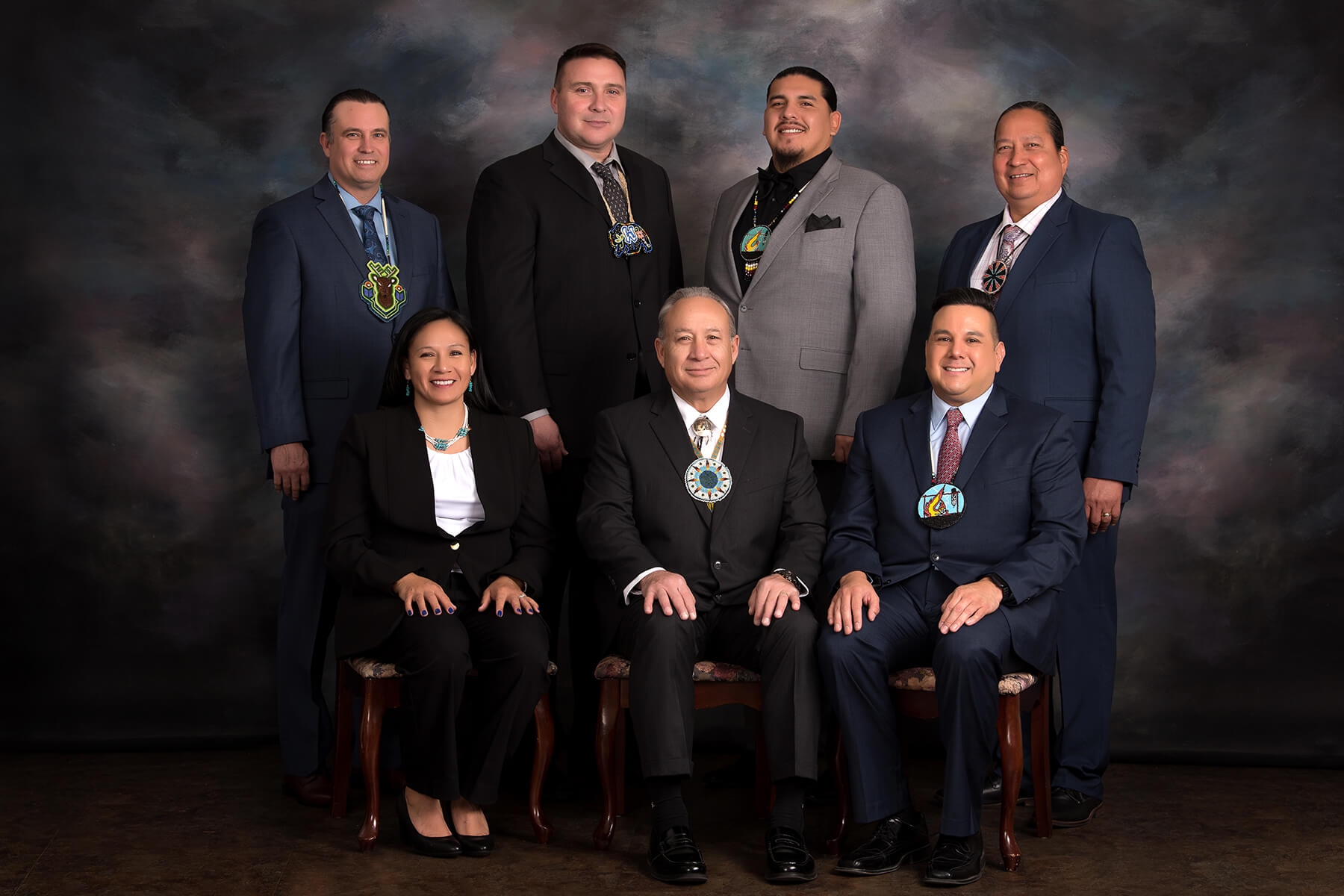
The Prairie Band Potawatomi Nation Tribal Council. (Courtesy Prairie Band Potawatomi Nation)
The Prairie Band Potawatomi Nation has filed a federal lawsuit against the Kansas Lottery, alleging the state is violating tribal sovereignty by selling lottery tickets and operating lottery machines on the Nation’s reservation.
Tribal leaders say the lawsuit seeks to protect treaty rights and enforce the federal Indian Gaming Regulatory Act.
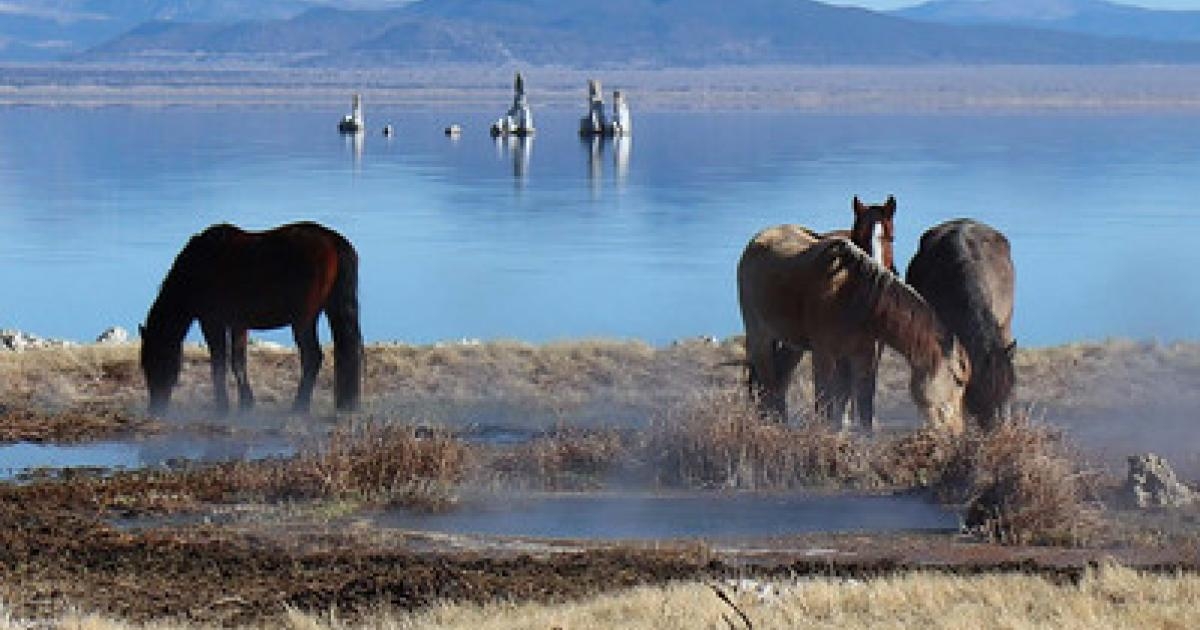
(Courtesy U.S. Bureau of Land Management)
In California, tribal leaders continue to oppose a federal roundup of wild horses near Mono Lake.
The U.S. Bureau of Land Management says the gather is needed because of drought and overgrazing, while tribal leaders argue the horses are culturally significant and want greater tribal involvement in managing the herd.
The Cherokee Nation has awarded nearly $1.9 million in public health and wellness grants to dozens of organizations across its reservation.
Tribal officials say the funding will support community health programs, mental health services, and wellness initiatives throughout northeastern Oklahoma.
Get National Native News delivered to your inbox daily. Sign up for our daily newsletter today.
Download our NV1 Android or iOs App for breaking news alerts.
Check out today’s Native America Calling episode