Podcast: Play in new window | Download | Embed
Tribal fishing access sites along the Columbia River will be getting needed upgrades and repairs, based on the findings of a new federal report, as Isobel Charle reports.
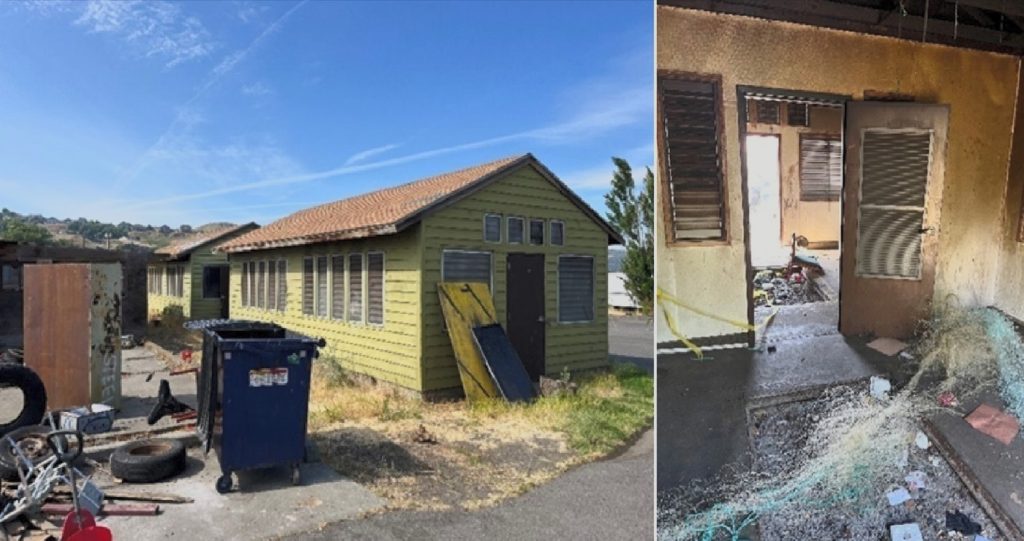
The U.S. Government Accountability Office (GAO) found some infrastructure at 31 fishing access sites along the river – including docks and fish cleaning stations – is breaking down.
Laurie Jordan is with the Columbia River Inter Tribal Fish Commission, which works with the Bureau of Indian Affairs to maintain the sites. She says they are known as jewels of Tribal sovereignty that are still shimmering along the sprawling waterway
“I just can’t stress how fundamental the ability to maintain access to the river and to exercise the fishing right is to the member Tribes of our commission. The treaty rights are a property right. It was taken, and you gotta compensate for that.”
The fishing access locations were built by the federal government after 1930s dam construction flooded traditional fishing areas. Under their treaties, four Columbia River Tribes retain fishing rights.
Jordan says the Tribes look forward to improvements, including restroom repairs, additions, and updates to water systems.
Anna Maria Ortiz is with the GAO. She says the report also looked at why the repairs have been delayed for so long.
“If BIA could be more effective in terms of its internal communications, the way it maintains data, and its funding formula, it would have a better chance at improving the safety and sanitation of these sites.”
Jordan adds with all the steps to secure funding, design the changes, permits and construction, it will likely take a couple years before the repairs and updates are done.
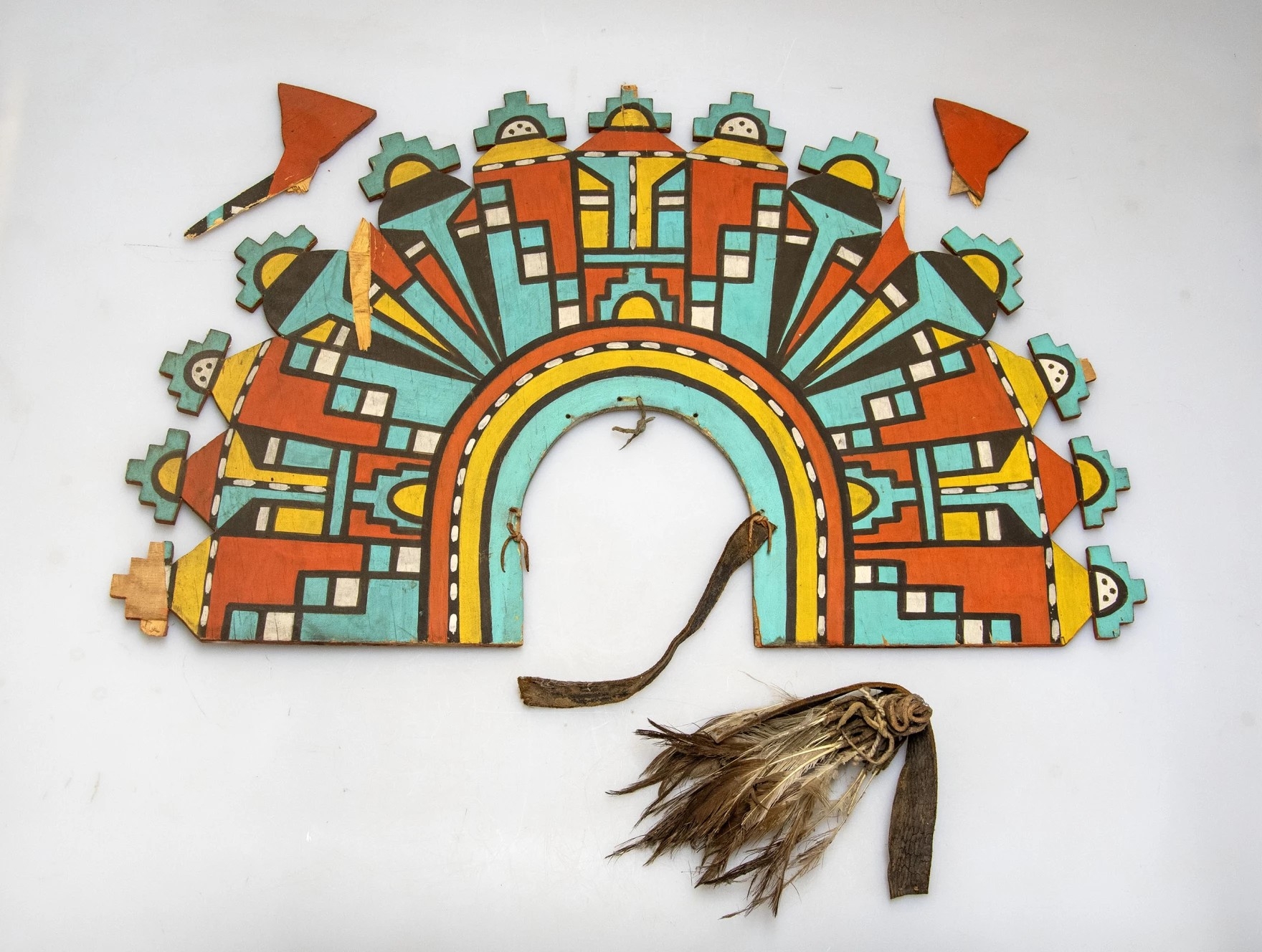
The damaged Hopi headdress (kopatsoki) from the Desert View Watchtower at Grand Canyon National Park. (Courtesy National Park Service)
Grand Canyon National Park rangers are still seeking the public’s help identifying a tourist who damaged a tribal artifact last month while trying to photograph it.
KJZZ’s Gabriel Pietrorazio has more on the broken piece and its famed artist.
According to witnesses, a white man – believed to be in his 60s or 70s – fell while standing atop furniture inside the Desert View Watchtower.
Staff rendered first aid to the man, who left before law enforcement was dispatched.
The colorful, hand-carved wooden crown worn during Butterfly Dance ceremonies was fashioned years ago by the late Fred Kabotie.
Kelley Hayes-Gilpin is with the Museum of Northern Arizona.
“If people have heard of one Hopi artist, it’ll be Fred Kabotie.”
Kabotie worked alongside architect Mary Coulter to depict Kiva murals inside the South Rim watchtower.
Meg Kabotie is one of his granddaughters.
“I remember one of the stories. There was like a certain color of blue that she was trying to get. He kept having to go up and down the ladder and it still wasn’t the right color and he finally slashed open the whole tube of paint – just kind of a renaissance man.”
The damaged headdress is being evaluated to see whether repairs can be made.
“It’s hard to see people not caring about beautiful pieces of artwork or artifacts or things that are very sacred and special, and just kind of being dumb tourists.”
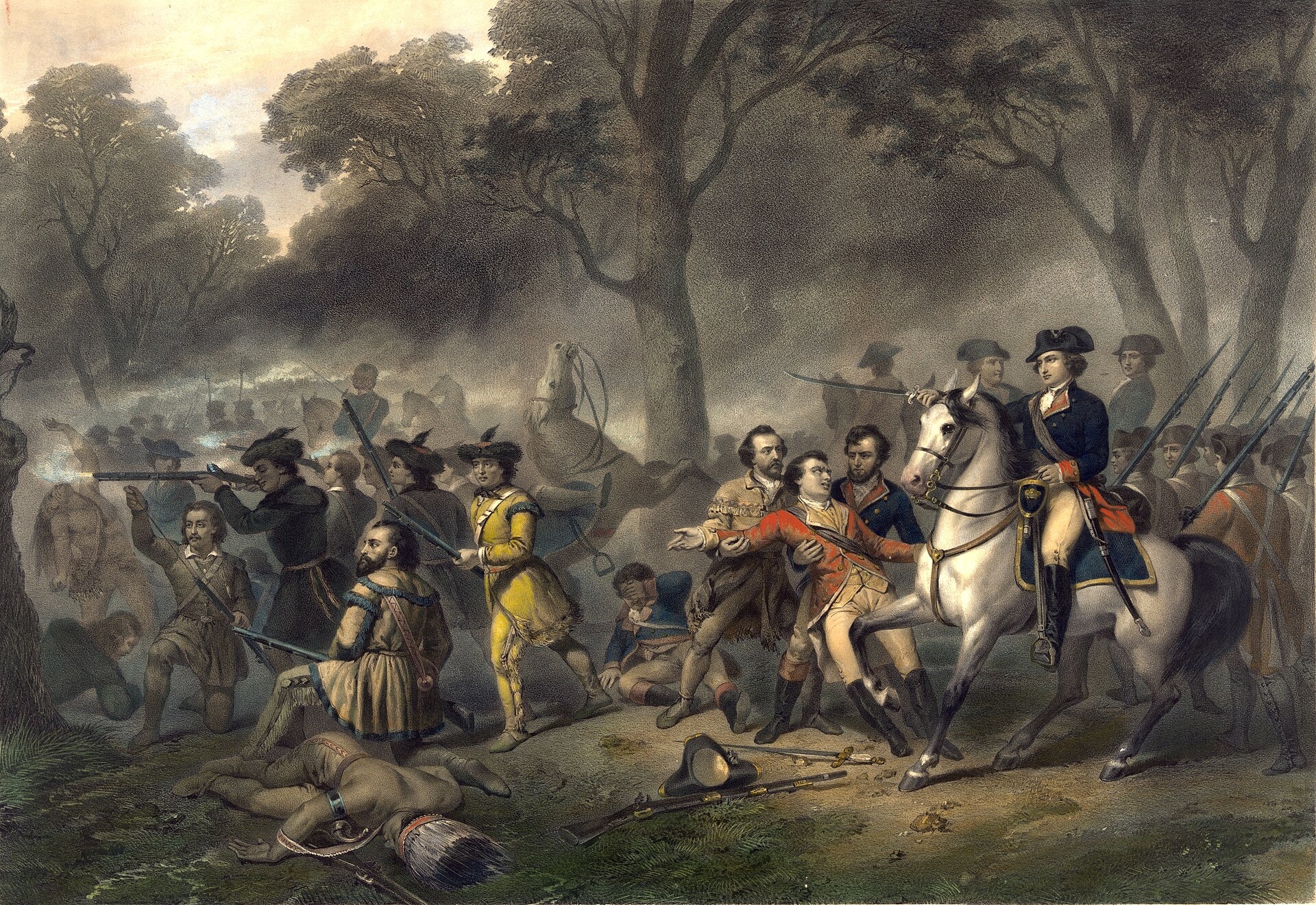
The oil painting “Washington the Soldier” by Jacques Auguste Regnier depicts the battle. (Courtesy Library of Congress)
On this day in 1755 at the Battle of the Monongahela, French forces and their Indigenous allies defeated a British army led by Edward Braddock.
Warriors from several Indigenous nations, including members of the Haudenosaunee Confederacy on different sides of the conflict, played a major role in the outcome.
Get National Native News delivered to your inbox daily. Sign up for our daily newsletter today.
Download our NV1 Android or iOs App for breaking news alerts.
Check out today’s Native America Calling episode
Thursday, July 9, 2026 – Native programs aimed at cultivating responsible tourism