Podcast: Play in new window | Download | Embed
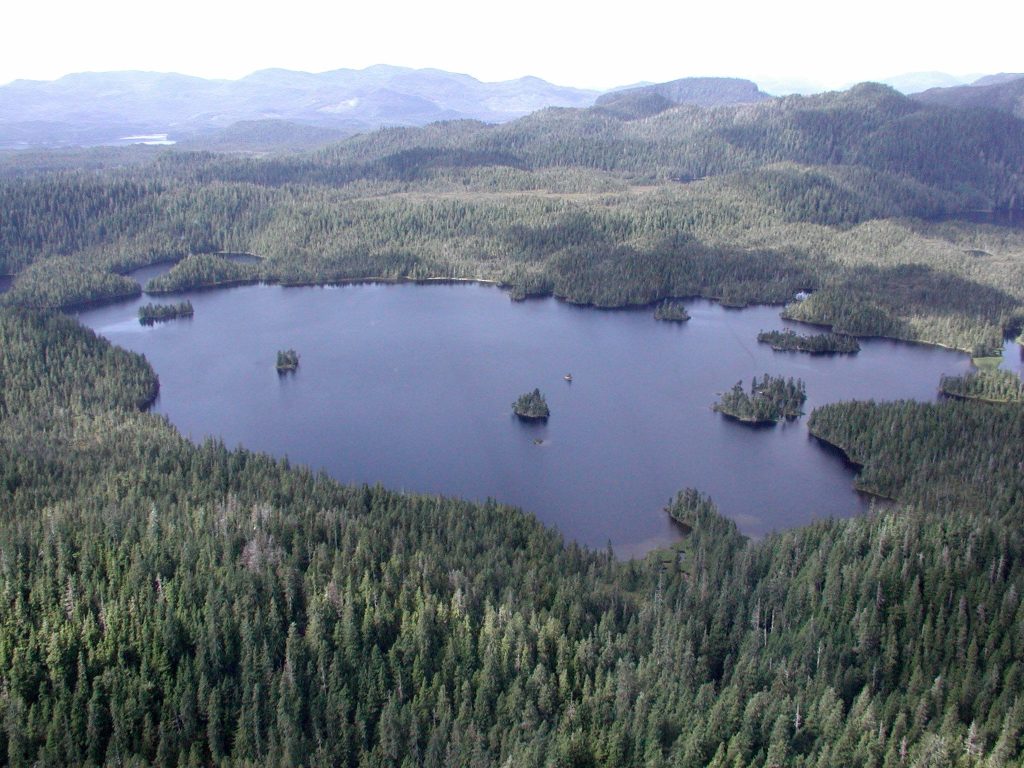
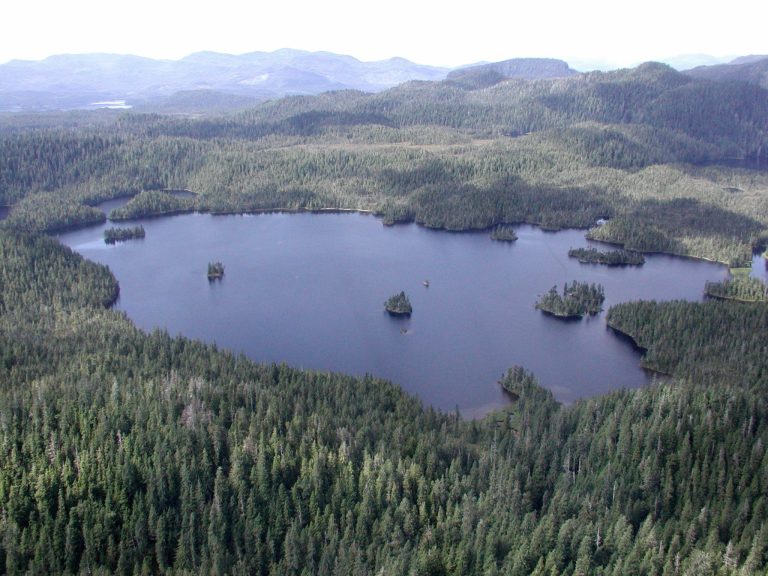
Photo: Revillagigedo Island in Alaska where the old-growth forest plan is facing objections from KIC. (Anita Gould / Flickr)
Ketchikan Indian Community and two conservation groups are asking a federal court to halt an old-growth timber sale in Alaska’s Tongass National Forest.
The Shelter Cove sale offers about 4 million board feet of timber as part of the larger South Revilla project near Ketchikan.
The groups argue logging would harm subsistence resources, wildlife. and remaining old-growth forest.
KIC President Gloria Burns says Indigenous knowledge cannot be treated as an afterthought in decisions about Tribal homelands.
The groups are seeking an injunction while the court considers their broader lawsuit challenging the South Revilla project.
Bids for the timber sale are scheduled to open October 20.

Tesuque Casino in Santa Fe, N.M. (Courtesy Tesuque Casino)
Prediction markets are becoming an issue for Native American tribes who argue they are threatening their gaming revenues and thus their ability to fund vital services.
As KUNM’s Jeanette DeDios (Jicarilla Apache and Diné) reports, New Mexico tribes and state lawmakers are looking at taxing them.
Prediction markets like Kalshi and Polymarket are online platforms where people wager bets on an outcome around future real-world events, like sports or elections, but because of the way they are regulated they do not usually pay taxes to states.
Tribal gaming in New Mexico, however, contributed over $151 million to the state’s general fund in the last fiscal year.
Tribes fear that prediction markets will lead people away from gambling in tribal casinos to online markets, which people can access on their phones while on tribal lands. and tribal officials say that is a violation of the gaming rights they negotiated with the state as sovereign governments.
Tribes also use those revenues for things like early education programs, housing, and healthcare.
During a meeting of the Indian Affairs Interim Committee last week, Navajo Nation Council Delegate Eugenia Charles-Newton describes how prediction markets are also targeting minors to bet.
Right now, with prediction markets, we know that a 10-year-old standing next to the sheep camp, they can go onto a website and they can wager a bet.
Prediction market websites are classified as federal financial exchanges rather than traditional gambling platforms, which allows them to market to people 18 and older. With weak age verification on social media, minors have been reported making wagers.
Prediction markets currently exist in a legal gray area and gaming officials want the state to tax them, but lawmakers raised concerns. Those include whether taxes would affect current gaming compacts, how online activity would be tracked on tribal lands, and who would collect revenue.
The Mescalero Apache, along with Isleta, Pojoaque, and Sandia pueblos are suing Kalshi. The New Mexico Attorney General also filed suit in June.
They are among a number of lawsuits across the country against the platforms. In response, the federal government is suing New Mexico to block the state from enforcing its gambling laws against prediction markets.

(Courtesy Native Voters Alliance Nevada)
Voting disparities have deep roots for people of color and new research shows New Mexico’s Native voters are likely to face numerous roadblocks at the November ballot box.
Roz Brown has more.
Native voters in New Mexico face many barriers to voting, including disproportionately high rejections for voter registration and mail-in ballots.
The new Native American Rights Fund and Blockwell Consulting report, “Obstacles Persist”, analyzes data collected by the U.S. Election Assistance Commission from the 2020, 2022, and 2024 general elections.
The report found rejected voter registration applications increased by an average of 200% in counties where Native Americans make up at least a quarter of the population.
Senior staff attorney Allison Neswood says the report confirms what Native communities have long known to be true.
“Their registration is getting denied, their ballots [are] getting rejected, and all of this really adds up to the systemic disenfranchisement of our people in our own homelands.”
The report also outlines how disruptions at the U.S. Postal Service had a significant impact on Native voters. Even as overall mail-in voting numbers declined between 2020 and 2024, the rejection rate of ballots in areas with larger Native populations increased by 134%.
Earlier this month, the U.S. Supreme Court blocked President Donald Trump’s executive order, calling on the Postal Service to oversee mail-in ballots, a move plaintiffs successfully argued would have severely restricted voting by mail.
The report’s recommendations include expanding automatic and same-day registration to areas with larger Native populations, and paying poll workers comparable wages.
Neswood says more investment is needed for voting infrastructure in Indian Country.
“Making sure that our Native communities have polling locations in a reasonable distance from where they live, making sure they have registration opportunities, making sure that they can participate in mail voting.”
The study focused on counties with high Native populations, including Cibola, McKinley, and San Juan counties in New Mexico along with Apache and Navajo counties in Arizona.
Research by the Brennan Center in 2024 found voters of color are more likely to turn out when they live in jurisdictions where their ethnic group is the majority.
Get National Native News delivered to your inbox daily. Sign up for our daily newsletter today.
Download our NV1 Android or iOs App for breaking news alerts.
Check out today’s Native America Calling episode

Leave a Reply