Podcast: Play in new window | Download | Embed
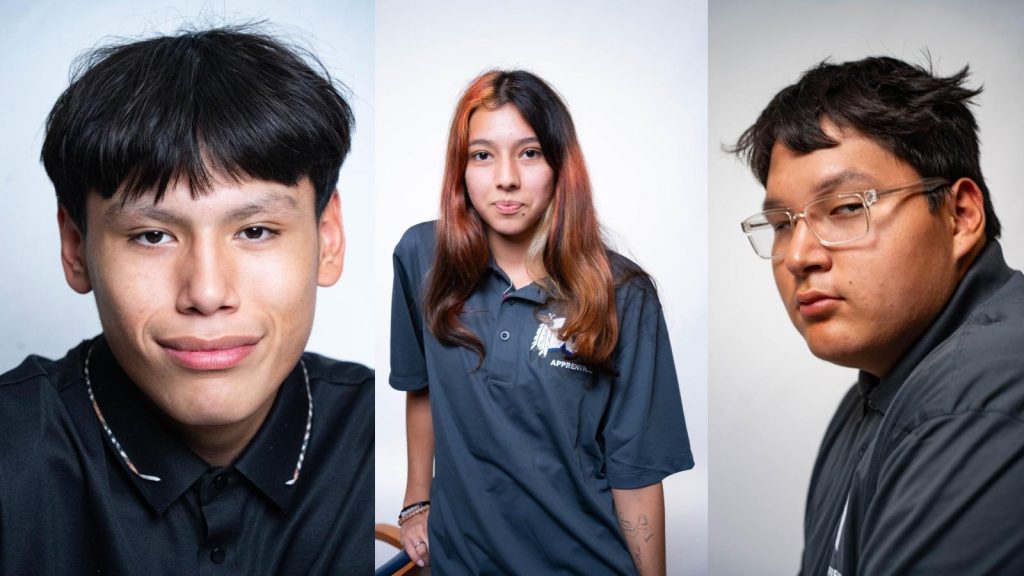
Indigenous high school students in Nebraska are getting a head start in a challenging job market. Chrystal Blair has more.
For many young people, landing that first job can be difficult without prior work experience.
A Nebraska program is helping Indigenous students overcome that hurdle by providing hands-on training, career exploration, and mentorship while they are still in high school.
The latest federal jobs report shows teen unemployment at 14.5% nationally, compared with 4.2% overall.
A Winnebago-based apprenticeship program operated by Ho-Chunk Inc. is helping students earn academic credit while gaining hands-on work experience.
Terri Lee Medina (Winnebago Tribe of Nebraska and Santee Sioux Nation descendant), Ho-Chunk Inc. community programs manager, says the experience can also help students make informed career choices before investing time and money in additional education.
“Save them some money if they know, ‘Oh, I wanna go to be a teacher,’ or, ‘I wanna go be a construction worker.’ They know their avenues to take to do that, and then hopefully return on investment. We’ve been able to see some of those that are starting to come back through our internship program, our collegiate program here at Ho-Chunk.”
Since launching in 2022, the apprenticeship has helped more than 200 students gain on-the-job experience.
Medina says program graduates have gone on to pursue vocational certifications, college degrees, military service, and careers within Tribal organizations.
For young people entering the workforce, one of the biggest challenges can be getting hired without previous experience.
Medina says employers often expect applicants to have both education and practical skills, creating barriers for students just starting their careers. She says apprenticeship programs can help bridge that gap while teaching professionalism, customer service, and other skills employers value.
“They either have the education and they don’t have the experience, or they have the experience but they don’t have the education. And so I think it is removing those barriers and having them believe that, ‘Oh, I don’t have a driver’s license,’ and we go that extra mile and we help them study for an exam, go take them driving.”
Participants in the apprenticeship program earn ten high school credits per semester while exploring career options.
Medina says several former participants have moved into leadership position.
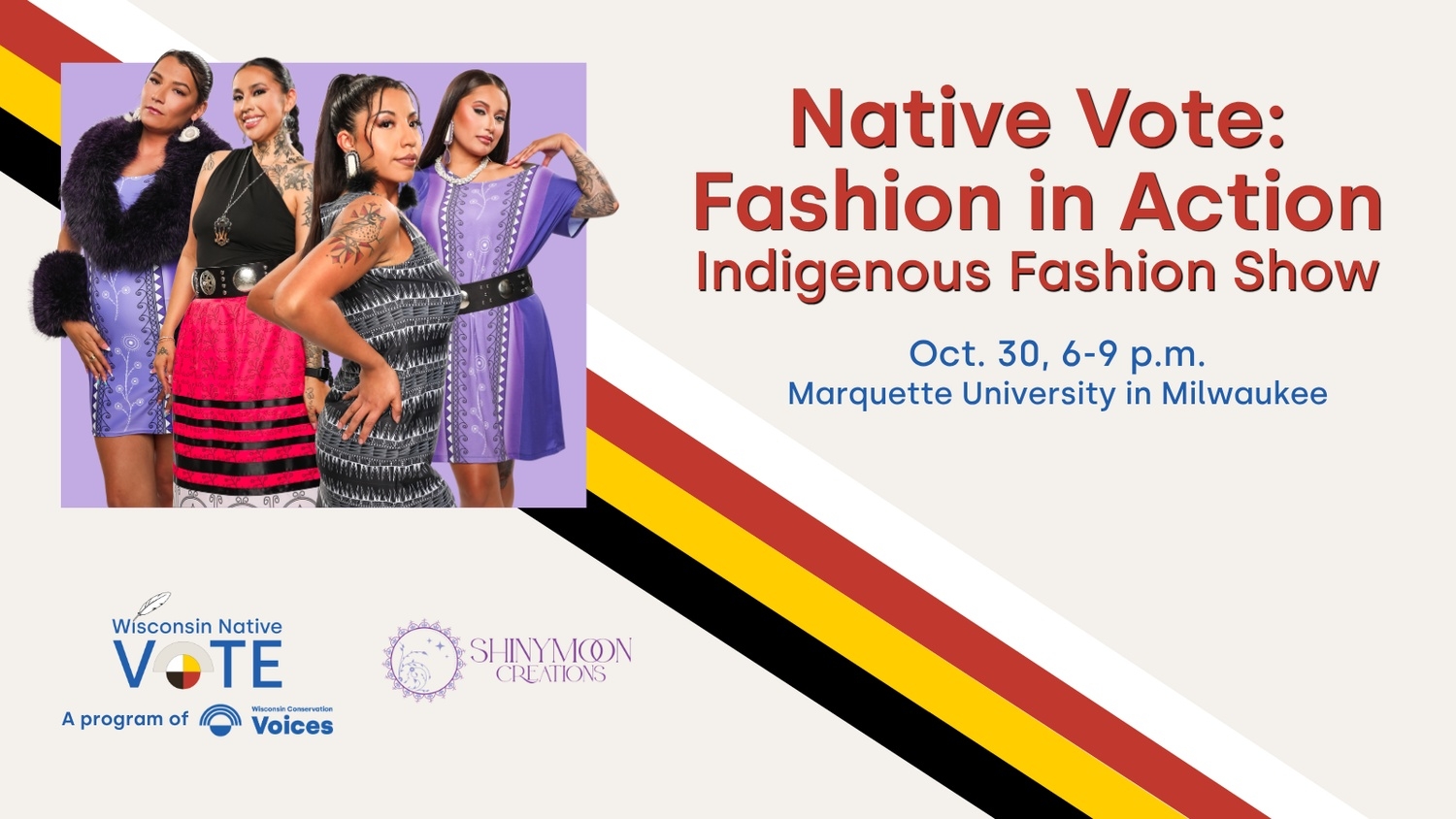 Native American designers put on an Indigenous fashion show last Friday night in Milwaukee, Wisconsin.
Chuck Quirmbach reports the free event will promote voting in next week’s elections.
The show’s producer is Jennifer Powless-Benally (Oneida Nation).
She is also one of a half-dozen female Native American designers from Wisconsin who will have their work displayed by sixty models.
Powless-Benally says she is doing the event with the nonpartisan group Wisconsin Native Vote, because she sees a connection between creating fashion and voting.
“I do whatever I can to vote that my voice gets heard. So that I’m voting for the next seven generations. Same with clothing. Clothing, you’re representing who you are, where you come from. Having that voice that empowers you, it gives you strength.”
Powless-Benally says each of the designers at the show has to create one original garment that represents civic engagement through voting, or the cultural responsibility of passing on the importance of voting.
Judges will award prize money to the winning entries.
Powless-Benally says the November midterm elections are important for Indigenous people across the United States.
“I think we have a lot of topics that are going to be pretty heavy, and we just need to voice our opinion on how that’s going to affect us.”
She says everyone from elders to future generations could feel that impact.
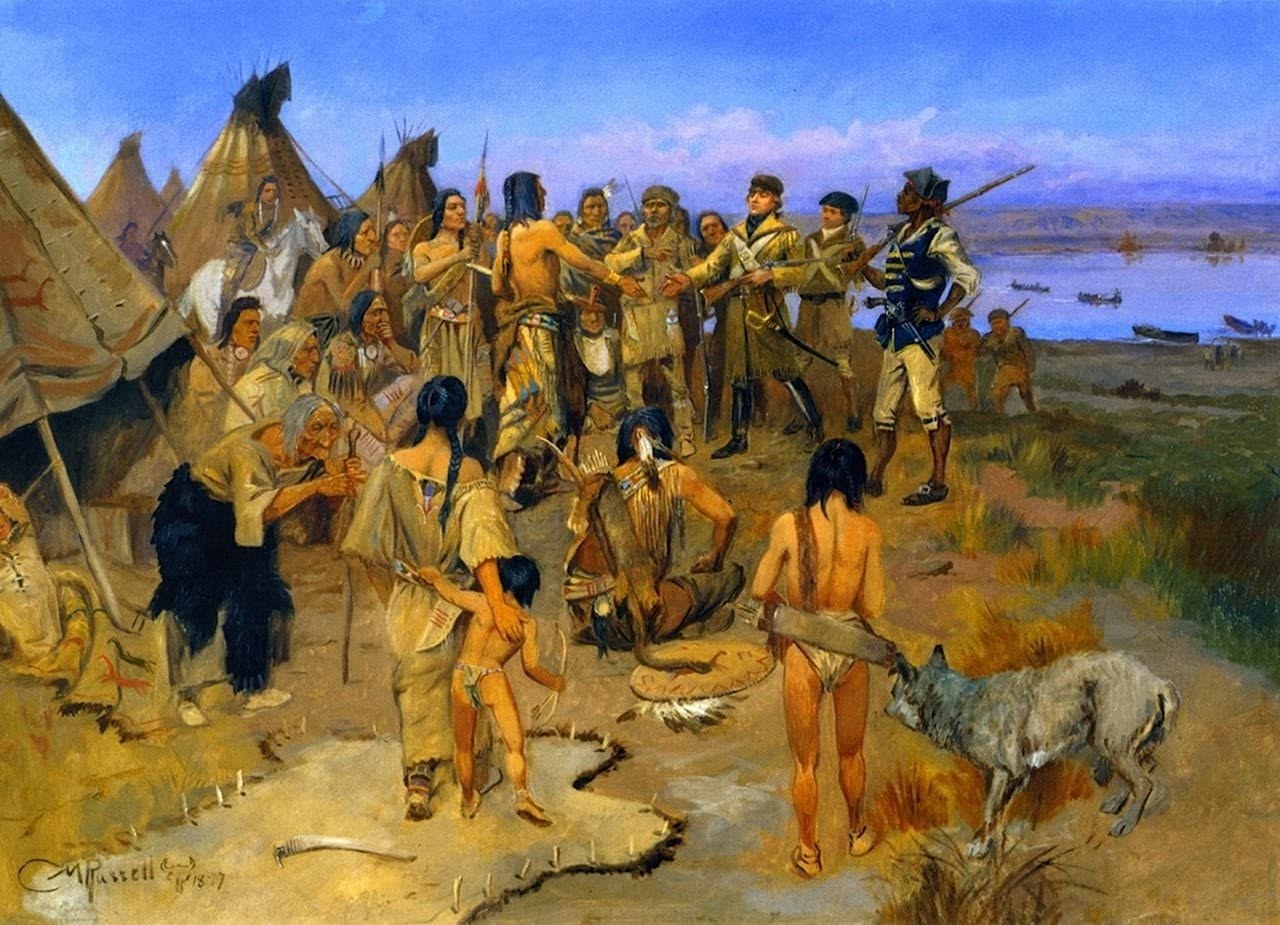
“Lewis and Clark Meeting the Mandan Indians” by Charles M. Russell in 1897.
On this day in 1804, Mandan and Hidatsa leaders met with explorers Lewis and Clark in present-day North Dakota.
The meeting brought together Indigenous leaders from five villages to discuss peace and diplomacy.
The Mandan and Hidatsa later helped the expedition survive the winter before continuing west.
Get National Native News delivered to your inbox daily. Sign up for our daily newsletter today.
Download our NV1 Android or iOs App for breaking news alerts.
Check out today’s Native America Calling episode
Thursday, October 29, 2026 — Leadership changes in store for Navajo Nation and other tribes

Leave a Reply