Podcast: Play in new window | Download | Embed
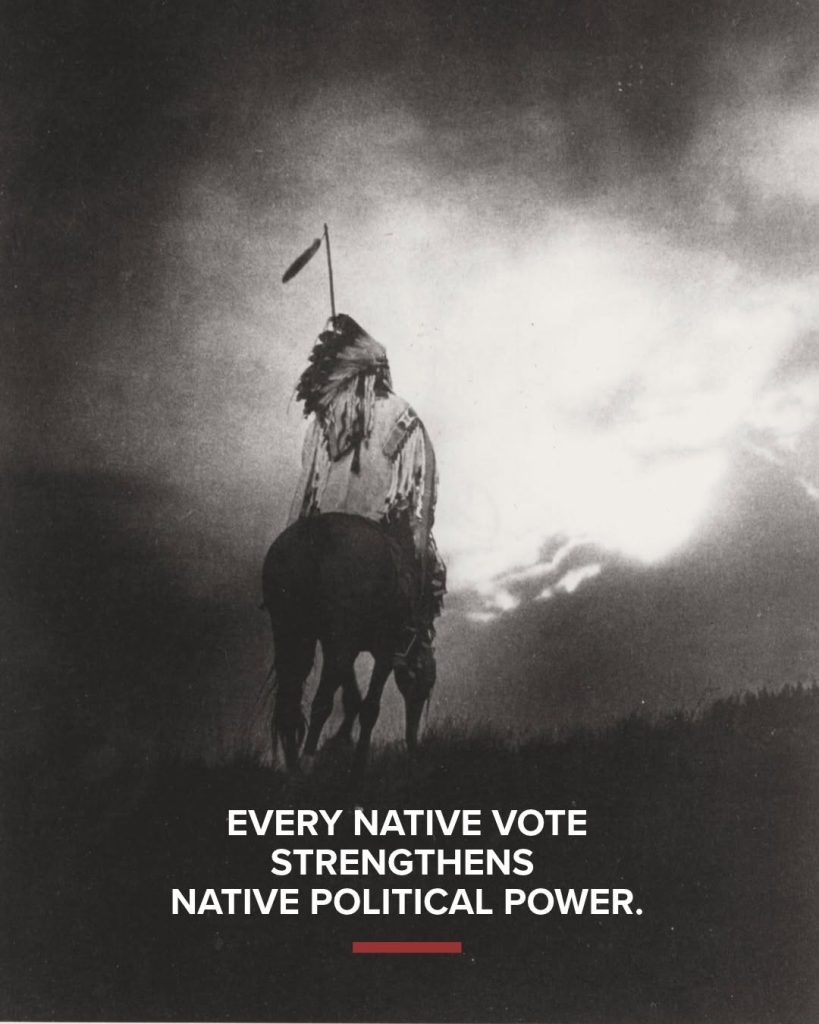
Native allies are deploying observers to polling sites in states like North Dakota in an effort to overcome potential barriers at the ballot box as voters prepare for the November 3 midterm election.
Judith Ruiz-Branch reports.
Native American Rights Fund volunteers in its first midterm election protection program aim to help voters overcome potential barriers at the polls and document recurring problems for future prevention.
NARF Senior Staff Attorney Samantha Blencke says attorneys, law students, and faculty volunteers will try to address issues like voter intimidation and misinformation about documentation requirements on the spot to help prevent eligible voters from being turned away.
“A right on paper means very little if you can’t exercise it at your polling place. So our immediate priority is to help people vote, but we also will be documenting what happens, and that helps us prevent the same barriers from reoccurring.”
The efforts come as President Donald Trump and other Republicans push for stricter federal voting requirements, which they say would strengthen election security.
North Dakota is one of nine states that NARF is deploying volunteers to based on where they have heard concerns in the past.
Early in-person voting is already underway in some North Dakota counties for next week’s election.
Voters can learn more at Vote.ND.gov.
North Dakota has a long history of barriers for Native American voting, including restrictions that led to federal lawsuits and changes to state voting procedures. but those adjustments have not eliminated all barriers.
NARF says Native voters in North Dakota were still turned away over Tribal ID issues in 2024, while address requirements and long distances to polling places continue to create challenges.
Blencke explains address and ID requirements can burden voters whose homes lack conventional street addresses – or whose IDs contain outdated information.
“This is hugely important. It’s always important in Indian country. For example, if someone’s told, “Hey, just go back home and get the right document and come back,” that could be a three-hour drive. So it’s really important to have assistance on the spot.”
Blencke says observers will seek to ensure Tribal IDs and supplemental documents are recognized. North Dakota does not require voter registration, but voters need an accepted ID showing their current residential address and date of birth.
Supplemental documents may help if information is outdated.
Voters who encounter problems can call 866-OUR-VOTE.
Blencke adds that they can identify themselves as a Native voter to be connected with NARF for assistance.
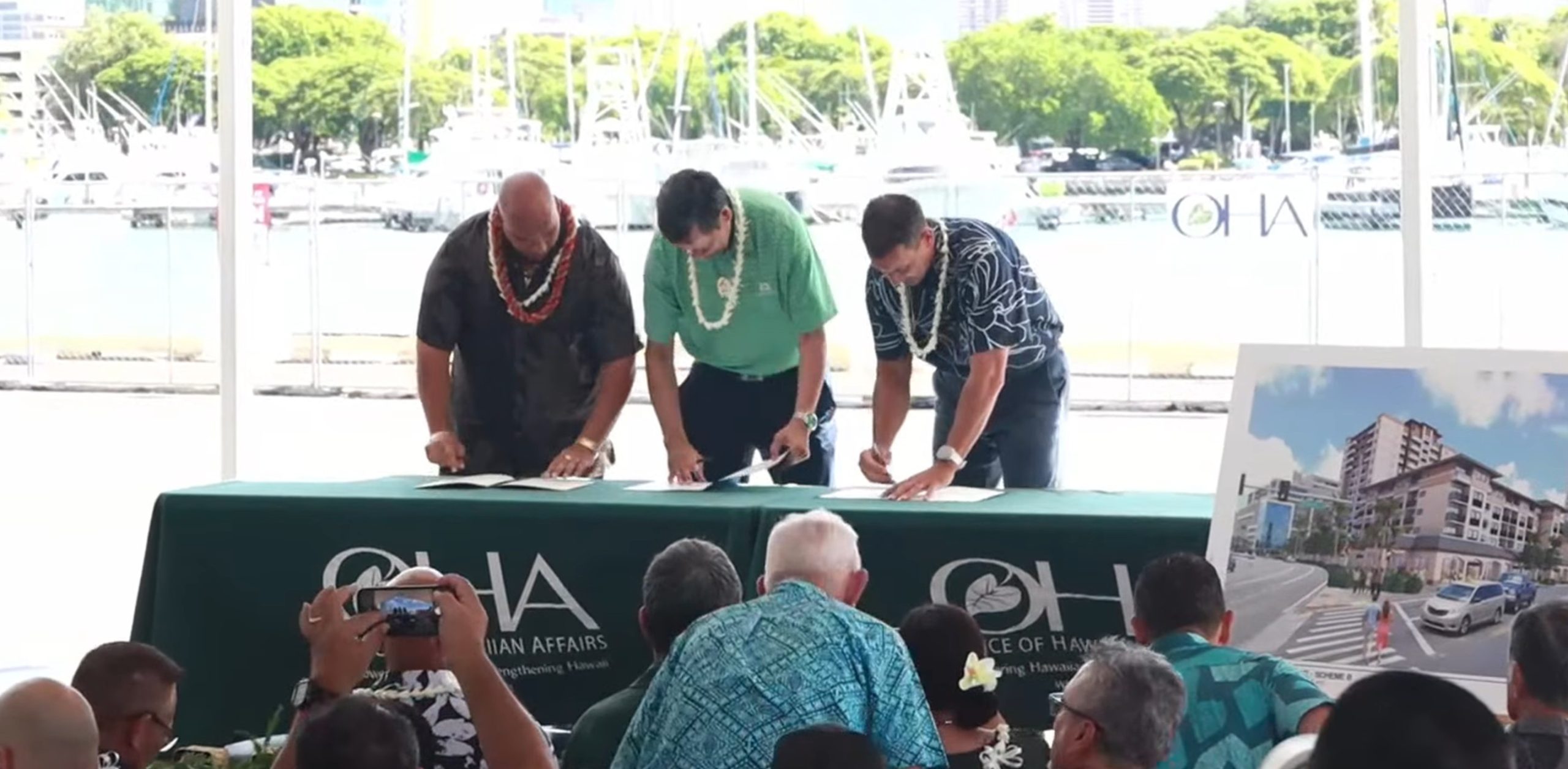
Peter Iriarte, left, representative from the Operative Plasterers & Cement Masons Local 630; Keoni Souza, Office of Hawaiian Affairs at-large trustee and chair of the OHA Committee on Investment and Land Management; and Kali Watson, director of the Department of Hawaiian Home Lands and chair of the Hawaiian Homes Commission, signed a landmark Memorandum of Agreement (MOA) between OHA and DHHL at Kakaʻako Ma Kai in Honolulu, Hawaii. (Courtesy OHA Hawaii / YouTube)
Two Native Hawaiian agencies have reached an agreement to develop hundreds of new homes in Honolulu.
The Office of Hawaiian Affairs and the Department of Hawaiian Home Lands signed an agreement Friday to build housing in Kakaʻako Makai.
The proposed development includes a 400-unit, multi-tower housing complex for eligible Native Hawaiian families.
The Office of Hawaiian Affairs owns 29 acres in the area, but existing state restrictions prohibit residential development on the property.
The Department of Hawaiian Home Lands has separate legal authority that could allow the housing project to move forward.
Officials say the partnership could eventually bring additional housing, a cultural center, and other community facilities to the waterfront.
However, some residents have raised concerns about potential health risks associated with the site’s history as a municipal dump and incinerator.
The agencies say they are working through the legal restrictions as planning continues.
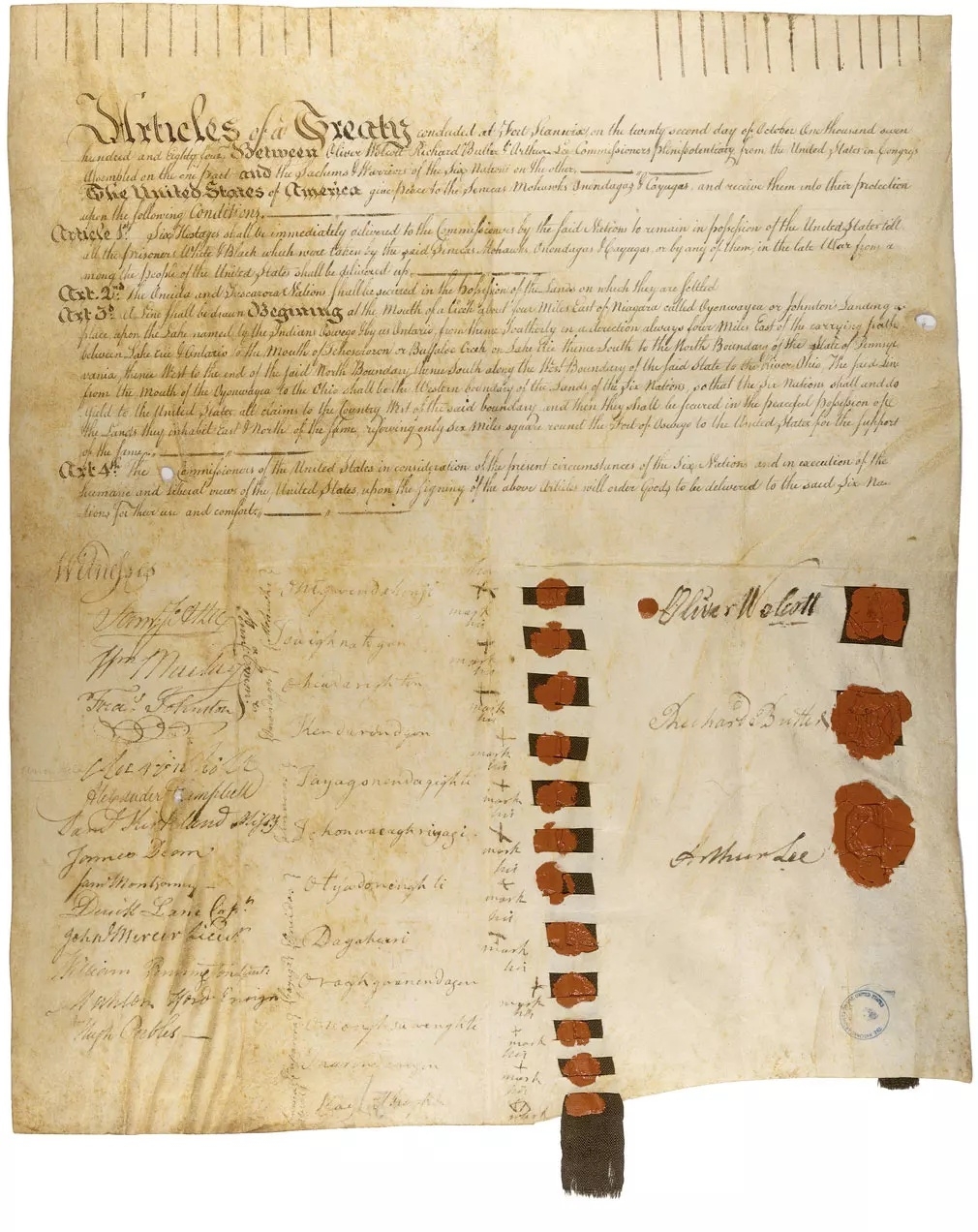 And on this day in 1768, Haudenosaunee leaders met with British officials at Fort Stanwix in present-day New York.
The negotiations focused on establishing boundaries between colonial settlements and Native lands.
The discussions helped shape the Treaty of Fort Stanwix, signed just days later on November 5.
Get National Native News delivered to your inbox daily. Sign up for our daily newsletter today.
Download our NV1 Android or iOs App for breaking news alerts.
Check out today’s Native America Calling episode

Leave a Reply