Podcast: Play in new window | Download | Embed
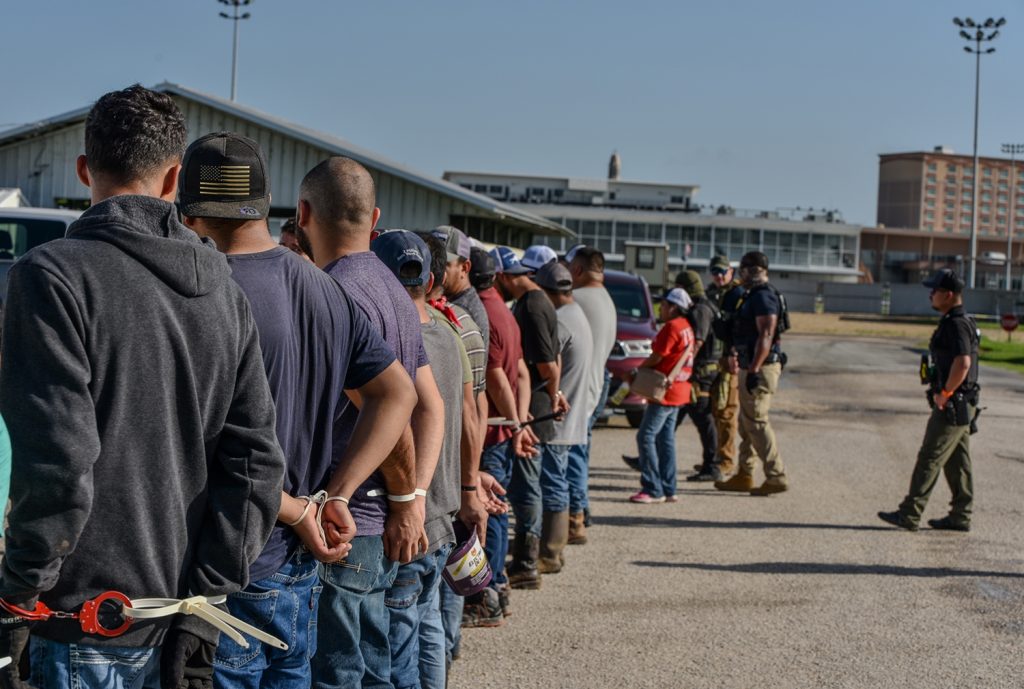
At least five Native American men were detained January by Immigration and Customs Enforcement (ICE) during raids in Minneapolis, Minn.
As other reports of Native Americans being mistaken for undocumented immigrants continue, federal lawmakers have introduced a bipartisan bill to improve the Department of Homeland Security (DHS)’s interactions with Native Americans when they are proving citizenship.
KUNM’s Jeanette DeDios (Jicarilla Apache and Diné) has more.
The Respect Tribal IDs Act would require DHS working with the Bureau of Indian Affairs (BIA) and tribal nations to create training for officers to better detect and respect current tribal IDs.
U.S. Sen. Ben Ray Luján (D-NM) says ICE agents are breaking the law.
“My Native American brothers and sisters, who are American citizens, are being held by ICE agents because these agents do not recognize tribal IDs, it’s disrespectful, it’s wrong, I would argue, illegal, and that’s why we need this legislation.”
Luján says tribal leaders have voiced their concerns about ICE agents detaining their tribal members near their reservations.
“I’ll remind you that some of the first awareness that we had about ICE agents going after Native American communities, happened in New Mexico, down in Mescalero and also on the Navajo Nation, and it’s happening in other parts of the country as well.”
DHS said in a statement that ICE agents acknowledge and recognize tribal ID cards as proof of citizenship and there have been no ICE operations on tribal lands.
Lujan says it is hard to collect data on the number of Native Americans who have been detained by ICE because DHS will not release the data.
Meanwhile, some legal scholars are raising concerns about a case brought by the Trump administration that is before the Supreme Court and how it might undermine birthright citizenship among Native Americans.
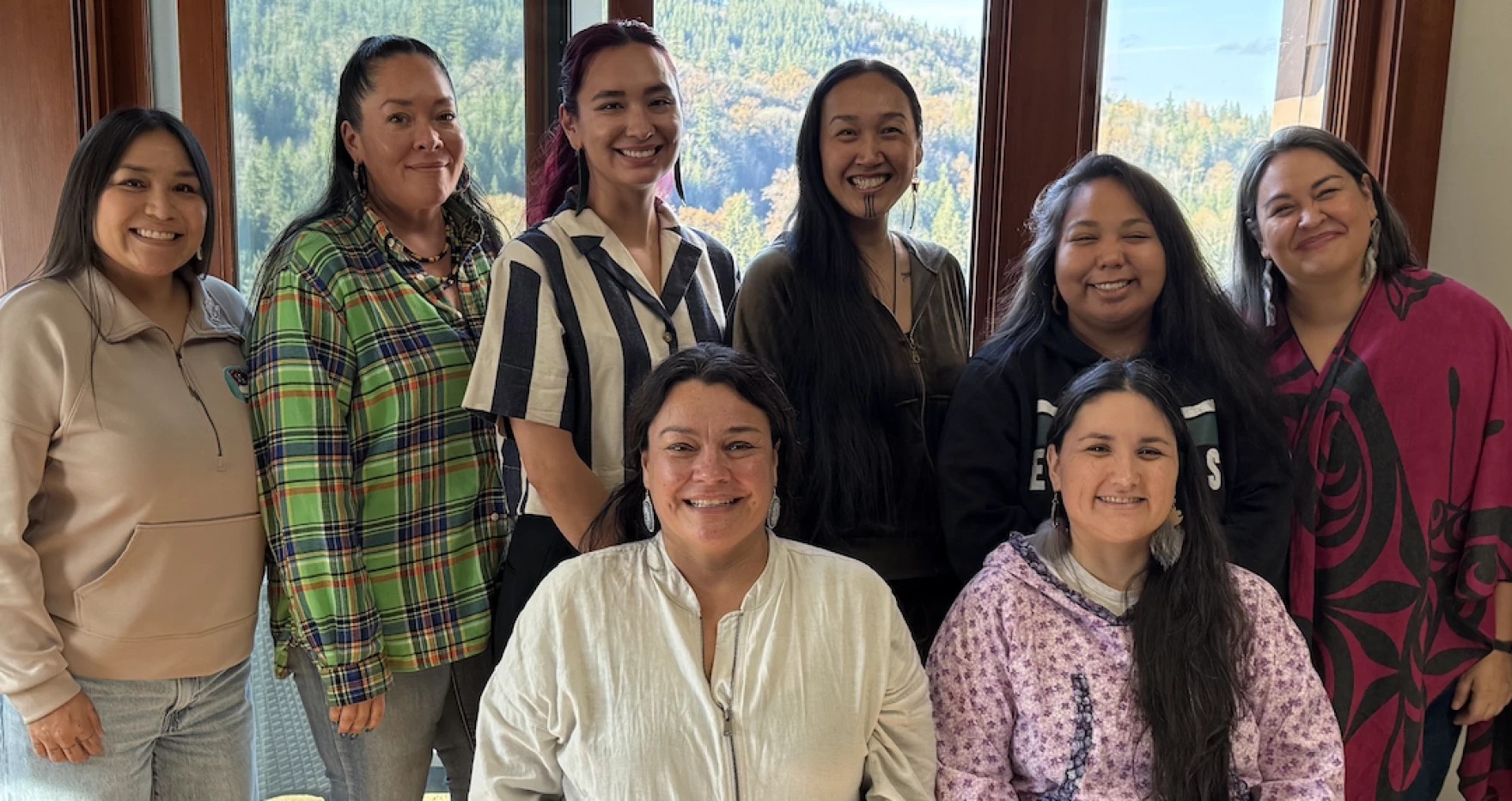
Antonia Commack, left, Abigail Echo-Hawk, Maka Monture Paki. Charlene Aqpik Apok, Tatiana Tiknor, Malia Villegas, Sabrina Dunphrey, and Jessica Black. (Courtesy Data for Indigenous Justice)
A national organization called the Courage Project shines a light on acts of bravery, both big and small.
This year, a group that works to bring attention to Alaska’s missing and murdered Indigenous people (MMIP) is in the spotlight.
As KNBA’s Rhonda McBride tells us, Data for Indigenous Justice (DIJ) is one of sixteen organizations nationwide to receive this award.
The steady beat of the drum is what you hear at many events involving DIJ and while their presence is felt more than seen, they are a force for change.
Funders for the Courage Project like the MacArthur Foundation say the award was created to recognize neighbors helping neighbors, people who perform everyday acts of civic courage, that speak to the American spirit and strengthen democracy.
“When I first started doing this work, people wouldn’t even meet with me.”
Charlene Apok, known by her Iñupiaq name, Aqpik, founded DIJ to bring attention to missing and murdered Alaska Natives.
She saw breakdowns and inequities in how law enforcement handled their investigations and pushed for a database to better track those cases and expose systemic failures.
“Organizations didn’t want to talk about it. It was too hot. It was too political. It was too uncomfortable. It shouldn’t be courageous to say the things that we’re saying, and to ask the questions that we’re asking. These should be things that are expected for the safety of our people.”
Doug Modig, a traditional healer, says it is never easy to speak truth to power, especially for a small organization like Data for Indigenous Justice.
“Real lives are at stake her. Real people are experiencing hurt. There aren’t many people that have that courage, because it’s so rare. It reminds me of a wolverine. They’ll take on a bear, a full-grown bear.”
Wolverines, Modig says, are fearless when it comes to protecting their territory.
“Why don’t they just give up? They’re not going to make it, because they’re so small. But the truth is, courage isn’t about size. It’s the content of your heart.”
Aqpik says heart is exactly what her team brings to their work. Their commitment has helped to uncover critical information about unsolved cases.
“I’ve come to learn, with a lot of guidance from my elders, that this role is called being a story keeper.”
Aqpik says it is a sacred responsibility to listen to the stories that families share.
She says they are the bravest of all.
Long after the marches are over and the drumbeats fade, they must live with these stories.
Get National Native News delivered to your inbox daily. Sign up for our daily newsletter today.
Download our NV1 Android or iOs App for breaking news alerts.
Check out today’s Native America Calling episode
Tuesday, May 19, 2026 — Native Bookshelf: “Shards of Silence” and “That Which Feeds Us”