Podcast: Play in new window | Download | Embed
An Alaska Native corporation’s proposed mining project near Lake Clark National Park is drawing opposition over potential impacts to fish, wildlife, and nearby ecosystems, as Mark Moran reports.
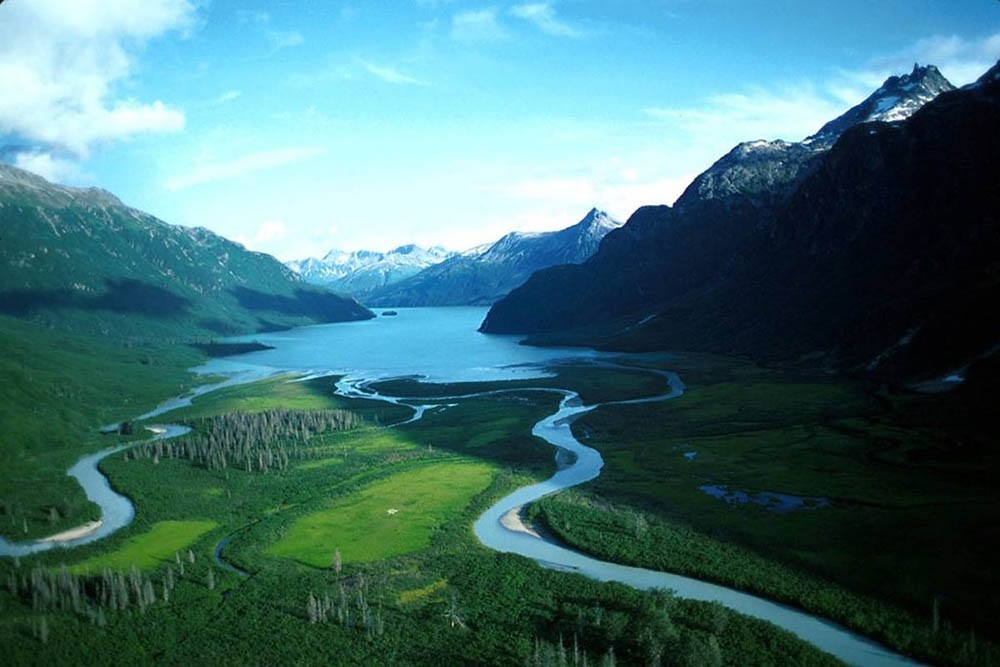
Conservation activists are pushing back on a proposed gold mine in Alaska’s interior that threatens wildlife habitat, sensitive ecosystems, and a crucial sector of the state’s economy in the Lake Clark National Park.
Contango Silver and Gold, Inc. says the company will create jobs while remaining sensitive to the environment while creating jobs.
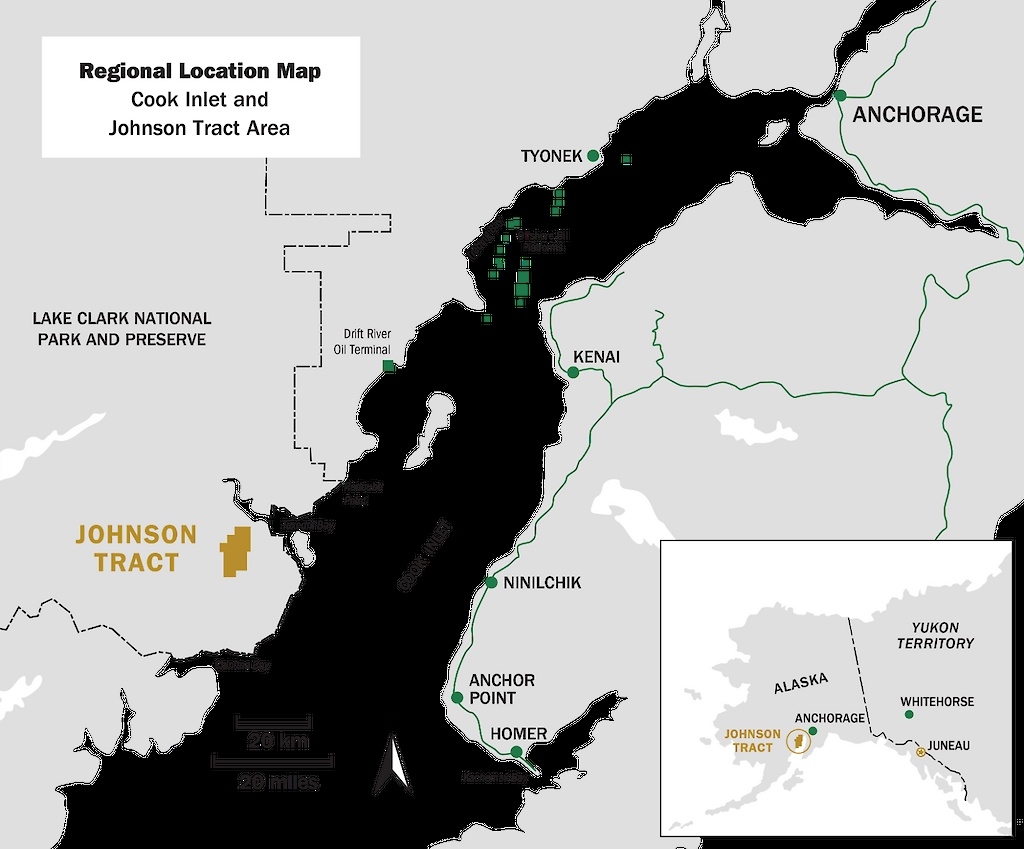
Contango is working with Alaska Native-owned Cook Inlet Region Incorporated to establish the mine at the headwaters of the Johnson River, a prime spot for commercial and sport fishing, bear watching, salmon runs, and eco-tourism.
Conservatives for Responsible Stewardship President David Jenkins contends that the environmental risk is not worth the economic reward, especially when the bulk of the profit from the mine flows to out-of-state investors, including asset management companies like Blackrock and Vanguard.
“Why would you risk a 100% Alaskan economic engine that’s sustainable and just keeps providing benefits year after year for something that’s temporary, and most of the economic benefit is likely to go elsewhere outside of the state of Alaska?”
(Courtesy Contago)
Contango counters that the mine will create 175 jobs for the first three years of the project, but that number will dwindle after peak mine production.
Jenkins argues that relatively small job creation is shortsighted, given the thousands of jobs and billions of dollars created by eco-tourism in the area – what Jenkins calls a “stark economic contrast.”
Cook Inlet Region Incorporated was granted rights to the 21,000-acre Johnson Tract within the Lake Clark National Park in the 1970s as part of a land agreement.
Some members of the Indigenous community contend they would benefit from the project, but Jenkins says short-term profit cannot outweigh the unbalanced economic factors or the scar that Contango would inflict on the Alaska Interior’s ecosystem.
“These places are pristine. They’re rare things. You just don’t find that in the Lower 48. You don’t even find it in a lot of places around the world. The biological diversity and abundance is just stunning.”
Environmental groups and the Chickaloon Tribal council have filed a lawsuit against the U.S. Army Corps of Engineers over alleged Clean Water Act violations by granting a permit for the Johnson Tract project, which is still in the permitting process, but scheduled for completion in the spring of 2028.
Disclosure: CIRI provides support to Koahnic Broadcast Corporation, the parent company of National Native News.
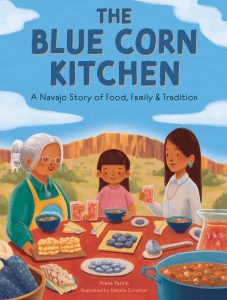 Preserving Diné language and customs is essential, especially for urban Navajos living off-reservation in places like Phoenix, Arizona. And a local Navajo blogger is launching her latest project – a colorful, hand-drawn children’s cookbook.
KJZZ’s Gabriel Pietrorazio has more.
“Shimá likes to write down Shimásání’s recipes so they can be passed on to our young family members.”
Alana Yazzie recites a few lines from her new book, “Blue Corn Kitchen”.
“When you’re writing a children’s cookbook like this, there’s not as much text, and so I think that was the hardest part, like condensing it so much into a short story, but still having my main points come across.”
Like the magic of cooking with family, a timeless message Yazzie tried to convey through words and pictures, even by sketching the characters to resemble her own mother and daughter.
“There’s these little like corn wafts of sparkly, glittery cornmeal going throughout the book. And it’s just so beautiful – like you want to eat it, you want to make it.”
Get National Native News delivered to your inbox daily. Sign up for our daily newsletter today.
Download our NV1 Android or iOs App for breaking news alerts.
Check out today’s Native America Calling episode


Leave a Reply