Podcast: Play in new window | Download | Embed
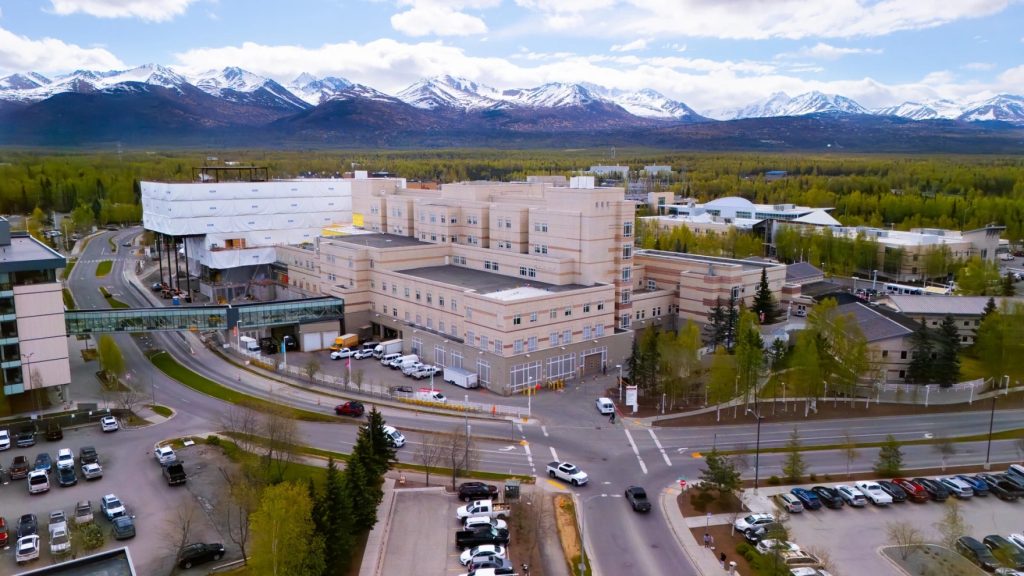
Photo: Alaska Native Medical Center in May 2026. (Courtesy Alaska Native Tribal Health Consortium)
The Indian Health Service officially handed ownership of the state’s biggest tribal hospital, the Alaska Native Medical Center, to the Alaska Native Tribal Health Consortium, as Alaska Public Media’s Rachel Cassandra reports.
The transfer happened on August 24, according to the consortium.
ANTHC CEO Natasha Singh, a Stevens Village tribal citizen from Fairbanks, says the transfer is the result of decades of advocacy.
“This marks a historic achievement. It advances tribal self-determination in healthcare, and it’s achieved through the direct advocacy by Alaska tribal leaders.”
Singh says, beyond practical implications, the symbolism of ownership is powerful. She says it is rare that tribes truly have self-governance over something so critical to their lives.
“You don’t see it in management of our traditional territories or our fish resources. You don’t see it in education and public safety, but you see it in healthcare. Having this ability to control our future is allowing us to address the historical impacts of colonialism.”
Singh says the hospital endured decades of underinvestment from the federal government and the transfer will allow the hospital to pursue funding only available to tribally owned facilities.
Wilson Justin is a shareholder of the Ahtna Regional Corporation and has advocated for the rights of Indigenous people in the health care system since the 1990s. He says the ownership transfer is momentous.
“It’s been a long wait, and I really appreciate the fact that it’s finally occurring. We’ve been waiting for it for half a generation, basically.”
He says he hopes that the transfer allows the hospital to strengthen healthcare for Indigenous Alaskans across the state, especially for smaller tribes.
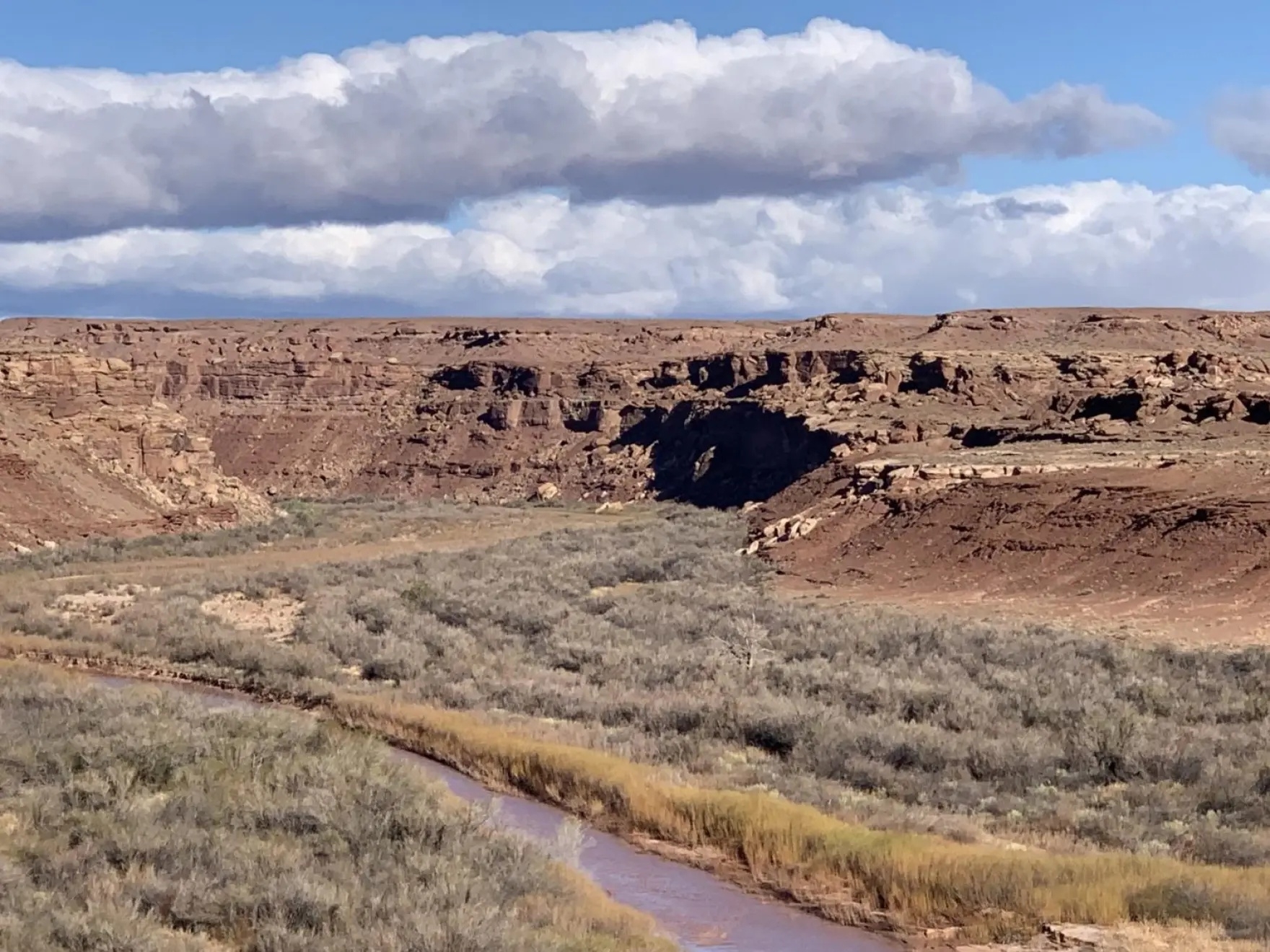
The Little Colorado River, a tributary of the Colorado River, flows during the springtime through the Navajo Nation near Cameron, Arizona. (Photo: Gabriel Pietrorazio)
The Navajo Nation Council has taken a major step toward protecting one of its most precious water resources.
KJZZ’s Gabriel Pietrorazio has more on the recent measure that formally recognizes the Confluence – where the Colorado and Little Colorado rivers meet – as a sacred site under tribal law.
Doing so formally documents what Navajos already know – the spiritual and natural significance of where these two life-giving rivers converge.
This information may be used to potentially deter future commercial development by industries like hydropower or dams.
Erik Stansfield testified on behalf of the tribe’s Historic Preservation Office.
“When that comes forward, we can show what impairment of those resources look like.”
He likens the Confluence to its council chambers, which is listed on the National Register of Historic Places.
“Like the murals in this room, changing that would be an impairment to the sort of historical and cultural importance of this place. It’s very much the same with the plants and animals, water quality and offerings that have been made at that place. We detail that out, and that helps us kind of defend this area.”

Ratified Indian Treaty 70.
And on this day in 1815, leaders from eight Native Nations signed the Treaty of Spring Wells with the United States near Detroit.
The agreement formally restored peace following the War of 1812 and returned certain rights and possessions Native Nations held before the war.
The treaty involved the Wyandot, Delaware, Seneca, Shawnee, Miami, Chippewa, Ottawa, and Potawatomi Nations.
Get National Native News delivered to your inbox daily. Sign up for our daily newsletter today.
Download our NV1 Android or iOs App for breaking news alerts.
Check out today’s Native America Calling episode
Tuesday, September 8, 2026 — Life after a wrongful murder conviction for Santiago Ventura Morales


Leave a Reply