Podcast: Play in new window | Download | Embed
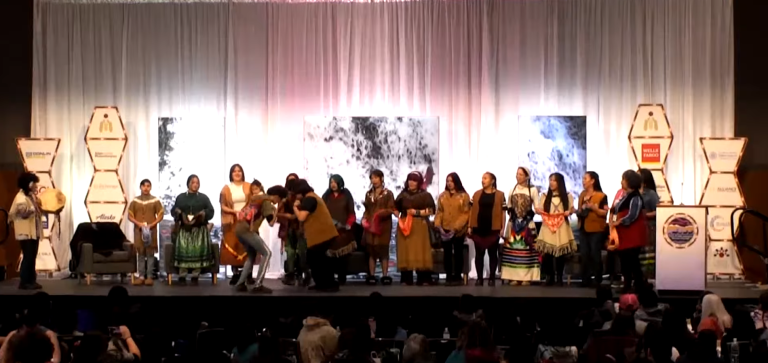
“Navajo Highways”, a children’s show using puppets to teach youth the Diné language, recently won Emmys gold.
KJZZ’s Gabriel Pietrorazio caught up with the creator and has more.
After just a single season that included six episodes and a Christmas special, “Navajo Highways” won one regional Emmy award for informational-instructional content and another for best set design.
“I really wanted it for the crew – the crew who believed in me – and I wanted them to feel validated that I wasn’t just some crazy kook that came up with the puppet show, you know.”
Utah-based creator Pete Sands, who films in Moab, says he is still awestruck, even weeks after coming back from the La Jolla ceremony.
“I guess I’ve been out of the artist world, living in my own bubble for so long. Dipping a toe back into it, I was like, ‘Yeah, I kinda like my Utah life, keeping to myself.’ And our culture is still alive.”
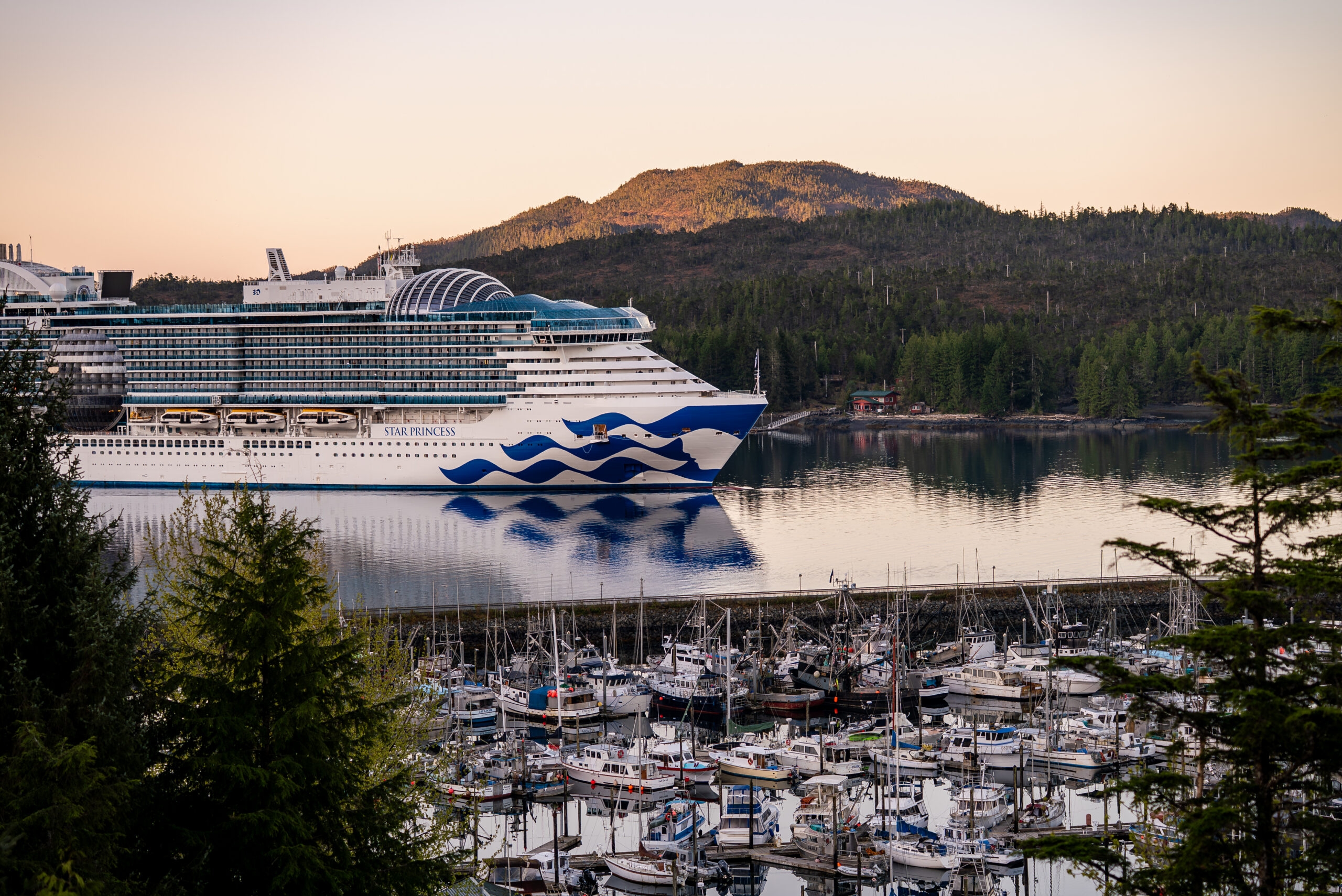
The Star Princess in Ketchkan, Alaska, May, 2026. (Courtesy Carnival)
An Alaska cruise ship recently set sail powered by liquid natural gas (LNG), the first cruise vessel in the state to do so.
The Alaska Highway ferry system, which serves as the state’s public transportation network, hopes to follow suit, but operational and funding challenges have created obstacles, as Mark Moran reports.
The Alaska cruise ship industry leaves a sizable carbon footprint with its emissions.
The maiden Alaska voyage of the Star Princess this spring was powered entirely by LNG, which the industry says is “as clean as it gets.”
Harly Penner, president of Seaspan Energy, which fuels giant, clean-burning ships, says using LNG in large vessels reduces potent and toxic emissions, like nitrogen (NOx) and sulfur oxides (SOx).
“Those are the carcinogens that live in our port and most important to the people in those port communities. The NOx, the SOx, and the black carbon are greatly reduced.”
At this point, Alaska Marine Highway still has no ferries operating on natural gas or any other alternative fuel, but they say the fleet will be designed to do so in the future.
The agency is reliant on state funding for any upgrades, which has dwindled in recent years.
Penner says engine, scrubber, and emissions technology on large vessels will continue to evolve, and believes LNG is the most effective way to reduce emissions among large fleets.
Companies must measure the costs of retrofitting ships to run on LNG while balancing the pillars of environmental, social, and economic sustainability.
“If you knock one of those pillars out, you really have a hard time making that sale in the boardroom. And one of those pillars is financial viability. Like, if you’re not financially viable, it’s hard to make a sustainable decision on that.”
Data from the International Maritime Organization estimates that in the next three years, between 1,600-1,700 vessels will be powered completely by LNG.
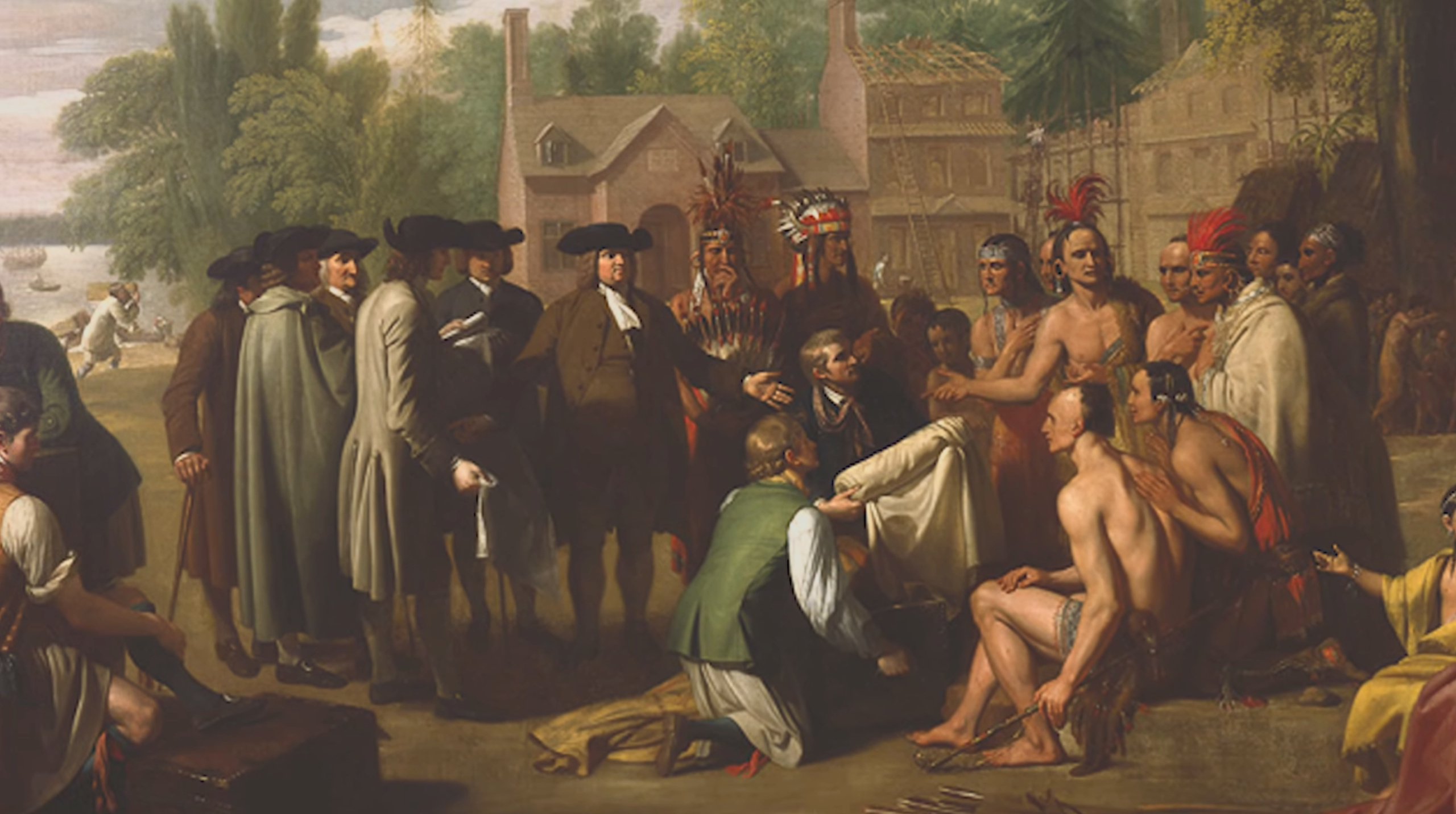
This introductory video from the ongoing exhibit “Nation to Nation” at the Smithsonian’s National Museum of the American Indian was named in the White House report.
On the heels of America’s quarter millenial, the White House is questioning the world’s largest museum and its depiction of the U.S. being founded on stolen Indigenous land, as Judith Ruiz-Branch reports.
The nearly 200-hundred page report was quietly published over the holiday weekend.
It criticizes exhibits in the Smithsonian Institution for reinforcing narratives that the U.S. government forcibly pushed Indians from their ancestral lands.
The White House argues these interpretations place too much emphasis on racial injustice while downplaying the nation’s founding ideals and accomplishments, but Native scholars like Dan Lewerenz contend land dispossession and treaty violations are essential parts of the American story.
“I think it’s important to remember history accurately. A part of that is remembering for purposes of the Declaration of Independence, Indians were sort of used as a propaganda tool by the colonists.”
Lewerenz argues the United States has long used American Indians to serve its interests and agendas.
The report was issued as part of President Donald Trump’s effort to reshape how federally supported institutions are presenting American History.
Experts say it sets the stage for further heightened debate over how U.S. history is told and who gets to be included.
Although North Dakota’s history also involves a painful past for Native people, Lewerenz says the state has made strides in repairing past harms and improving relations with Indigenous people.
He says efforts like the Government to Government conference and policies to improve Tribal programs all point to a growing partnership.
“Tribal sovereignty and the ability of tribes and tribal members to govern their own communities and live by their own ways has sometimes been respected and sometimes not. But tribes have to remain hopeful.”
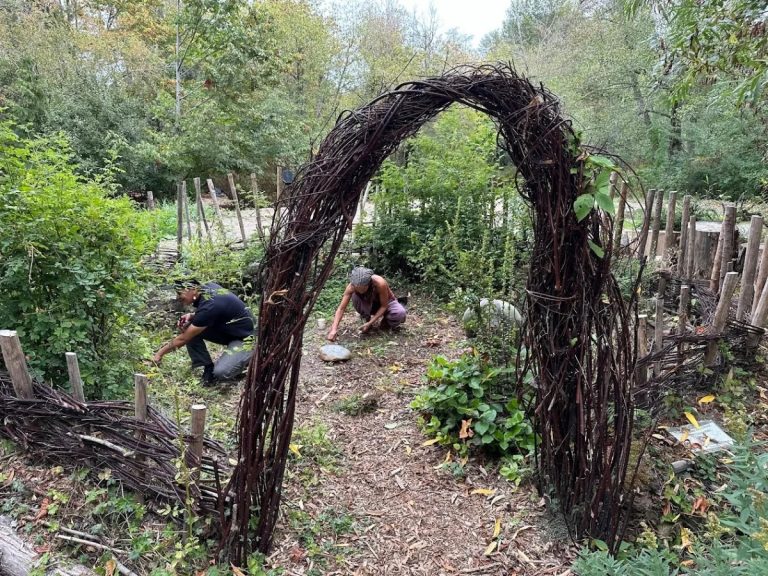
As part of the newly unveiled Theodore Roosevelt Library in Medora, N.D., a medicinal garden marks a renewed dedication to Tribal alliance.
Library trustees say the monument does not ignore Roosevelt’s racist views on Indigenous people, but confronts history honestly with a call to honor and commit to a more vibrant future.
Get National Native News delivered to your inbox daily. Sign up for our daily newsletter today.
Download our NV1 Android or iOs App for breaking news alerts.
Check out today’s Native America Calling episode