Podcast: Play in new window | Download | Embed
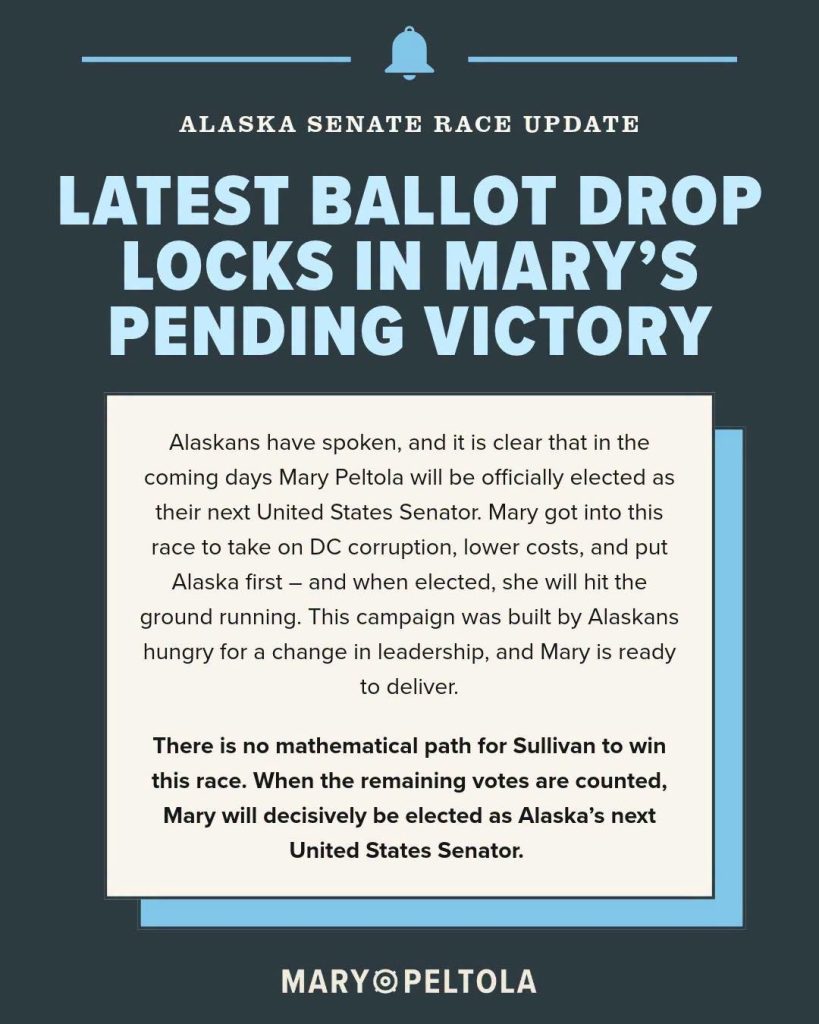
Former U.S. Rep. Mary Peltola, D-Alaska, widened her lead over the weeekend in her battle to unseat U.S. Sen. Dan S. Sullivan, R-Alaska.
Peltola’s campaign has declared victory in social media posts, and, as Rhonda McBride reports from our flagship station KNBA, she could soon be on her way to making history.
In 2022, Mary Peltola became the first Alaska Native woman to be elected to Congress. She is now a fraction of a percentage point away from breaking another barrier, becoming the first Alaska Native woman in the U.S. Senate.
Mark Trahant, a veteran Native American political journalist, said it has been a huge year for Native women. He said Peltola’s race parallels that of U.S. Sen.-elect Peggy Flanagan, D-Minnesota.
“They came up through the system. They paid the dues, they worked in the legislature. It’s really extraordinary to show that there’s a career path.”
Trahant said wins for Flanagan and Gov.-elect Deb Haaland, D-New Mexico, along with Peltola’s expected victory, are part of an arc that has been building and will have far-reaching effects.
“Particularly young girls will now think this is normal.”
The Alaska Division of Elections’ latest count on Saturday shows Peltola’s lead has widened by more than 11,000 votes. She is now ahead by almost 4%, with 49.94% of the vote.
To win outright, she needs more than 50%. If she falls short, the race will go to ranked-choice voting on Wednesday, when voters’ second choices are added in.
Peltola’s campaign now says it is mathematically impossible for her opponent to win and the remaining ballots will not change the outcome, but The Associated Press has yet to call this race.
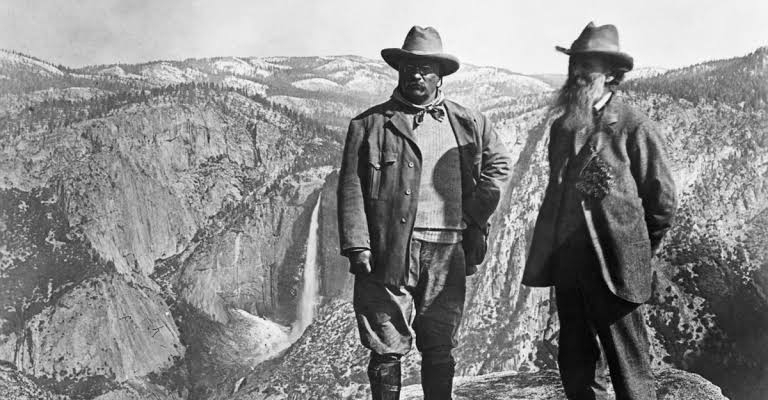
The Antiquities Act was signed into law by Theodore Roosevelt on June 8, 1906. Here Roosevelt, left, is pictured with John Muir at Yosemite National Park.
Native American and environmental groups have sued to reverse President Donald Trump’s cuts to two national monuments in Utah.
Supporters and opponents of the cuts have pointed to the Antiquities Act, a federal law from 1906, to make their cases.
As KNAU’s Chris Clements reports, Utah politicians who support the monument cuts argue former presidents have transformed the act into a law with no limits, like when Bears Ears and Grand Staircase-Escalante were created. They say the framers of the law intended national monuments to be as small as possible.
Mark Squillace, a law professor at the University of Colorado, said when Congress passed the act, it gave presidents a lot of leeway.
“They basically agreed to language that gave the president the authority to designate any historic landmarks or historic features or objects of historic or scientific interest.”
That last phrase has been read expansively by presidents and affirmed by courts, he said.
Some monuments, like Grand Canyon National Monument, were created to preserve entire landscapes.
The Antiquities Act first came about because major museums from all over the world were essentially looting places like Chaco Canyon, and the feds realized they needed to put a stop to it.
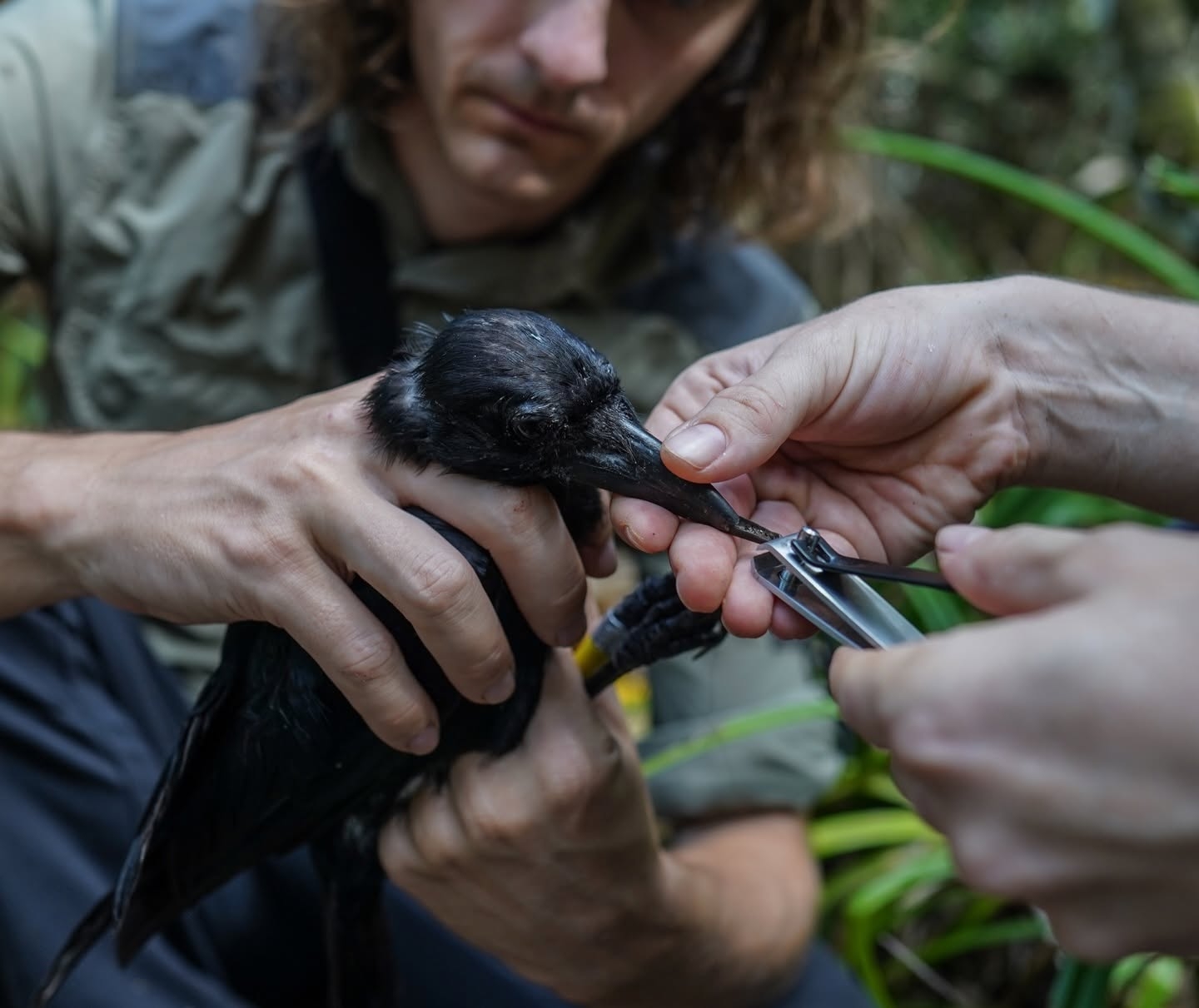
The Mariana crow, or Aga, was heavily impacted by Super Typhoon Bavi. (Courtesy Mariana Crow Recovery Project)
Conservationists in the Northern Mariana Islands are working to save an endangered bird following a devastating super typhoon. The Mariana crow once lived on Guam and the island of Rota.
Conservation efforts on Rota helped increase the population to roughly 300 birds, but Super Typhoon Bavi struck the island in July, destroying breeding facilities and threatening years of recovery efforts.
Researchers managed to rescue several birds, and some released crows have since shown signs of nesting.
Scientists say continued conservation efforts are critical to preventing the species from disappearing entirely.
Get National Native News delivered to your inbox daily. Sign up for our daily newsletter today.
Download our NV1 Android or iOs App for breaking news alerts.
Check out today’s Native America Calling episode
Monday, November 16, 2026 — Tribes step in to supplement diminishing resources for elders

Leave a Reply