Podcast: Play in new window | Download | Embed
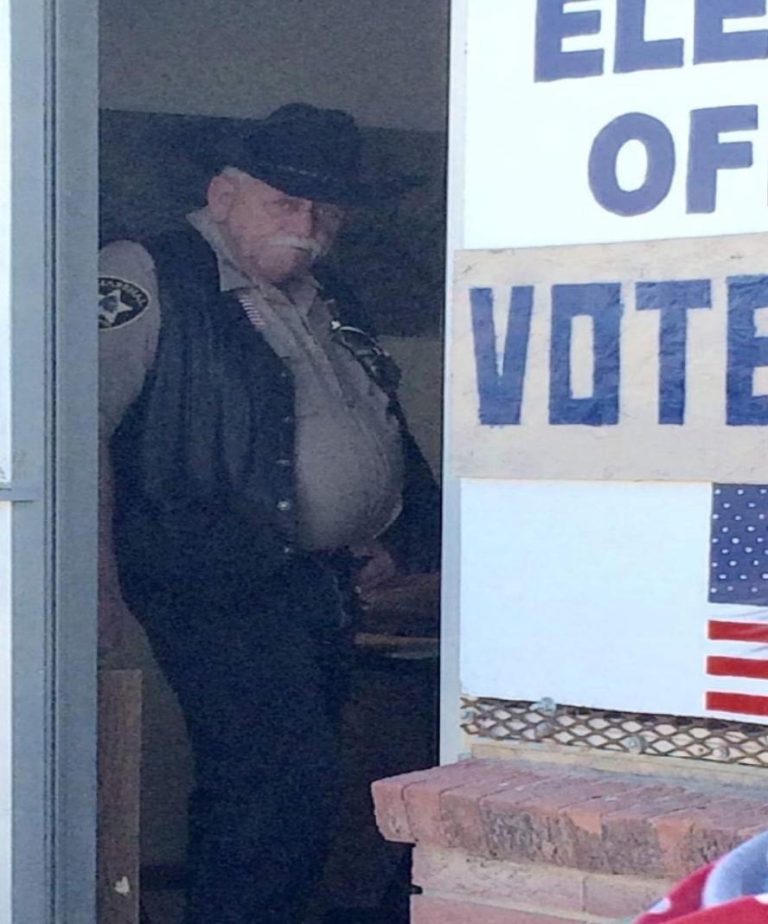
Volunteer observers are heading to several states including South Dakota polling places to help protect Native voting rights.
Four Directions Native Vote is sending at least 75 lawyers and law students to more than 40 polling locations statewide.
Laura Hatch has details.
The nonpartisan effort will cover all nine of the state’s reservations and Rapid City, which has a large Lakota population.
Greg Lembrich is the nonprofit’s legal director.
“In a midterm, we’re going to have our largest group ever really speaks to the recognition around the country and in South Dakota of how under threat democracy is, particularly for minorities and some of our nation’s most vulnerable residents.”
Lembrich says the legal observers will focus on South Dakota’s new law requiring proof of citizenship to register to vote.
He is also concerned about interference from FBI or ICE agents, and says the volunteers are trained on what to do if that happens.
The Native American Rights Fund is sending more than 300 volunteers to six additional states with large numbers of Native American voters, including North Dakota, Nevada, and New Mexico.
Samantha Blencke, senior staff attorney for NARF, says ensuring Native voters can vote is always important in Indian Country, and legal assistance at the polls matters.
She says, in 2024, numerous voters in Lyman and Buffalo counties in South Dakota believed they registered to vote, only to learn at the polls that county auditors never received their registrations.
She stresses Native voters face many barriers, including long distances to election offices, requiring a physical address to register to vote, and reducing the number of polling places.
“If someone’s told, ‘Hey, just go back home and get the right document and come back,’ that could be a three-hour drive. So it’s really important to have assistance on the spot. And of course, our immediate goal is to make sure that voters can exercise their rights during the election.”
Lembrich says South Dakota has been at the forefront of equal voting rights for Native Americans for decades, with state laws and procedures discouraging Native Americans from voting. He adds the Native vote may not change the course of races for governor or Congress, but it can have a huge impact on the local level.
“That’s really where so much of government happens, and the fact that Tribal members are serving in those roles and able to elect people to those roles who are going to work on their issues and listen to their voices is really critical.”
Voters can report voting issues by calling 1-866-OUR-VOTE.
Blencke says, if callers identify themselves as a Native voter, they will be connected to legal help from NARF.
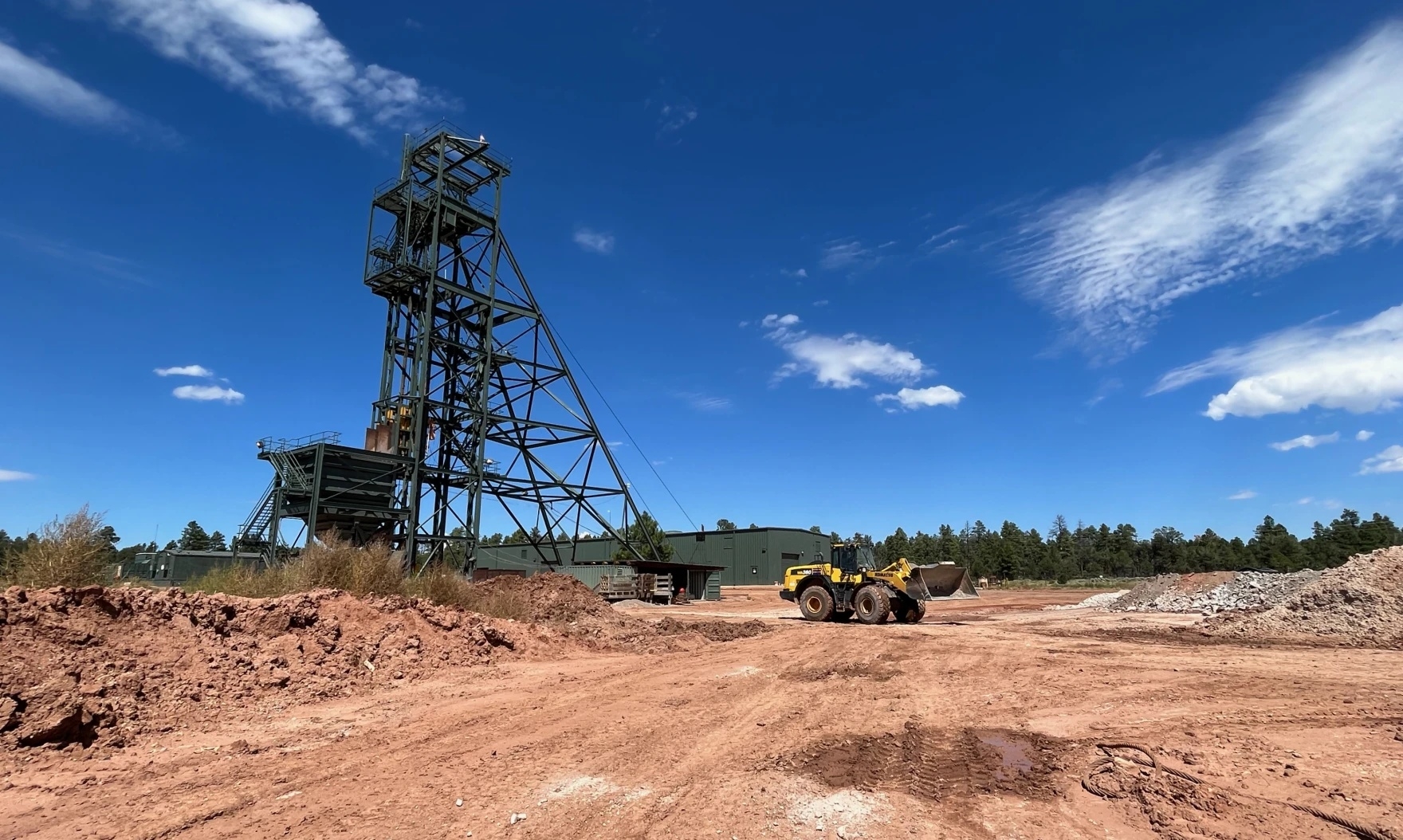
The Pinyon Plain Mine, formerly the Canyon Mine, is located on a 15-acre plot on the Kaibab National Forest less than 10 miles from the South Rim of the Grand Canyon. (Photo: Ryan Heinsius / KNAU)
An environmental group has released a new analysis of monitoring wells in the Grand Canyon region.
As KNAU’s Chris Clements reports, the group says it shows wells within a nearby uranium mine have unusually high arsenic levels.
The Grand Canyon Trust says the analysis of 40 wells throughout the region used 32 years of monitoring data.
Havasupai Tribal Chairwoman Melinda Yaiva says the higher levels under the Pinyon Plain Mine threaten her community at the bottom of the canyon.
“If Havasu Creek is contaminated, there is no backup water system waiting for us. The consequences would be immediate and profound.”
But Energy Fuels, the company that owns the mine, says the analysis is misleading, and that the increase in arsenic is not due to the mine.
Misael Cabrera is a company executive.
“It’s not providing sufficient context. You will always have higher mineralization in the groundwater in areas where you have mines. Why? Because the geology is richer in minerals.”
Cabrera also says there is no connectivity between the aquifer directly underneath the mine, and the aquifer the tribe relies on – though some scientists argue that’s not true, and that the tribe is at risk.
Get National Native News delivered to your inbox daily. Sign up for our daily newsletter today.
Download our NV1 Android or iOs App for breaking news alerts.
Check out today’s Native America Calling episode