Podcast: Play in new window | Download | Embed
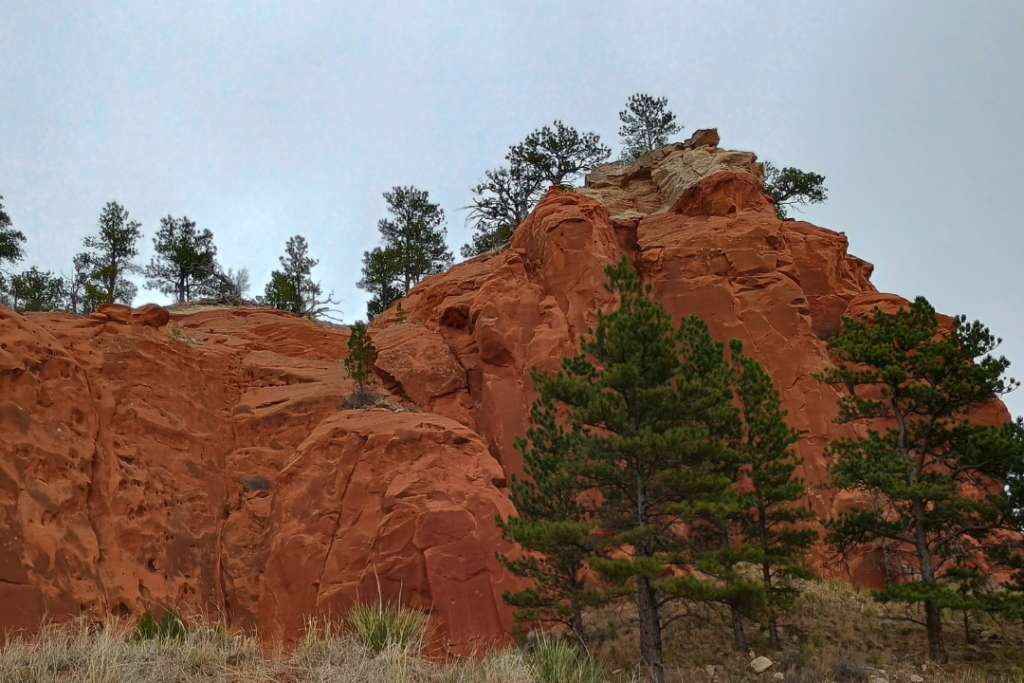
Photo: The walls of Craven Canyon, in the southern Black Hills of South Dakota, are marked with ancient Native American petroglyphs. (Courtesy Lilias Jarding / Black Hills Clean Water Alliance)
A South Dakota board is pausing a hearing on a uranium exploration project in an area considered sacred to regional Native American tribes.
Meghan O’Brien of South Dakota Searchlight explains.
The board was in its third day of a hearing on an application by Clean Nuclear Energy Corporation and its Canada-based parent company Nexus Uranium.
The entities applied for a permit to drill near Craven Canyon, 7 miles north of Edgemont, S.D.
The board went into a private session to discuss legal matters.
When board members emerged, they announced the hearing would be adjourned until further notice. They did not give further details.
Meanwhile, a project opponent has filed a federal lawsuit against the board, the state, and the company seeking the permit.
The lawsuit alleges violations of due process, citing concerns about language interpretation and a heavy law enforcement presence at the hearing.
The state board failed to provide a Lakota interpreter for the first day of the hearing, after promising to make one available. Lakota-speaking tribes formerly controlled the Black Hills as part of the Great Sioux Reservation.
There is ancient Native American art on the walls of Craven Canyon near the drilling project site.
Neither the state officials nor the company proposing the drilling immediately responded to South Dakota Searchlight’s requests for comment.
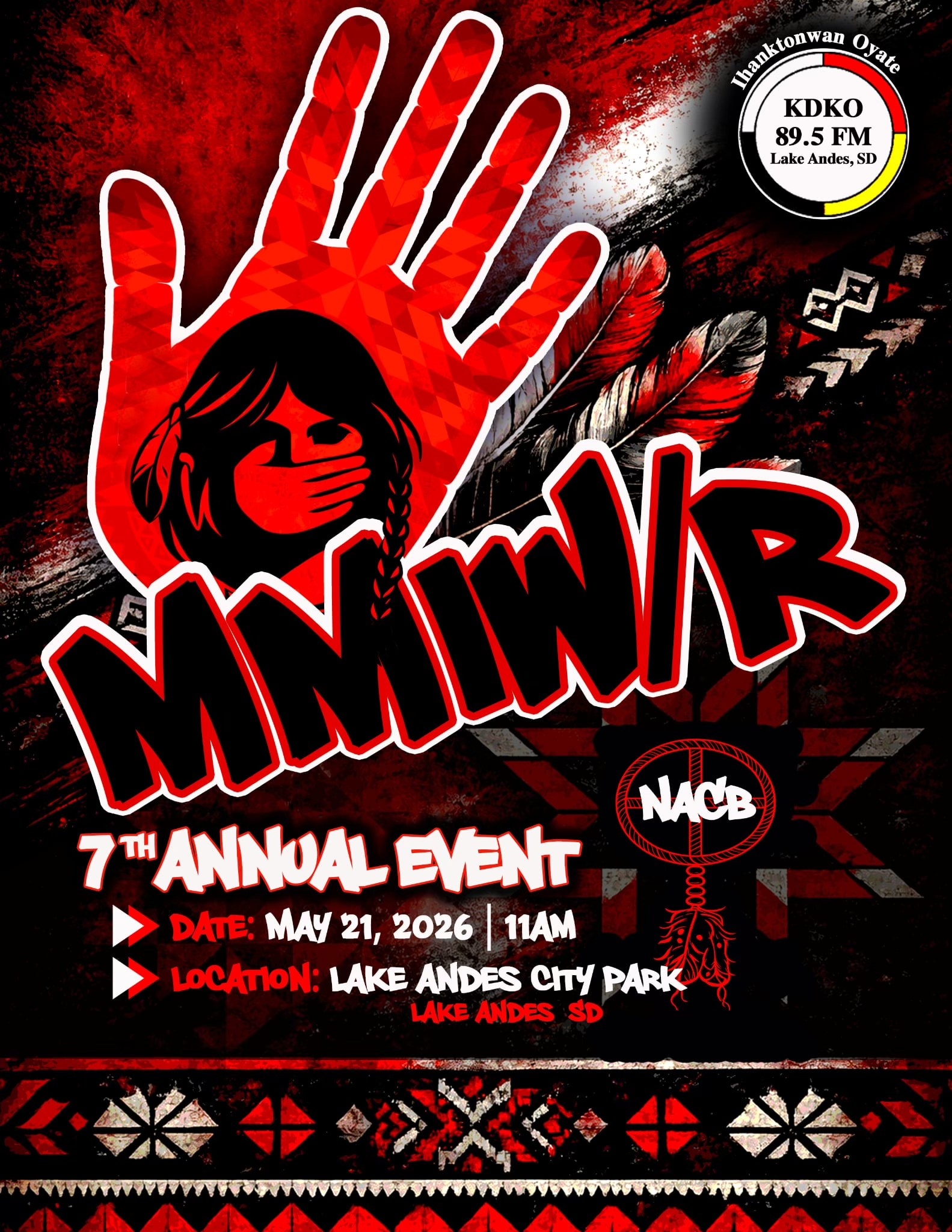 An estimated 200 people are expected to walk in honor of Missing and Murdered Indigenous Women and Relatives (MMIW/R) in Lake Andes, S.D. Thursday.
While it is the seventh such event, it will be the first one since its founder died.
Last September, Charon Asetoyer, founder of the Native American Community Board (NACB), died. She was an advocate for preventing violence against women, and launched the first honor walk in 2018.
Florence Hare is the interim executive director of the NACB. She says the walk will begin and end in Lake Andes City Park.
“We’re not protesting, we’re just walking to bring awareness. We’re going to walk by the Sheriff’s Office. We’re not going to walk on his property. And then we’re also going to walk by the courthouse.”
Hare says there are many unsolved cases in South Dakota and that includes the Lake Andes area.
She says for years, there has been suspicions that certain parts of town were especially dangerous. This includes an old U.S. Army facility by Fort Randall Dam.
“Sometimes our women would go missing, and it was because they were hanging around down there. So there is a very long history of MMIW. Our grandmothers, they would sit us down and say, ‘Don’t go by that place, it’s bad. You could go missing. They’ll take you and that’s it. You’re gone.’”
Hare adds that there has been much mistrust between the Native community and local law enforcement.
“We’re just in an area where there’s no oversight on law enforcement or what happens out here. It’s like the wild, wild west.”
There will be mention of Asetoyer during the event, but Hare says the focus will be on the MMIW/R cases.
Other events organized by the NACB will honor Asetoyer in good time, she says. As for the turnout, she expects about 150 Native people, and 50 allies.
Of the 102 missing persons cases in the South Dakota Missing Persons Clearinghouse, 65 are Native people. That is almost two thirds of the total cases.
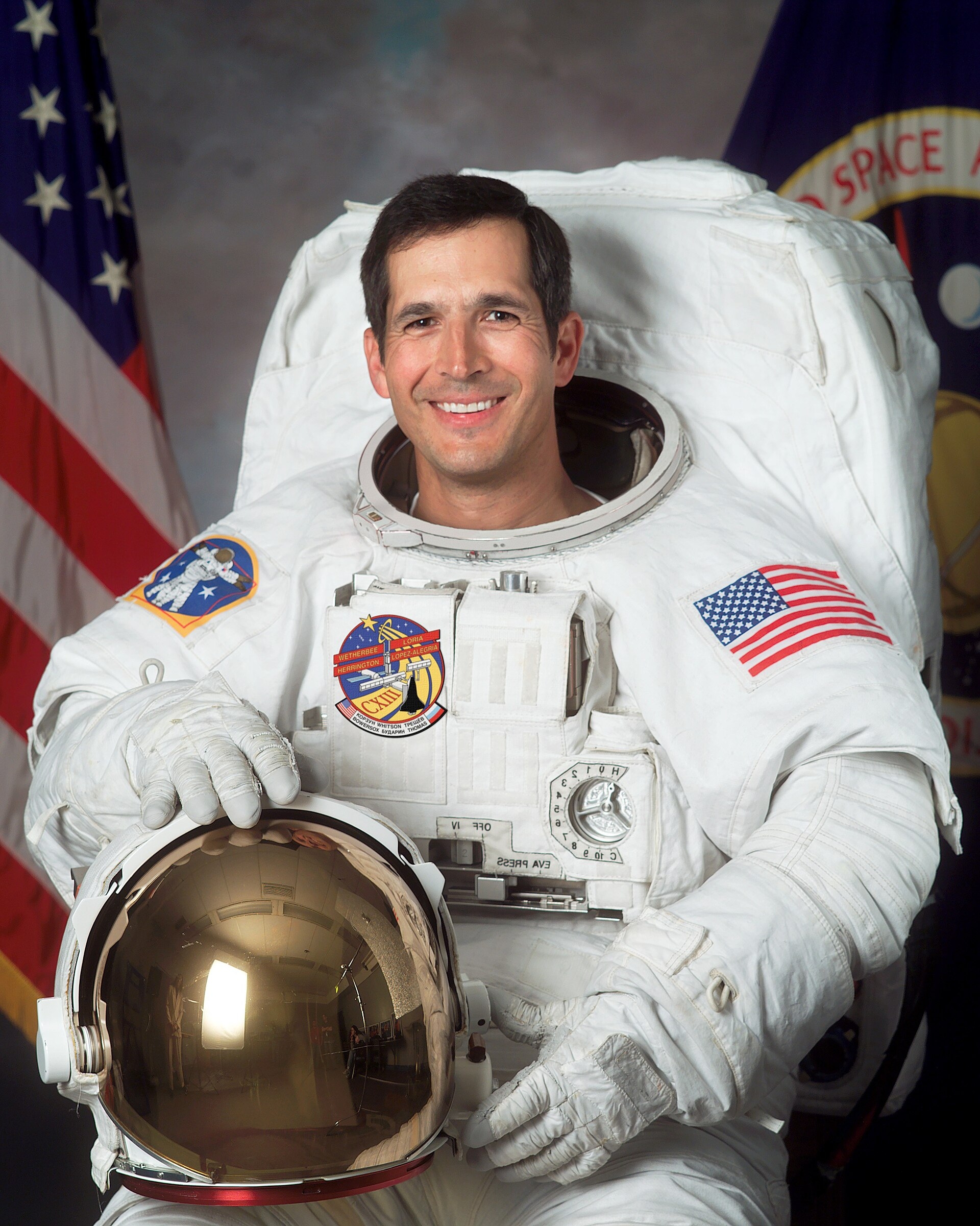 And the first Native person to travel in space visited students and other guests Wednesday at the Shoshone-Bannock Hotel and Event Center in Fort Hall, Idaho.
KIFI Local News 8 reports that John B. Herrington (citizen of the Chickasaw Nation of Oklahoma), discussed his three spacewalks and visit to the International Space Station in 2022. The Native astronaut has Idaho connections and graduated from Aviation Officer Candidate School in 1984, then joined the Astronaut Corps in 1996.
Herrington said he used to sit in a cardboard box and dream of going to the moon. He shared his story and took questions from Shoshone-Bannock students.
Get National Native News delivered to your inbox daily. Sign up for our daily newsletter today.
Download our NV1 Android or iOs App for breaking news alerts.
Check out today’s Native America Calling episode
Thursday, May 21, 2026 – Nevada’s mining boom and Winnebago Tribe’s NAGPRA victory