Podcast: Play in new window | Download | Embed
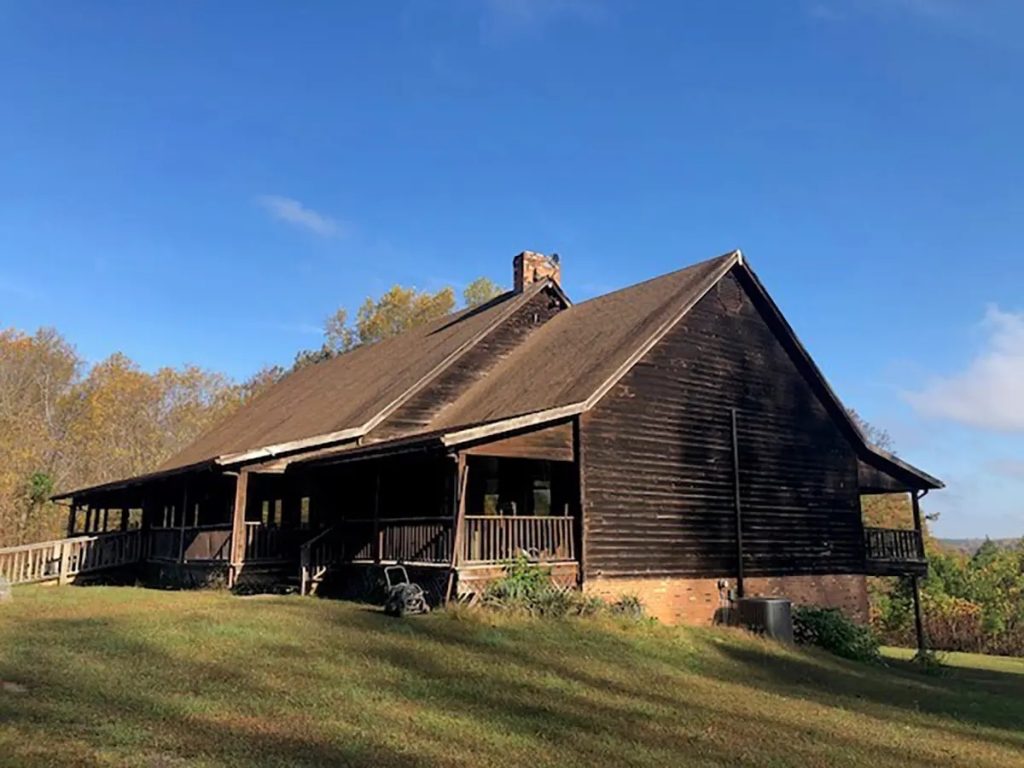
The Rappahannock Tribe in Virginia is taking another step toward energy independence with a new solar installation at its environmental education center.
Twenty-eight rooftop solar panels have been installed at the Rappahannock Lodge on Cat Point Creek, the tribe announced Monday.
The system can generate up to 12.32 kilowatts of electricity, helping reduce the facility’s energy costs.
The tribe says the installation has already produced nearly 2 megawatt-hours of electricity.
Saxon Metzger, CEO of the Native-owned company Polaris EcoSystems, says the project was designed to build the tribe’s capacity while creating a lasting resource for the community.
Metzger says he hopes the project inspires other tribal nations to pursue energy sovereignty and economic development.
Funding came through the Tribal Solar Accelerator Fund, with additional support from the Piedmont Environmental Council.
The project also supports the tribe’s environmental education efforts.
According to the U.S. Fish and Wildlife Service, the lodge was transferred to the Rappahannock Tribe in 2023.
The facility sits on the site of the tribe’s ancestral capital and serves as a center for Indigenous environmental education and conservation.
Tribal leaders say the new solar system will help them monitor energy production, reduce operating expenses, and plan future renewable energy projects.

(Courtesy Clara Pratte for Corporation Commission / Facebook)
No Native candidates had ever been elected to hold statewide office since the Arizona Territory turned into the Grand Canyon State in 1912, but as KJZZ’s Gabriel Pietrorazio reports, now there is an incoming Corporation Commissioner from the Navajo Nation.
“There’s not been a voice like mine in this type of office before and it’s very humbling.”
Corporation Commissioner-elect Clara Pratte (Navajo) is from Lupton, Arizona. She and fellow Democrat Jonathon Hill ran as a ticket for two open seats on the state’s top utility regulator. She says their victory reflects how affordability was top of mind for Arizona voters.
Pratte co-founded a Flagstaff-based public benefit corporation called Navajo Power. It focuses on developing renewable energy projects on tribal lands.
“They have really acted as the battery and the power generators for the state for a very long time, so it’s wonderful to have this level of representation, but it also comes with a lot of responsibility.”
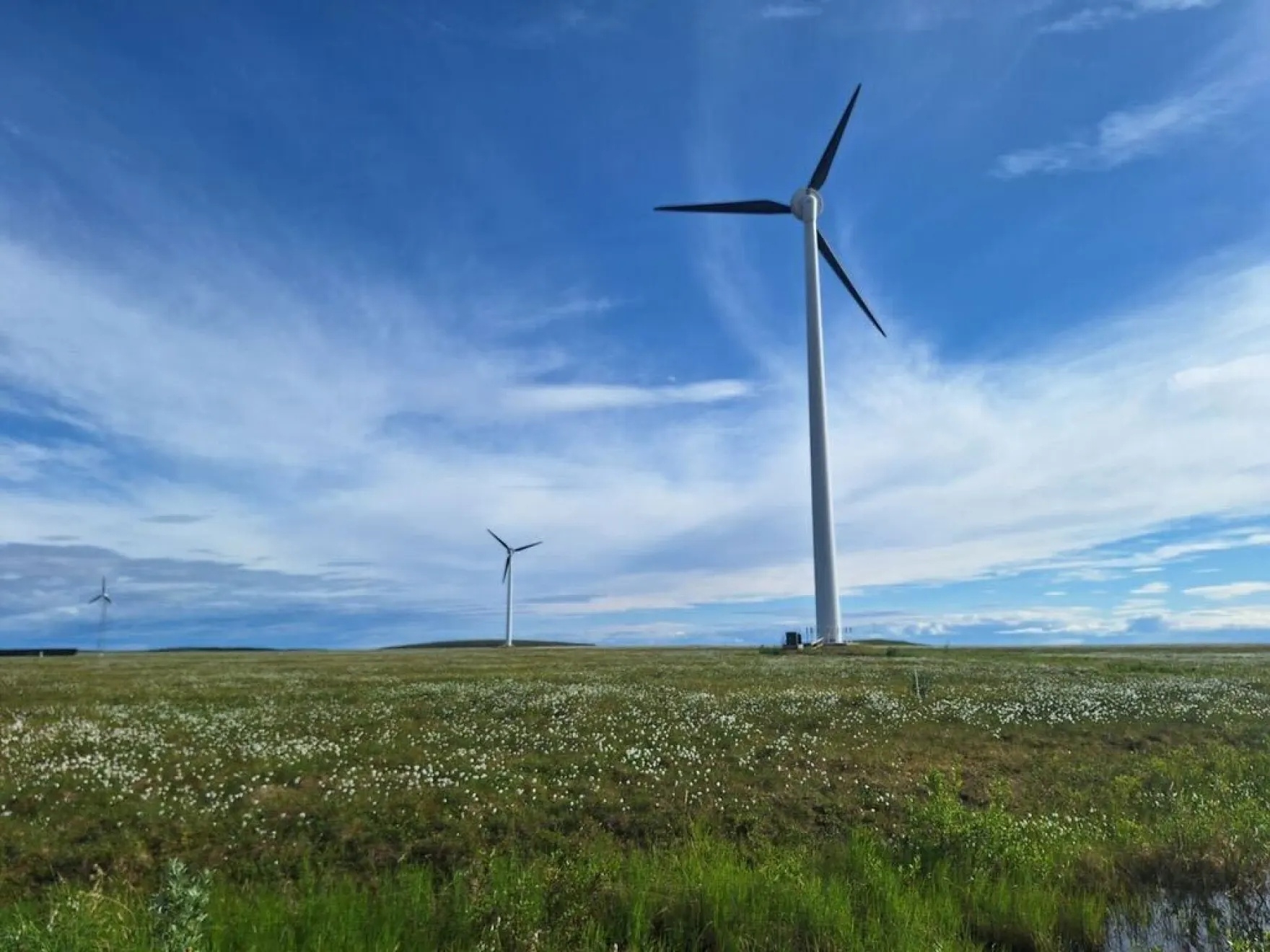
Kotzebue Wind Farm, July 13, 2024. (Photo: Chad Nordlum / Native Village of Kotzebue)
Rural Alaska communities are turning to renewable energy to reduce their reliance on expensive diesel fuel, as Mark Moran reports.
Residents in the most remote reaches of the state increasingly rely on microgrids to power homes and villages. In Alaska, microgrids stand alone to power entire communities, unlike in the lower 48 where small generators are interconnected.
Nearly 190 rural communities generate standalone power for about 80,000 residents, mostly through small diesel generators, but some are trying to cut back. The northwest Arctic village of Kotzebue now runs on 20% wind energy, according to Cady Lister, executive director of the Renewable Energy Alaska Project.
“That 20% for Kotzebue represents around 300,000 gallons of diesel annually that is displaced. For the community, that’s significant. At $6 a gallon, that’s $1.8 million that didn’t have to get spent on importing diesel.”
Diesel prices, already volatile due to unpredictable weather and challenging geography, are especially difficult amid America’s conflict in Iran. Deliveries by barge to Arctic communities occur only twice a year if waterways are not iceblocked.
With winter approaching, Lister says high fuel costs will drive up home heating bills.
“For a lot of households in rural Alaska this winter, looking forward at heating oil costs that are twice as much as they were, or potentially more than that even than they were last winter, there ought to be more emphasis on energy efficiency.”
While there are efforts toward sustainable energy statewide, Alaska’s largest population centers — including Anchorage, Fairbanks, and the Kenai Peninsula — get their power from the Railbelt grid, which generates about 80% of its electricity from natural gas.
Get National Native News delivered to your inbox daily. Sign up for our daily newsletter today.
Download our NV1 Android or iOs App for breaking news alerts.
Check out today’s Native America Calling episode
Tuesday, November 10, 2026 — Tribes united against controversial permitting reform bill



Leave a Reply