Podcast: Play in new window | Download | Embed
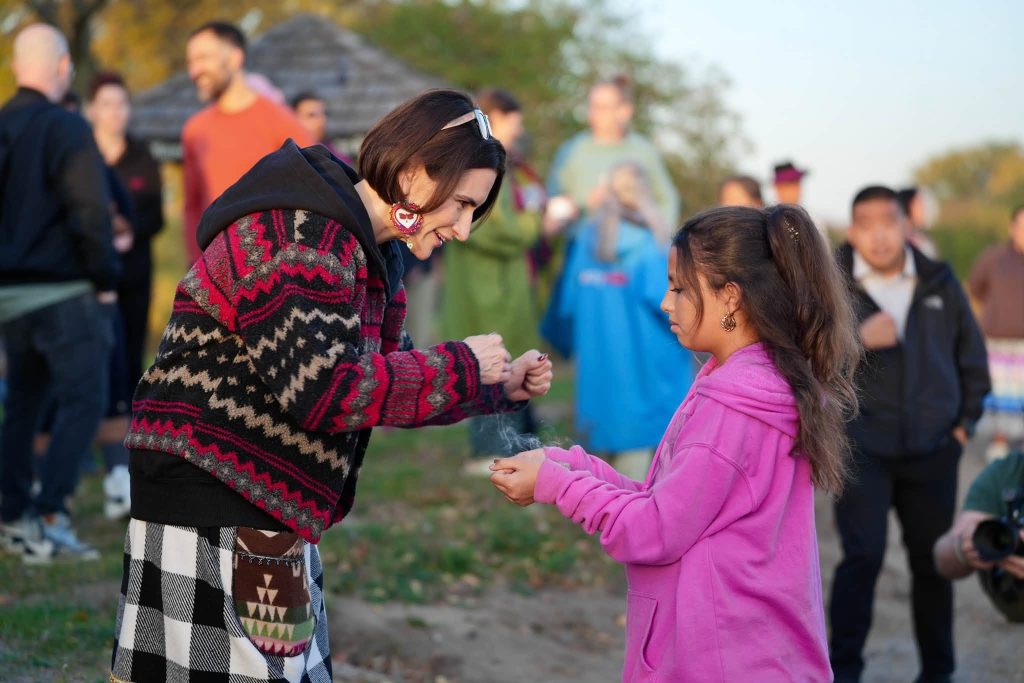
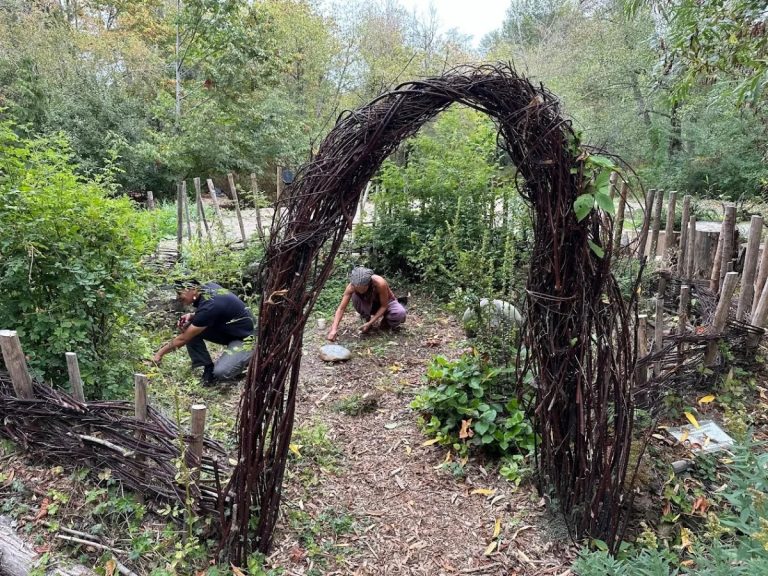
Photo: Volunteers remove weeds and debris from the Seven Generations Children’s Teaching Garden at the Daybreak Star Indian Cultural Center on September 10, 2026. (Brian Bull)
Volunteers come to Seattle’s Daybreak Star Indian Cultural Center throughout the year to tend to plants that are traditionally important to Native people.
Brian Bull (Nez Perce) of Underscore Native News and KLCC reports.
It is a balmy afternoon as a small group of volunteers follow Shameka Gagnier (Purépecha) down to a shed full of gardening equipment.
Plants, including tule, camas, huckleberries, and cedar, are found here, which have been either First Foods or materials for making traditional baskets, mats, and other items.
Gagnier is the land cultural steward manager for Daybreak Star. She says between two to 70 volunteers usually arrive, ready to connect with a vital part of Native culture.
“The plants are really the ones that are going to net us back to our place in the circle of things, and they’re the ones that are going to bring us back home. And so as we bring them back to their usual and accustomed territories, we understand our roles and that restoration is reciprocal, and something happens in our spirits and transforms us.”
Groundbreaking for the Daybreak Star Indian Cultural Center was 50 years ago, after a successful occupation by Native activists who had form the United Indians of All Tribes Foundation.
Facilities director Tony Monroe (Yakama) says, back then, this area was a federal military installation.
“This whole area was previously Fort Lawton, and this was clear cut, so there were no trees here 55 years ago, and so most all of these have been less than that time frame. especially in our forest garden area. Started out with the Bernie Whitebear Garden that has some native plants, and then it’s spread out to the whole 20 acres, and then now we have another area that’s called Wolf Tree Trail that Shameka is now taking care of and tending.”
Gagnier’s volunteers today include Beck Luke (Tlingit), who grew up in Seattle. She is on a six-week internship with the center.
“We’re just mostly helping restore the land, learning about food sovereignty and everything. It’s been really nice to reconnect with my culture and just seeing all the beautiful things. It’s been really special to be able to do that.”
Another volunteer, Zachary Pacleb, is skimming away a thick layer of duckweed from one of the ponds where at least one beaver is believed to inhabit.
“By the looks of it, I assume that it’s a little bit invasive or inhibitive of the beaver’s work or to the water quality. I can imagine that this plant requires –or is taking a lot of oxygen– from the water.”
The cultural garden tending happens year-round, with food and tools provided. Volunteers are advised to arrive with gloves, water, and a “good heart and mind.”
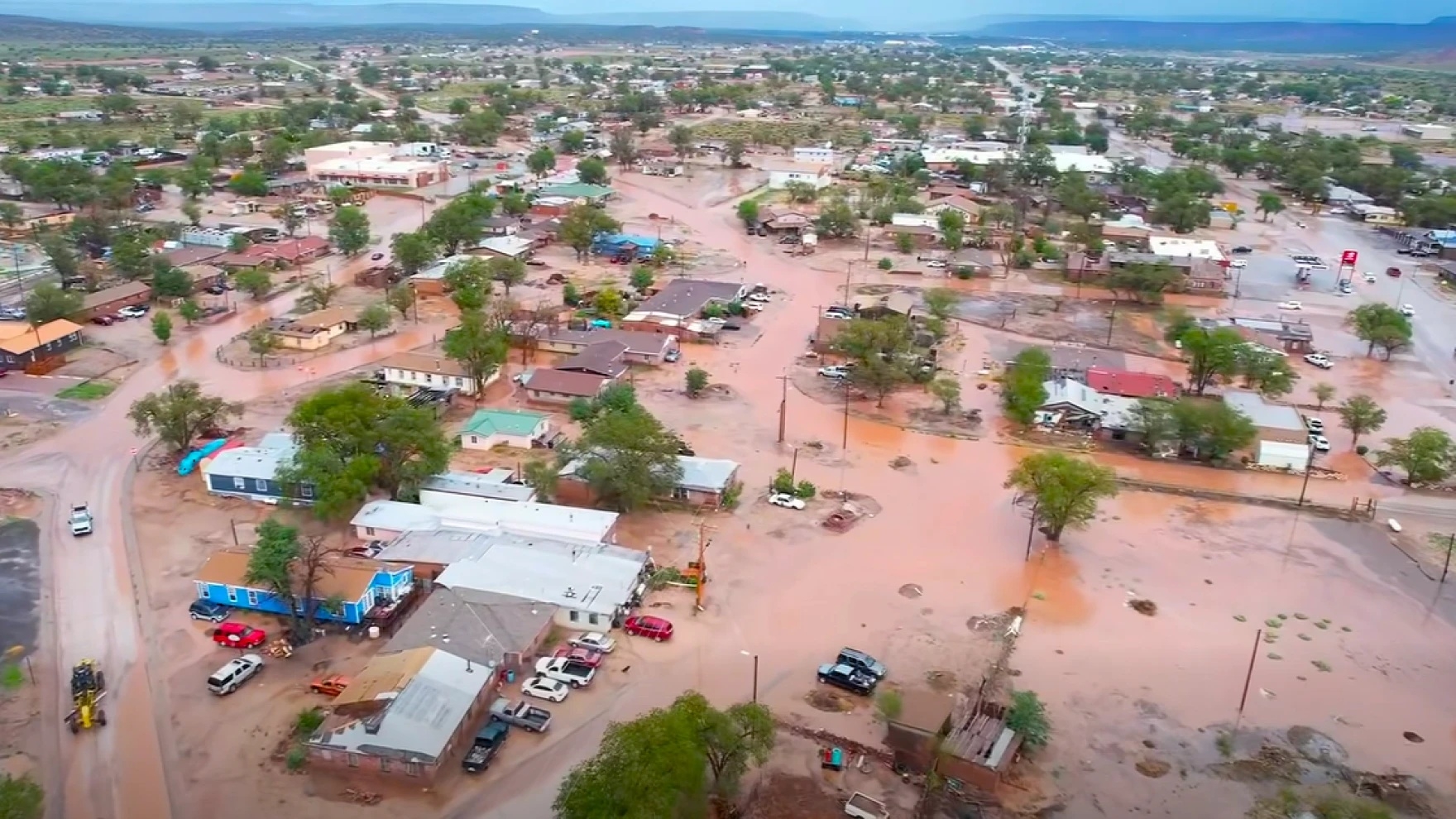
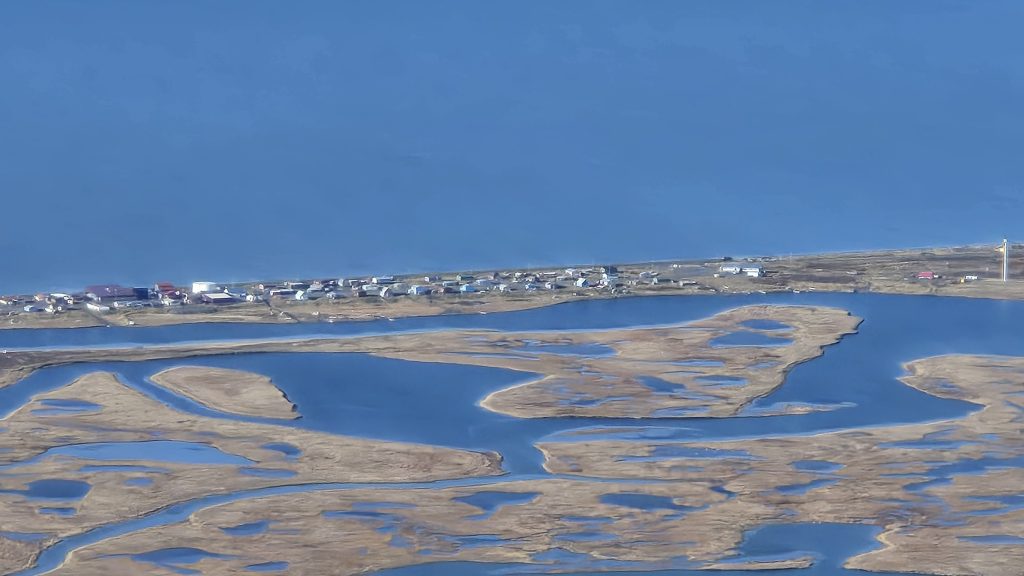
Screenshot from drone footage taken above the Pueblo of Zuni after flooding. (Courtesy Rochelle Malie)
A new report shows that natural disasters caused more than $4 billion in damages to tribal communities across the nation over a ten-year period, but there is a shortfall in economic support from the federal government to address these impacts.
KUNM’s Jeanette DeDios (Jicarilla Apache and Diné) has more.
The report by the Urban Institute found Indigenous communities are more exposed to hazards like hurricanes, wildfires, and flooding, and also face more systemic challenges. So disasters have a greater impact.
The research was funded by the U.S. Economic Development Administration and explores how tribes are currently handling natural disasters and what current federal resources are available.
Between 2014 and 2024, more than half of all Indigenous communities experienced two or more disasters within a two-year span. These back-to-back disasters make it difficult for communities to respond and recover efficiently.
“It could be another hurricane. It could be a wildfire. So when there are those kind of compounding or back-to-back disasters, it makes it really hard for any community, but especially for communities that have you know challenges around housing stock maintenance or challenges around lots of lower income households, it makes it really really hard to recover.”
Urban Institute research associate Will Curran-Groome says the Federal Emergency Management Agency has a program called Building Resilient Infrastructure just for tribal applicants, but losses often exceed FEMA funds, or tribes do not know how to access the resources available.
“So I think would really encourage tribes, if they haven’t already, to really assess the landscape and to start building some of those initial relationships with contacts of federal agencies.”
He says this is just one piece of a broader project.
The Institute hopes to build a community of practice with tribes facing these issues.
Get National Native News delivered to your inbox daily. Sign up for our daily newsletter today.
Download our NV1 Android or iOs App for breaking news alerts.
Check out today’s Native America Calling episode